Seattle Data Recovery Repairs and Restores Your SSDs
- Details
- Written by: Seattle Data Recovery
- Category: Seattle Data Recovery Repairs and Restores Your SSDs
- Hits: 1676
Ensuring Data Integrity with Advanced Firmware Management
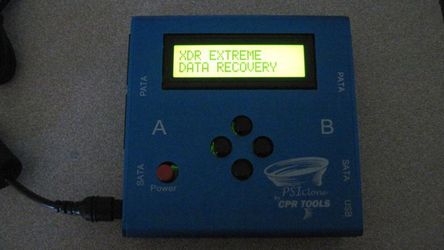
In today's data-driven world, enterprise storage solutions must operate at peak performance to support critical business functions. Whether it's cloud computing, large-scale virtualization, or vast data repositories, the integrity and functionality of SSDs are central to maintaining seamless operations. That's where Seattle Data Recovery's expertise in firmware repair becomes invaluable, especially when dealing with complex issues like firmware corruption on HPE Kioxia enterprise SSDs. Through state-of-the-art tools like PSIClone and CPR Flash from CPR Tools, Seattle Data Recovery provides a professional and reliable approach to firmware management and recovery, minimizing downtime and protecting vital data assets.
Firmware issues in enterprise SSDs can be devastating, often resulting in drive failure, data inaccessibility, or even total server crashes. By deploying innovative solutions like CPR Flash™ and leveraging their extensive firmware storage, Seattle Data Recovery helps organizations preempt these issues, ensuring stable, high-performance storage environments. This article examines how these tools function, their significance in firmware repair, and the role Seattle Data Recovery plays in ensuring enterprise storage reliability.
The Critical Role of Firmware in Enterprise SSDs
Firmware functions as the "operating system" of SSDs. It manages every aspect of drive operation, from data handling to error correction and communication with host systems. In enterprise SSDs such as those from HPE or Kioxia, firmware stability is paramount, as even minor bugs can cause significant disruptions. Firmware corruption occurs when these software instructions become damaged or inconsistent, often due to power failures, software conflicts, or aging hardware components.
When firmware becomes corrupted, the consequences can be severe. It may cause the SSD to become unresponsive or enter safe mode, drastically reducing performance or making it completely inaccessible. Such failures threaten not just data loss but also the overall stability of enterprise networks. Therefore, maintaining firmware integrity through timely updates and repairs is essential for organizations aiming to ensure reliable data storage solutions.
The Necessity of Firmware Repair in Data Center Environments
In mission-critical environments, firmware-related issues are more than mere inconveniences; they can bring entire business operations to a halt. For example, a failed firmware update or corruption of HPE Kioxia enterprise SSD firmware can lead to drive crashes, data inaccessibility, or RAID rebuild failures. These challenges can cascade, resulting in network outages, data loss, and prolonged downtime.
Addressing such issues promptly requires specialized tools and techniques. Firmware repair is often complex because it involves rewriting or restoring low-level software components embedded within the SSD. When software-based solutions fail, professional interventions—like those provided by Seattle Data Recovery—become necessary. Their expertise ensures that firmware repair is performed correctly, restoring drives to a healthy, operational state without risking further damage or data loss.
Read more: Seattle Data Recovery Uses CPR Tools to Perform Firmware Repairs on HPE Kioxia SSDs
- Details
- Written by: Seattle Data Recovery
- Category: Seattle Data Recovery Repairs and Restores Your SSDs
- Hits: 1581
Protecting Critical Infrastructure from Firmware Corruption
In today's enterprise environment, data storage devices such as SSDs are at the core of business operations. Among these, Dell Samsung enterprise SSDs are renowned for their performance, durability, and security, making them indispensable for many organizations. However, firmware corruption can pose a significant threat—leading to data loss, degraded performance, and even network-wide failures. To safeguard vital infrastructure, it is essential to implement effective firmware repair strategies. Seattle Data Recovery specializes in providing this vital service, leveraging tools like PSIClone, CPR Flash, and other advanced utilities to ensure the integrity and stability of your enterprise storage systems.
Firmware management is a complex but critical process that requires precision and expertise. The ability to update firmware reliably on Dell Samsung enterprise SSDs not only prevents potential failures but also enhances overall system longevity. In this comprehensive guide, we explore how firmware repair, driven by cutting-edge tools, can mitigate risks, optimize performance, and maintain the security of your enterprise network. Learn how Seattle Data Recovery's expertise ensures your data infrastructure remains resilient against firmware corruption and related threats.
Understanding Firmware and Its Significance in Enterprise SSDs
Firmware serves as the essential software layer embedded within SSDs, controlling hardware operations, managing data translation, and enforcing security protocols. In enterprise SSDs, such as Dell Samsung models, firmware accounts for not just operational efficiency but also ensures data integrity and security. Firmware issues—like bugs, security vulnerabilities, or corruption—often lead to device failures, data inaccessibility, and compromised network stability.
Proper firmware management is crucial! Failing to keep firmware updated or ignoring signs of corruption can result in significant consequences. For example, firmware bugs may cause data corruption or reduce the lifespan of drives, while security vulnerabilities might expose an enterprise to external threats. Therefore, maintaining up-to-date, verified firmware is a proactive approach to operational resilience and risk mitigation—highlighting the importance of professional firmware repair by trusted companies like Seattle Data Recovery.
The Threat of Firmware Corruption in Dell Samsung Enterprise SSDs
Firmware corruption in Dell Samsung enterprise SSDs may occur for many reasons, including power failures, software glitches, or malware attacks. Such corruption often manifests as drive failures, data inaccessibility, or drastic performance degradation. When firmware becomes corrupted, the drive may become "bricked"—rendered unusable and difficult to recover without specialized tools.
This severe impact extends beyond individual drives. Firmware issues can cascade into the entire network, causing system-wide instability. For organizations relying heavily on SSDs for hosting critical applications or storing sensitive data, the consequences include disrupted services, data breaches, and compromised security. Therefore, addressing firmware corruption promptly is vital to prevent operations from spiraling into costly downtime or data breaches.
- Details
- Written by: Seattle Data Recovery
- Category: Seattle Data Recovery Repairs and Restores Your SSDs
- Hits: 1508
The Critical Role of Firmware in Enterprise SSD Performance
In today's data-driven enterprise environments, solid-state drives (SSDs) serve as the backbone for high-speed data processing and storage solutions. Specifically, HPE enterprise SSDs are widely used due to their reliability, durability, and performance. However, like any complex technology, SSDs are susceptible to firmware corruption, which can lead to severe operational disruptions. Seattle Data Recovery specializes in addressing these critical issues by performing meticulous firmware repairs, thus ensuring your enterprise systems remain stable and reliable.
Firmware acts as the essential software interface between the hardware components of an SSD and your operating system. When firmware corruption occurs, it can manifest through intermittent reboots, data corruption, or complete drive failure. Recognizing these risks, Seattle Data Recovery utilizes cutting-edge tools, such as the PSIClone and CPR Flash from CPR Tools, to perform firmware updates and repairs efficiently. This proactive approach minimizes downtime, preserves data integrity, and ensures the stability of your network.
Understanding Firmware Corruption in HPE Enterprise SSDs
When firmware integrity is compromised in an HPE enterprise SSD, the consequences can be profound. Firmware corruption can cause the drive to reboot unpredictably, hang the system, or even lead to complete device failure. The impact is not limited to the SSD itself; it cascades across the entire network, hampering server performance and risking data loss.
One of the most critical issues associated with firmware corruption is the intermittent reboot cycle, which can make key operating system files inaccessible. Additionally, corrupted firmware may lead to data integrity issues, resulting in partial or complete data loss. In some cases, the drive becomes permanently unusable, necessitating costly hardware replacement and resulting in the loss of irretrievable data. Such failures do not just occur in isolation; they can degrade entire network operations, especially when part of a RAID array or hosting critical services.
How Firmware Corruption Affects Network Stability
The negative repercussions of firmware corruption extend beyond individual drives to the entire enterprise network. When multiple SSDs exhibit firmware issues, the risk of RAID volume failure increases significantly. This is particularly alarming because RAID arrays depend on multiple drives working together seamlessly; firmware corruption can cause rebuild failures, potentially destroying entire storage volumes.
A malfunctioning SSD can trigger system-wide disruptions. For example, if the affected drive hosts essential services, such as a file server, virtualization platform, or NAS, the entire network may experience outages. Servers may crash, leading to network service failures, and users will notice significant performance degradation. Consequently, network administrators face increased maintenance costs and extended downtimes while restoring affected systems.
Preventing these issues requires a proactive approach, particularly through the use of firmware updates that eliminate known bugs and vulnerabilities. This ensures that your enterprise remains resilient against firmware-related failures that could otherwise cause catastrophic outages.
Read more: Seattle Data Recovery’s Enterprise SSD Firmware Updates
- Details
- Written by: Seattle Data Recovery
- Category: Seattle Data Recovery Repairs and Restores Your SSDs
- Hits: 1480
The Critical Role of Firmware in SSD Performance and Reliability
Solid-state drives (SSDs) have become the cornerstone of modern data storage, offering unparalleled speed, durability, and energy efficiency. However, their performance hinges heavily on the integrity of their firmware—the embedded software that orchestrates the drive's operations. When firmware corruption occurs, the consequences can be severe, including data inaccessibility, system instability, and even complete drive failure. Recognizing the importance of proactive firmware management, Seattle Data Recovery has developed advanced methodologies, including the use of innovative tools such as PSIClone and CPR Flash, to perform firmware repairs on Western Digital SSDs and other brands.
Understanding how firmware corrupts and the steps to address it is essential for both individual users and enterprise environments. This article explores the intricacies of firmware issues, the tools available for firmware repair, and how Seattle Data Recovery leads the industry in providing reliable solutions for SSD firmware recovery and data restoration.
The Anatomy of SSD Firmware and Its Significance
Firmware acts as the instruction set that governs the core functions of an SSD, including reading, writing, wear leveling, and error correction. It resides in a dedicated chip within the drive, constantly communicating with the host system. Because firmware manages the drive's internal processes, any corruption or malfunction can lead to serious issues ranging from data inaccessibility to complete drive failure.
For Western Digital SSDs, firmware stability is particularly crucial, especially considering the wide range of models catering to both consumer and enterprise segments. Firmware issues can be triggered by various factors, such as power surges, firmware bugs, or incompatibility with system updates like Windows 11 24H2. Consequently, timely firmware repair becomes vital to maintaining the performance and longevity of SSDs.
Recognizing the Symptoms and Causes of Firmware Corruption
Slice through any underlying causes by understanding common symptoms indicative of firmware corruption. Users may experience their Western Digital SSD becoming suddenly unreadable, with data inaccessible despite the drive appearing functional in the system. Other signs include frequent drive malfunctions, system crashes, or the drive not being detected during boot processes.
Root causes of such issues often stem from firmware bugs, hardware incompatibilities, or improper shutdown procedures. For example, recent Windows updates, such as Windows 11 24H2, have caused firmware incompatibility in certain WD NVMe SSD models, resulting in severe stability issues and system crashes. Recognizing these symptoms early ensures that appropriate steps can be taken to mitigate data loss and facilitate proper firmware repair.
The Power of Advanced Tools: Introducing PSIClone and CPR Flash
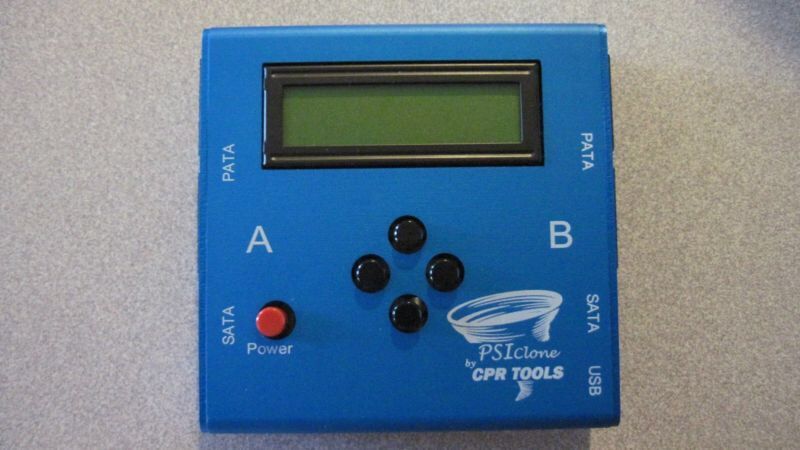
To address firmware corruption effectively, professionals leverage specialized tools—chief among them are PSIClone and CPR Flash from CPR Tools. PSIClone, renowned for its robust cloning capabilities, efficiently duplicates drives, ensuring data safety and enabling effective firmware repair. Complementing this is CPR Flash™, a utility designed specifically to update or flash the firmware of CPR Tools' devices, including the PSIClone.
CPR Flash™ is a pivotal utility integrated into the CPR Tools Utilities Suite. When used properly, it allows technicians to refresh or overwrite corrupted firmware on Western Digital SSDs, restoring their functionality. Its user-friendly interface, combined with its powerful features, makes it an essential tool for data recovery professionals seeking to perform firmware repair in a controlled and reliable manner.
- Details
- Written by: Seattle Data Recovery
- Category: Seattle Data Recovery Repairs and Restores Your SSDs
- Hits: 1473
Ensuring Data Integrity and System Reliability: Expert Firmware Repair for Enterprise SSDs in Seattle
In today's data-driven world, enterprise storage solutions are the backbone of organizational workflows. Critical data stored on SSDs within servers and network appliances must be accessible, reliable, and secure. However, firmware corruption in Dell Seagate enterprise SSDs can threaten these essential attributes, often leading to catastrophic system failures. Fortunately, surveillance and intervention options, such as Seattle Data Recovery services, combined with advanced tools like CPR Flash and PSIClone, enable effective firmware repair. This article examines how these technologies are revolutionizing enterprise SSD maintenance, ensuring system stability, preventing network outages, and protecting valuable data.
The Importance of Firmware in Enterprise SSDs
Firmware acts as the embedded software that governs the operations of an SSD. It manages data flow, error correction, wear leveling, and power management functionalities critical to the device's optimal functioning. For Dell Seagate enterprise SSDs, this firmware must operate flawlessly; any corruption can cause the drive to become unstable, inaccessible, or even completely unusable. This poses a significant risk to organizations, especially when data loss or system downtime impacts vital operations.
In enterprise environments, these issues can be grave. Firmware corruption might occur due to power failures, firmware bugs, or compatibility issues with other hardware or software updates. As such, maintaining firmware integrity is paramount. Regular firmware checks, updates from the manufacturer, and preventative measures help ensure the drive's reliable operation. However, when corruption does occur unexpectedly, organizations require expert intervention—this is where Seattle Data Recovery's specialized firmware repair services come into play.
The Risks and Consequences of Firmware Corruption in Enterprise SSDs
Firmware corruption in a Dell Seagate enterprise SSD can have extensive consequences beyond simple drive failure. First, data stored on the SSD becomes inaccessible, which can paralyze business operations, especially in data centers or critical applications. Data loss may be inevitable without skilled intervention, and attempting to recover data from a corrupted drive manually is often futile or riskier than necessary.
Network stability also hangs in the balance. When an SSD is fundamental to a network's storage infrastructure and malfunctions, it can cause cascading failures, including system crashes, network outages, and security vulnerabilities. For businesses relying on these drives for RAID configurations, shared storage pools, or cloud services, this freeze can result in costly downtime, potential compliance issues, and even security breaches. Therefore, addressing firmware corruption swiftly and efficiently becomes an essential component of enterprise IT management.