The Critical Role of Firmware in Enterprise SSD Performance
In today's data-driven enterprise environments, solid-state drives (SSDs) serve as the backbone for high-speed data processing and storage solutions. Specifically, HPE enterprise SSDs are widely used due to their reliability, durability, and performance. However, like any complex technology, SSDs are susceptible to firmware corruption, which can lead to severe operational disruptions. Seattle Data Recovery specializes in addressing these critical issues by performing meticulous firmware repairs, thus ensuring your enterprise systems remain stable and reliable.
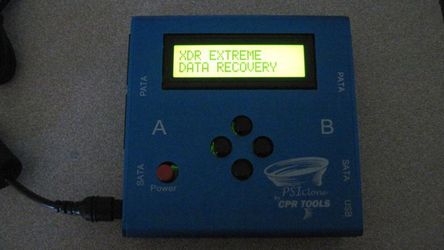
Firmware acts as the essential software interface between the hardware components of an SSD and your operating system. When firmware corruption occurs, it can manifest through intermittent reboots, data corruption, or complete drive failure. Recognizing these risks, Seattle Data Recovery utilizes cutting-edge tools, such as the PSIClone and CPR Flash from CPR Tools, to perform firmware updates and repairs efficiently. This proactive approach minimizes downtime, preserves data integrity, and ensures the stability of your network.
Understanding Firmware Corruption in HPE Enterprise SSDs
When firmware integrity is compromised in an HPE enterprise SSD, the consequences can be profound. Firmware corruption can cause the drive to reboot unpredictably, hang the system, or even lead to complete device failure. The impact is not limited to the SSD itself; it cascades across the entire network, hampering server performance and risking data loss.
One of the most critical issues associated with firmware corruption is the intermittent reboot cycle, which can make key operating system files inaccessible. Additionally, corrupted firmware may lead to data integrity issues, resulting in partial or complete data loss. In some cases, the drive becomes permanently unusable, necessitating costly hardware replacement and resulting in the loss of irretrievable data. Such failures do not just occur in isolation; they can degrade entire network operations, especially when part of a RAID array or hosting critical services.
How Firmware Corruption Affects Network Stability
The negative repercussions of firmware corruption extend beyond individual drives to the entire enterprise network. When multiple SSDs exhibit firmware issues, the risk of RAID volume failure increases significantly. This is particularly alarming because RAID arrays depend on multiple drives working together seamlessly; firmware corruption can cause rebuild failures, potentially destroying entire storage volumes.
A malfunctioning SSD can trigger system-wide disruptions. For example, if the affected drive hosts essential services, such as a file server, virtualization platform, or NAS, the entire network may experience outages. Servers may crash, leading to network service failures, and users will notice significant performance degradation. Consequently, network administrators face increased maintenance costs and extended downtimes while restoring affected systems.
Preventing these issues requires a proactive approach, particularly through the use of firmware updates that eliminate known bugs and vulnerabilities. This ensures that your enterprise remains resilient against firmware-related failures that could otherwise cause catastrophic outages.
The Importance of Firmware Updates for HPE Enterprise SSDs
Applying firmware updates to HPE enterprise SSDs might seem routine, but they are, in fact, critical for maintaining operational stability and data integrity. Firmware bugs related to time-based failures and reboot loops—some of which are well-documented by HPE—pose a significant threat to enterprise environments. Failure to address firmware corruption can lead to disastrous outcomes, including network crashes, data loss, and costly hardware replacements.
HPE has developed firmware updates designed explicitly to counteract these common bugs. These updates—such as HPD8 and HPD7—correct issues, including drive failures that occur after reaching specific power-on hours or reboot loops that arise after prolonged operation. In practical terms, installing these updates prevents the initial firmware failure, effectively filtering potential cascading failures. Therefore, adhering to recommended firmware refresh practices is an essential component of enterprise data management and disaster prevention.
How Seattle Data Recovery Executes Firmware Repair on HPE SSDs
Seattle Data Recovery leverages advanced diagnostic and repair tools—specifically, the PSIClone and CPR Flash from CPR Tools—to perform firmware repair on HPE enterprise SSDs. These tools enable technicians to efficiently update or re-flash firmware, restoring SSD stability and performance. The process begins by diagnosing the drive to evaluate the extent of firmware corruption, ensuring precise targeting during the update.
Using the CPR Flash utility, trained specialists execute firmware updates in a controlled, safe environment. This utility is part of the CPR Tools Utilities Suite, which supports a range of devices, including PSIClone, Hammer, SCSI Hammer, and Sledge Hammer. During the process, only one device should be connected via USB to prevent conflicts and ensure an accurate firmware flash. The approach is designed to minimize risks and maximize the likelihood of successful firmware repair, ultimately preventing potential data loss and network failures.
The Role of PSIClone and CPR Flash in Enterprise SSD Recovery
Within the framework of firmware repair, tools such as the PSIClone and CPR Flash play a crucial role. The PSIClone serves as a powerful data cloning and imaging device, allowing for precise duplication or backup of SSD data before conducting firmware updates. This precautionary step is crucial for ensuring data integrity in the event of unforeseen complications during the repair process.
On the other hand, CPR Flash is a utility that facilitates firmware updates or re-flashing directly onto the SSD's firmware. It was specifically created to update or flash the firmware of CPR Tools' devices, including PSIClone and related hardware. By incorporating CPR Flash into the firmware repair workflow, Seattle Data Recovery ensures that HPE enterprise SSDs receive reliable, up-to-date firmware, thereby preventing issues such as firmware corruption or failed reboots.
The Process: Updating Firmware with CPR Flash and Ensuring Data Preservation
Executing a firmware update on an HPE enterprise SSD using CPR Flash involves several carefully orchestrated steps. First, cybersecurity and data transfer protocols guarantee that the drive's data is backed up or cloned using tools like PSIClone, minimizing risk. Once the data is secured, the device to be updated is connected via USB to a host PC that runs the CPR Flash utility.
The software interface presents an intuitive main screen that allows technicians to select the appropriate firmware version. During this process, only one device should be attached to prevent errors. The update operation then proceeds seamlessly, replacing the old firmware with the latest stable version. After the process completes, the drive undergoes a series of tests to ensure firmware integrity and drive stability. This methodical approach ensures that the firmware repair is both effective and safe, preventing any further episodes of firmware corruption.
Why Timely Firmware Updates Are Essential for Enterprise SSD Reliability
Timeliness is paramount when it comes to firmware updates for HPE enterprise SSDs. Failing to stay current with firmware releases exposes drives to known vulnerabilities and bugs, such as overflows, reboot loops, or failure after specific operational hours. Ultimately, these bugs can lead to drive failures, data loss, and network downtime, which can impact overall business productivity.
Proactively updating firmware prevents these issues before they escalate into costly outages. For organizations with large-scale storage environments, implementing a routine firmware check—supported by tools like CPR Flash—significantly enhances system stability. Staying ahead of firmware vulnerabilities demonstrates a commitment to data integrity and enterprise resilience, protecting valuable assets and maintaining customer trust.
The Benefits of Partnering with Seattle Data Recovery for Firmware Repair
Seattle Data Recovery combines expert knowledge, specialized tools, and a relentless commitment to excellence in enterprise SSD maintenance. Their use of CPR Flash and PSIClone enables precise and reliable firmware updates, thereby reducing the risk of further firmware corruption or data loss. Furthermore, their team's deep understanding of HPE enterprise SSDs ensures that each repair adheres to the highest standards of safety and quality.
Partnering with Seattle Data Recovery offers considerable advantages, including minimized downtime, extended SSD lifespan, and enhanced network stability. Their technicians meticulously evaluate each drive's condition, perform preventive firmware repairs, and verify the integrity of the restored firmware before returning the device. Enterprises operating mission-critical systems benefit from their proactive approach, ensuring continuous data availability and operational excellence.
Safeguarding Enterprise Data Through Firmware Maintenance
In summary, maintaining the firmware health of HPE enterprise SSDs is essential for uninterrupted enterprise operations and network stability. Firmware corruption can induce severe issues—from system crashes to complete data loss—that ripple across entire networks, impacting every service and application. Tools like PSIClone and CPR Flash from CPR Tools empower organizations like Seattle Data Recovery to perform enterprise-grade firmware repairs efficiently and safely.
By implementing regular firmware updates and leveraging advanced diagnostic utilities, enterprises can preemptively mitigate risks associated with firmware bugs, including critical failures that lead to network outages. Ultimately, proactive firmware management is a vital investment in safeguarding your data assets, ensuring server resilience, and maintaining operational continuity. Seattle Data Recovery remains a trusted partner in delivering these essential services, helping your enterprise stay resilient in an increasingly digital landscape.
This comprehensive guide underscores the importance of firmware maintenance in enterprise SSD reliability. For tailored solutions, contact Seattle Data Recovery to discuss your specific needs and technical challenges related to HPE enterprise SSDs and firmware repair.