Protecting Critical Infrastructure from Firmware Corruption
In today's enterprise environment, data storage devices such as SSDs are at the core of business operations. Among these, Dell Samsung enterprise SSDs are renowned for their performance, durability, and security, making them indispensable for many organizations. However, firmware corruption can pose a significant threat—leading to data loss, degraded performance, and even network-wide failures. To safeguard vital infrastructure, it is essential to implement effective firmware repair strategies. Seattle Data Recovery specializes in providing this vital service, leveraging tools like PSIClone, CPR Flash, and other advanced utilities to ensure the integrity and stability of your enterprise storage systems.
Firmware management is a complex but critical process that requires precision and expertise. The ability to update firmware reliably on Dell Samsung enterprise SSDs not only prevents potential failures but also enhances overall system longevity. In this comprehensive guide, we explore how firmware repair, driven by cutting-edge tools, can mitigate risks, optimize performance, and maintain the security of your enterprise network. Learn how Seattle Data Recovery's expertise ensures your data infrastructure remains resilient against firmware corruption and related threats.
Understanding Firmware and Its Significance in Enterprise SSDs
Firmware serves as the essential software layer embedded within SSDs, controlling hardware operations, managing data translation, and enforcing security protocols. In enterprise SSDs, such as Dell Samsung models, firmware accounts for not just operational efficiency but also ensures data integrity and security. Firmware issues—like bugs, security vulnerabilities, or corruption—often lead to device failures, data inaccessibility, and compromised network stability.
Proper firmware management is crucial! Failing to keep firmware updated or ignoring signs of corruption can result in significant consequences. For example, firmware bugs may cause data corruption or reduce the lifespan of drives, while security vulnerabilities might expose an enterprise to external threats. Therefore, maintaining up-to-date, verified firmware is a proactive approach to operational resilience and risk mitigation—highlighting the importance of professional firmware repair by trusted companies like Seattle Data Recovery.
The Threat of Firmware Corruption in Dell Samsung Enterprise SSDs
Firmware corruption in Dell Samsung enterprise SSDs may occur for many reasons, including power failures, software glitches, or malware attacks. Such corruption often manifests as drive failures, data inaccessibility, or drastic performance degradation. When firmware becomes corrupted, the drive may become "bricked"—rendered unusable and difficult to recover without specialized tools.
This severe impact extends beyond individual drives. Firmware issues can cascade into the entire network, causing system-wide instability. For organizations relying heavily on SSDs for hosting critical applications or storing sensitive data, the consequences include disrupted services, data breaches, and compromised security. Therefore, addressing firmware corruption promptly is vital to prevent operations from spiraling into costly downtime or data breaches.
The Power of CPR Flash and PSIClone in Firmware Repair
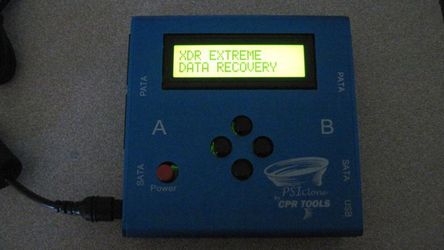
Seattle Data Recovery utilizes advanced tools, including CPR Flash and PSIClone, to efficiently perform firmware repairs on Dell and Samsung enterprise SSDs. CPR Flash™, developed by CPR Tools, is a specialized utility designed for flashing and updating firmware on CPR Tools' devices, including the PSIClone, Hammer, and SCSI Hammer series. This utility simplifies the firmware update process, ensuring that devices operate with the latest and most stable firmware versions.
PSIClone serves as a high-precision tool for imaging and restoring data, crucial in scenarios where firmware corruption has led to data loss. Together, these tools enable technicians to perform meticulous hardware-level firmware repairs, preserving data integrity and restoring device functionality with minimal downtime. Importantly, Seattle Data Recovery ensures that firmware updates via CPR Flash are conducted in controlled environments to prevent further corruption and guarantee compatibility with Dell Samsung enterprise SSDs.
How Seattle Data Recovery Implements Firmware Repair with CPR Tools
Implementing firmware repair in an enterprise environment requires meticulous planning and technical expertise. Seattle Data Recovery follows a structured process to ensure successful firmware repair on Dell Samsung SSDs. Initially, the drive undergoes a comprehensive diagnostic to assess the extent of firmware corruption and identify potential hardware issues.
Once the diagnosis confirms firmware issues, the team employs CPR Tools' utilities such as CPR Flash to upload stable firmware versions onto the affected SSD. During this process, only one device is connected via USB to maintain control and prevent additional risks. The process involves carefully selecting the appropriate firmware version compatible with the specific SSD model to avoid incompatibilities that could worsen the issue. The result is a fully restored drive that functions reliably, with data secured and performance optimized.
Preventing Network Disruptions Through Firmware Updates
One of the most compelling reasons for enterprise organizations to invest in regular firmware updates and repairs is the prevention of network disruptions. Dell Samsung enterprise SSDs form the backbone of critical servers and storage arrays, where any failure can ripple across the entire network infrastructure. For instance, corrupted firmware can cause drives to behave unpredictably, resulting in server crashes, application failures, and data inconsistency.
By leveraging tools like CPR Flash for firmware updates, organizations can proactively address known vulnerabilities and bugs that might lead to drive failures. Regular firmware repair sessions help maintain system stability, improve performance metrics, and mitigate the risk of costly outages. Ultimately, routine firmware management not only preserves the integrity of individual SSDs but also safeguards the entire network from cascading failures.
The Consequences of Firmware Corruption on Data Integrity and Security
Firmware corruption has far-reaching implications for data integrity and security in enterprise systems. When firmware becomes compromised, the translation layer, which maps logical blocks to physical memory, may fail, rendering data inaccessible or corrupting files. In some instances, firmware bugs or malware can even encrypt or destroy data, resulting in permanent loss and jeopardizing an organization's compliance requirements.
Security threats associated with firmware corruption are particularly alarming. Malicious firmware modifications can create backdoors that bypass conventional security measures, enabling attackers to extract sensitive data or implant persistent malware. For example, vulnerabilities like Dell's ReVault highlight how firmware-level exploits can undermine enterprise security frameworks. Thus, addressing firmware corruption through reliable firmware repair becomes essential not just for operational continuity but also for defending against cyber threats.
How Firmware Repair Enhances Performance and Longevity of SSDs
Beyond safeguarding data and security, firmware repair has a significant impact on the performance and lifespan of Dell Samsung enterprise SSDs. Firmware updates typically include bug fixes and optimizations that improve drive stability and efficiency. For example, fixing wear-leveling algorithms can prevent uneven memory cell wear, extending the drive's usable life.
Firmware repair resolves issues that cause sluggish performance or unpredictable failures. This stabilization results in quicker data access, reduced latency, and overall smoother operation for enterprise workloads. Consequently, organizations benefit from fewer hardware replacements, lower maintenance costs, and enhanced overall productivity—a compelling incentive for regular firmware repair and update procedures.
The Strategic Importance of Routine Firmware Management for Enterprises
In enterprise environments, routine firmware management is not merely a best practice but a strategic necessity. Regular firmware updates and repairs minimize the risk of unplanned outages, data corruption, and cyber attacks. Recognizing this, Seattle Data Recovery emphasizes proactive maintenance, combining expertise with state-of-the-art tools, such as PSIClone and CPR Flash, to keep SSDs operating optimally.
Fast response times and expert diagnostics ensure that potential issues are addressed before they escalate into critical failures. Implementing a firmware management protocol helps organizations stay compliant with industry standards, protect sensitive data, and maintain overall system resilience. Ultimately, strategic firmware management underpins operational excellence in a competitive digital landscape.
The Advantages of Partnering with Seattle Data Recovery
Partnering with Seattle Data Recovery provides enterprises with confidence and peace of mind. Their team of skilled technicians specializes in firmware repair, utilizing tools such as PSIClone and CPR Flash to deliver precise, reliable results. Their expertise extends to managing complex Dell Samsung enterprise SSDs, ensuring data integrity, and minimizing operational disruptions.
Seattle Data Recovery's commitment to quality means that firmware updates and repairs are executed with meticulous care, adhering to best practices and safety protocols. Their proactive approach ensures that your critical storage infrastructure remains stable, secure, and optimized, enabling your organization to focus on core business objectives without worry of firmware-related vulnerabilities.
The Future of Firmware Repair: Emerging Technologies and Best Practices
As enterprise storage advances, so do the tools and methods for firmware repair. Innovations such as machine learning algorithms for diagnostics and automated firmware verification are on the horizon, promising further to enhance the precision and speed of firmware management. Tools like CPR Flash are continually being improved to handle more complex firmware structures and vulnerabilities.
Best practices from industry leaders, including regular firmware assessments and integrating firmware management into overall cybersecurity strategies, will become standard. For organizations, adopting these emerging technologies and protocols will be crucial for maintaining resilient and secure storage environments. Seattle Data Recovery remains at the forefront of these developments, ensuring that its clients benefit from the latest advancements in firmware repair technology.
Fortifying Your Enterprise's Future with Expert Firmware Repair Solutions
In an era where data integrity and system uptime are paramount, effective firmware repair for Dell Samsung enterprise SSDs is a strategic imperative. By leveraging advanced tools like PSIClone and CPR Flash, Seattle Data Recovery offers tailored solutions that mitigate firmware corruption risks, enhance performance, and strengthen security across enterprise networks.
The complex nature of firmware issues demands expert intervention. With their comprehensive approach, Seattle Data Recovery ensures that your critical data infrastructure remains resilient against evolving threats and technical challenges. Investing in proactive firmware management today guarantees reliable, secure, and efficient operations tomorrow—an essential step toward future-proofing your enterprise infrastructure.