Ensuring Data Integrity with Advanced Firmware Management
In today's data-driven world, enterprise storage solutions must operate at peak performance to support critical business functions. Whether it's cloud computing, large-scale virtualization, or vast data repositories, the integrity and functionality of SSDs are central to maintaining seamless operations. That's where Seattle Data Recovery's expertise in firmware repair becomes invaluable, especially when dealing with complex issues like firmware corruption on HPE Kioxia enterprise SSDs. Through state-of-the-art tools like PSIClone and CPR Flash from CPR Tools, Seattle Data Recovery provides a professional and reliable approach to firmware management and recovery, minimizing downtime and protecting vital data assets.
Firmware issues in enterprise SSDs can be devastating, often resulting in drive failure, data inaccessibility, or even total server crashes. By deploying innovative solutions like CPR Flash™ and leveraging their extensive firmware storage, Seattle Data Recovery helps organizations preempt these issues, ensuring stable, high-performance storage environments. This article examines how these tools function, their significance in firmware repair, and the role Seattle Data Recovery plays in ensuring enterprise storage reliability.
The Critical Role of Firmware in Enterprise SSDs
Firmware functions as the "operating system" of SSDs. It manages every aspect of drive operation, from data handling to error correction and communication with host systems. In enterprise SSDs such as those from HPE or Kioxia, firmware stability is paramount, as even minor bugs can cause significant disruptions. Firmware corruption occurs when these software instructions become damaged or inconsistent, often due to power failures, software conflicts, or aging hardware components.
When firmware becomes corrupted, the consequences can be severe. It may cause the SSD to become unresponsive or enter safe mode, drastically reducing performance or making it completely inaccessible. Such failures threaten not just data loss but also the overall stability of enterprise networks. Therefore, maintaining firmware integrity through timely updates and repairs is essential for organizations aiming to ensure reliable data storage solutions.
The Necessity of Firmware Repair in Data Center Environments
In mission-critical environments, firmware-related issues are more than mere inconveniences; they can bring entire business operations to a halt. For example, a failed firmware update or corruption of HPE Kioxia enterprise SSD firmware can lead to drive crashes, data inaccessibility, or RAID rebuild failures. These challenges can cascade, resulting in network outages, data loss, and prolonged downtime.
Addressing such issues promptly requires specialized tools and techniques. Firmware repair is often complex because it involves rewriting or restoring low-level software components embedded within the SSD. When software-based solutions fail, professional interventions—like those provided by Seattle Data Recovery—become necessary. Their expertise ensures that firmware repair is performed correctly, restoring drives to a healthy, operational state without risking further damage or data loss.
Introducing CPR Tools—The Future of Firmware Management
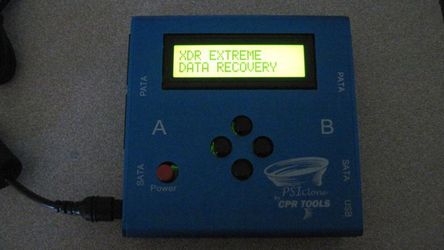
CPR Tools has revolutionized how professionals approach firmware management and repair for enterprise SSDs. Their suite of utilities, including PSIClone, CPR Flash™, and other specialized devices like SCSI Hammer™ and Sledge Hammer™, empower technicians to perform firmware updates, backups, and recovery procedures with precision. These tools are especially vital when dealing with firmware corruption that prevents standard software solutions from being effective.
Among these tools, CPR Flash™ stands out as an especially valuable utility. It is designed to flash or update firmware directly on CPR Tools' devices and enterprise SSDs, such as HPE Kioxia drives. Their versatility supports a wide range of tasks, from firmware replacement to troubleshooting corrupted firmware, ensuring that technicians have the right tools for every enterprise challenge. Seattle Data Recovery's use of CPR Tools' advanced utilities exemplifies their dedication to providing sophisticated, professional firmware repair solutions.
Understanding CPR Flash™—A Key to Firmware Repair
CPR Flash™ is a utility developed to update and flash firmware for CPR Tools' devices, including PSIClone and SCSI Hammer. This utility is integrated into the CPR Tools Utilities Suite, which is shipped alongside their hardware devices. It provides a user-friendly interface for technicians, simplifying the complex process of firmware updates and repairs.
The installation of CPR Flash™ is straightforward, and it's designed to function seamlessly during firmware updates. With only one CPR Tools device connected via USB during operation, the process remains efficient and secure. Its active management capabilities enable professionals like Seattle Data Recovery to perform firmware repairs on enterprise SSDs with precision, effectively resolving firmware corruption issues that could otherwise lead to drive failure and data loss.
Performing Firmware Updates Using CPR Flash™
Updating firmware with CPR Flash™ is a critical step in maintaining the longevity and reliability of HPE Kioxia enterprise SSDs. Once the utility is launched, the process involves connecting the targeted device to a host PC via USB and selecting the appropriate firmware update files. During the update, it is crucial to ensure that only one device is attached, as simultaneous connections can interfere with the process.
Seattle Data Recovery emphasizes following proper procedures to avoid complications such as firmware corruption or device bricking. When executed correctly, firmware updates through CPR Flash™ can fix bugs, improve stability, and extend SSD lifespan. As firmware issues are often at the root of drive failures, timely updates serve as preventative maintenance, safeguarding enterprise data centers from the risks associated with firmware corruption.
Impact of Firmware Corruption on HPE Kioxia Enterprise SSDs
Firmware corruption in enterprise SSDs manifests in multiple damaging ways. For HPE Kioxia drives, this can result in total drive failure, data inaccessibility, or unpredictable reboots—each posing a significant threat to business continuity. When firmware becomes compromised, drives may log false SMART faults, leading to performance degradation, or worse, the entire drive may brick and become unusable.
In shared environments, such as RAID arrays, a single SSD with corrupted firmware can cause a cascade of failures. Rebuilding efforts may repeatedly fail if the firmware cannot be repaired properly, eventually leading to data loss and extended downtime. Timely firmware repair by professionals, such as Seattle Data Recovery, ensures these issues are addressed before they escalate into more significant problems affecting entire networks.
How Firmware Corruption Can Wreak Havoc on Network Stability
Enterprise environments rely heavily on storage arrays and RAID configurations, making the firmware stability of SSDs more critical than ever. Firmware corruption in drives, such as Kioxia and HPE SSDs, can cause multiple network-related issues. For instance, when firmware bugs induce a drive to enter safe mode, I/O performance drops sharply, affecting applications such as databases or virtual machines.
In addition, server lockups often follow degraded drive performance, and these can have ripple effects throughout the network. In high-availability data centers, such issues can cause cascading failures, resulting in widespread network outages. Therefore, proactive firmware management, including updates and repairs using CPR Flash™, becomes essential to preventing network disruptions caused by firmware corruption.
Real-World Firmware Failures and Resolutions
Theoretical knowledge is essential, but real-world examples provide concrete insights into the importance of firmware repair. For instance, Kioxia RM5 SSDs in HPE environments have experienced false failure conditions due to early firmware versions. These drives would enter performance-degrading safe mode, creating instability within the network. Prompt firmware updates from HPE and Kioxia prevented further issues and restored reliability.
Firmware bugs have caused Dell PowerEdge servers with Kioxia CM6 drives to crash during firmware updates due to PCIe errors. In response, Dell released firmware updates that improved timeout handling, reducing recurring failures. These examples underscore the importance of ongoing firmware maintenance, which Seattle Data Recovery facilitates through proactive firmware repair services, utilizing tools such as PSIClone and CPR Flash.
Best Practices for Firmware Management and Recovery
To prevent severe problems stemming from firmware corruption, organizations should adopt robust firmware management practices. First, keeping firmware updated regularly according to vendor advisories minimizes the risk of vulnerabilities. Second, integrating firmware backup procedures ensures that a known good configuration can be restored if needed. In cases of failure, professional services from Seattle Data Recovery become vital.
In scenarios where firmware is severely corrupted or the drive is unresponsive, specialized tools like PSIClone and CPR Flash should be employed. These utilities enable low-level firmware repair, allowing drives to be restored or reflashed without risking data loss. Their use ensures that enterprises can recover from firmware-related issues swiftly, preventing costly downtime and data loss.
The Imperative of Professional Firmware Repair in Enterprise Environments
While firmware updates can often be performed safely by in-house IT teams, complex cases of firmware corruption and failure require the expertise of professionals. Seattle Data Recovery specializes in these critical procedures, employing advanced tools like CPR Flash and PSIClone to repair and restore enterprise SSDs, including the critical HPE Kioxia models.
Their approach involves careful diagnostics, precise firmware re-flashing, and data preservation strategies. This ensures that even severely affected drives can be recovered efficiently, safeguarding enterprise data assets and maintaining system integrity. Investing in professional firmware repair services ultimately translates into reduced downtime, minimized risk, and extended hardware lifespans.
Safeguarding Enterprise Data Storage Through Expert Firmware Management
In conclusion, effective management and repair of SSD firmware are paramount for maintaining enterprise storage reliability. Firmware corruption on drives, such as HPE Kioxia SSDs, can lead to drive failure, data loss, and network disruptions—threats that can significantly impact business operations. Seattle Data Recovery's deployment of CPR Tools, including CPR Flash and PSIClone, exemplifies a professional approach to firmware repair, ensuring that enterprise storage systems remain resilient and reliable.
By adhering to best practices in firmware updates and engaging expert services when necessary, organizations can prevent hardware failures and maintain a smooth-running network. As enterprise storage needs continue to grow, so does the importance of proactive firmware management, which ultimately preserves data integrity and operational continuity.