Firmware Repair in Enterprise Storage
In today's fast-paced digital landscape, enterprise data storage solutions must operate at peak efficiency and security. Failure to maintain the firmware of SSDs can lead to catastrophic consequences, including data corruption, system crashes, and security vulnerabilities. Recognizing this, Seattle Data Recovery specializes in firmware repair, particularly for Dell Kioxia enterprise SSDs, leveraging advanced tools like PSIClone and CPR Flash. Their expertise ensures clients' critical storage hardware remains robust, secure, and optimal.
Firmware is the internal software embedded within SSDs that controls data management, read/write functions, and security features. When it becomes corrupted, the impact can be profound, affecting entire networks and jeopardizing sensitive data. This makes timely firmware updates and repairs not just a maintenance task but a vital component of enterprise data security. Seattle Data Recovery's proactive approach, utilizing the latest CPR Tools technologies, exemplifies how professional firmware repair can safeguard organizational infrastructure.
The Critical Role of Firmware in Enterprise SSDs
Enterprise SSDs are designed for high performance, reliability, and security, with firmware at their core. The firmware acts as the internal operating system, managing how data is stored, retrieved, and encrypted. In the case of Dell Kioxia enterprise SSDs, firmware issues can quickly escalate into severe problems, including system stalls, data corruption, or even network breaches.
When firmware becomes corrupted—whether through bugs, system updates, or malicious attacks—the risks increase exponentially. Corrupted firmware can cause drives to become undetectable, produce read/write errors, and even enable vulnerabilities that malicious actors could exploit. For enterprises, this risk translates into potential downtime, data breaches, and operational disruptions. Therefore, firmware repair is fundamental to maintaining the integrity and stability of storage systems, and Seattle Data Recovery remains at the forefront of this essential service.
The Power of CPR Flash: Streamlined Firmware Updates
CPR Flash™ is an innovative utility developed by CPR Tools designed specifically for updating and flashing firmware on their suite of devices—such as PSIClone, Hammer, SCSI Hammer, and Sledge Hammer. This powerful tool supports enterprise SSDs, including Dell and Kioxia models, enabling technicians to perform precise and reliable firmware updates seamlessly.
Installing CPR Flash™ is straightforward; it comes bundled within the CPR Tools Utilities Suite, which is shipped with CPR's advanced hardware devices. Once installed, users can initiate firmware updates through a user-friendly interface, ensuring that each process is executed correctly and securely. This not only minimizes the risk of errors but also accelerates the firmware repair process, ensuring that enterprise storage solutions are rapidly restored to optimal performance.
CPR Flash™ facilitates firmware flashing in controlled environments, reducing the likelihood of system conflicts or corrupted updates. By integrating this utility into their workflow, Seattle Data Recovery ensures that firmware repairs for Dell Kioxia SSDs are performed efficiently and with utmost precision, offering clients peace of mind that their critical hardware remains protected against firmware corruption.
Using PSIClone in Enterprise Firmware Recovery
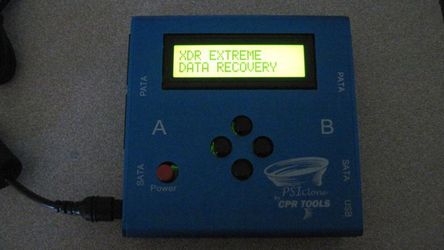
The PSIClone device from CPR Tools has become a cornerstone in enterprise firmware repair workflows, particularly for complex SSDs, such as those from Dell and Kioxia. This device enables technicians to clone firmware and data with high fidelity, providing an essential backup or recovery option in the event of firmware corruption incidents.
When firmware issues are detected on enterprise SSDs, especially after a suspected malware attack or system update failure, PSIClone provides a quick and effective means to duplicate the firmware configuration before initiating repairs. Such a process ensures that critical data and firmware setups are safeguarded against potential missteps during the update process. Furthermore, PSIClone's precision cloning capabilities help prevent further data loss and ensure that firmware restoration procedures are reliable and effective.
Seattle Data Recovery proficiently utilizes PSIClone alongside CPR Flash, enabling a comprehensive approach to firmware damage. This synergy between tools allows them to swiftly restore firmware integrity on Dell Kioxia enterprise SSDs, minimizing downtime and protecting organizations from considerable financial and operational risks associated with firmware corruption.
Addressing Firmware Corruption: Risks and Consequences
Firmware corruption in enterprise SSDs can result from a multitude of factors, including malware, failed updates, or hardware faults. For Dell Kioxia SSDs, this corruption typically manifests as sudden drive failures, system instability, and data corruption, which can jeopardize entire networks. Such failures are particularly dangerous because they may go unnoticed until catastrophic incidents occur, like server crashes or data breaches.
In the worst-case scenarios, firmware corruption can be weaponized by malicious actors. For example, firmware vulnerabilities can be exploited to bypass encryption, install malware, or create backdoors, posing serious security threats to organizations. Additionally, firmware bugs—such as the 2020 Dell Kioxia failure due to defective firmware—highlight how systemic issues can trigger widespread disruptions. Addressing firmware corruption proactively with expert firmware repair is, therefore, essential for safeguarding enterprise operations and maintaining network security.
Seattle Data Recovery's expertise in diagnosing and repairing firmware issues ensures that organizations can mitigate risks before they escalate. Using tools like CPR Flash and PSIClone, they efficiently restore firmware integrity, preventing costly data loss and potential security breaches.
Firmware Updates: The Key to Preventing Network Disasters
Given the interconnectedness of enterprise networks and storage systems, firmware updates are vital for preventing large-scale failures. Faulty firmware can trigger cascading effects, from kernel panics to complete network outages. For example, in 2024, a firmware flaw in Lenovo's BG5 SSDs rendered them permanently undetectable, causing system hangs and necessitating costly hardware replacements—and such issues could have been avoided with prompt firmware repair and updates.
An effective firmware update process involves careful analysis, testing, and deployment using reliable tools like CPR Flash. When executed correctly, these updates rectify bugs, patch security vulnerabilities, and improve overall drive stability. For enterprises that operate mission-critical applications, firmware updates are not optional—they are necessary to ensure ongoing operational resilience, especially in data centers handling vast volumes of sensitive information.
Seattle Data Recovery guarantees that its clients receive timely firmware repair services, including updating firmware on Dell Kioxia enterprise SSDs. Their meticulous approach helps prevent system failures, network crashes, and data breaches, reinforcing organizational security and uptime.
The Role of CPR Tools in Enterprise SSD Maintenance
CPR Tools has established itself as a leader in enterprise data recovery and storage hardware maintenance. Their suite of utilities, including CPR Flash, is specifically designed to facilitate firmware updates and repairs on various storage devices, particularly enterprise SSDs such as those from Dell and Kioxia.
These tools empower technicians to perform firmware flashes safely and efficiently, reducing the risk of bricking drives or inducing further corruption. CPR Flash's compatibility with multiple devices and its streamlined update workflow make it an indispensable asset for firms like Seattle Data Recovery, which handle sensitive data and require rapid, reliable repair solutions.
Employing CPR Tools in firmware repair signifies a proactive approach to enterprise storage management. By ensuring firmware health, organizations protect their storage investments, maintain data integrity, and bolster security against emerging threats associated with firmware vulnerabilities.
Case Studies: Firmware Repair Successes in Action
The effectiveness of Seattle Data Recovery's firmware repair services is exemplified through several case studies involving Dell Kioxia SSDs. One notable example involves the Kioxia RM5 SSDs used in Nutanix and HPE environments, where firmware bugs caused false failure alerts. Utilizing CPR Flash and PSIClone, technicians updated the firmware, correcting the false failure condition and restoring stability.
Similarly, Dell PowerEdge servers experienced crashes due to firmware issues with Kioxia CM6 NVMe drives. Through targeted firmware updates facilitated by CPR Tools, Seattle Data Recovery eliminated the fatal errors, ensuring seamless operation. Their ability to diagnose, clone, and update firmware efficiently demonstrates the critical importance of expertise and advanced tools in maintaining the health of enterprise storage.
These success stories highlight the importance of rapid, professional firmware repair in preventing costly system downtime and data loss, underscoring Seattle Data Recovery's leadership in this domain.
Future-Proofing Enterprise Storage Systems
As enterprise data demands continue to grow and cyber threats evolve, maintaining the firmware health of SSDs will become even more crucial. Regular firmware updates and repairs are integral to a comprehensive storage management strategy, designed to future-proof infrastructure.
By leveraging advanced utilities like CPR Flash and PSIClone, organizations can proactively monitor firmware versions, identify potential vulnerabilities, and execute timely repairs or updates. This strategic approach ensures that Dell Kioxia enterprise SSDs operate reliably over their lifespan, minimizing the risk of unforeseen failures or security breaches.
Seattle Data Recovery's expertise in firmware repair is essential in this evolving landscape. Their proactive services help organizations stay ahead of firmware-related risks, creating resilient storage environments that can support future technological advancements.
Partnering with Experts for Firmware Resilience
In summary, firmware issues pose a significant threat to enterprise storage systems, particularly those utilizing Dell Kioxia SSDs. The risks associated with firmware corruption—including data loss, security breaches, and network instability—highlight the necessity of professional, timely firmware repair. Seattle Data Recovery specializes in this critical area, leveraging tools like CPR Flash and PSIClone to perform precise firmware updates.
Their comprehensive approach ensures that organizations maintain the integrity, security, and performance of their storage hardware. Whether preventing potential failures through routine firmware updates or restoring functionality after corruption, Seattle Data Recovery stands as a trusted partner for enterprise data resilience. Embracing their expertise and advanced tools enables organizations to navigate the complex landscape of enterprise storage management with confidence.
Your enterprise storage system's security depends on proactive firmware management. Trust Seattle Data Recovery for expert firmware repair services on Dell Kioxia SSDs—using the latest CPR Tools solutions to keep your data safe and your network secure.