Introduction to M.2 SSDs
In today's high-tech landscape, M.2 SSDs (Solid State Drives) have emerged as the go-to option for speed and efficiency. With their compact size, these drives are particularly popular in laptops, notebooks, and other portable devices. Data storage needs have evolved as technology progresses, leading to the widespread adoption of M.2 form factors. Users prefer them not only for their modern design but also for their impressive performance. However, like any storage device, they are not immune to data loss, prompting a demand for professional data recovery services, particularly in Seattle.
The efficiency of M.2 SSDs, especially NVMe (Non-Volatile Memory Express) drives, cannot be overstated. They deliver faster data access and transfer speeds than traditional hard drives and earlier SSD models. Despite their advantages, users often face challenges from accidental deletions, software malfunctions, and even physical damage—hence the crucial role of data recovery experts. Seattle Data Recovery stands at the forefront of this field, equipped to restore files and provide hope to those grappling with data loss.
Understanding the M.2 Form Factor
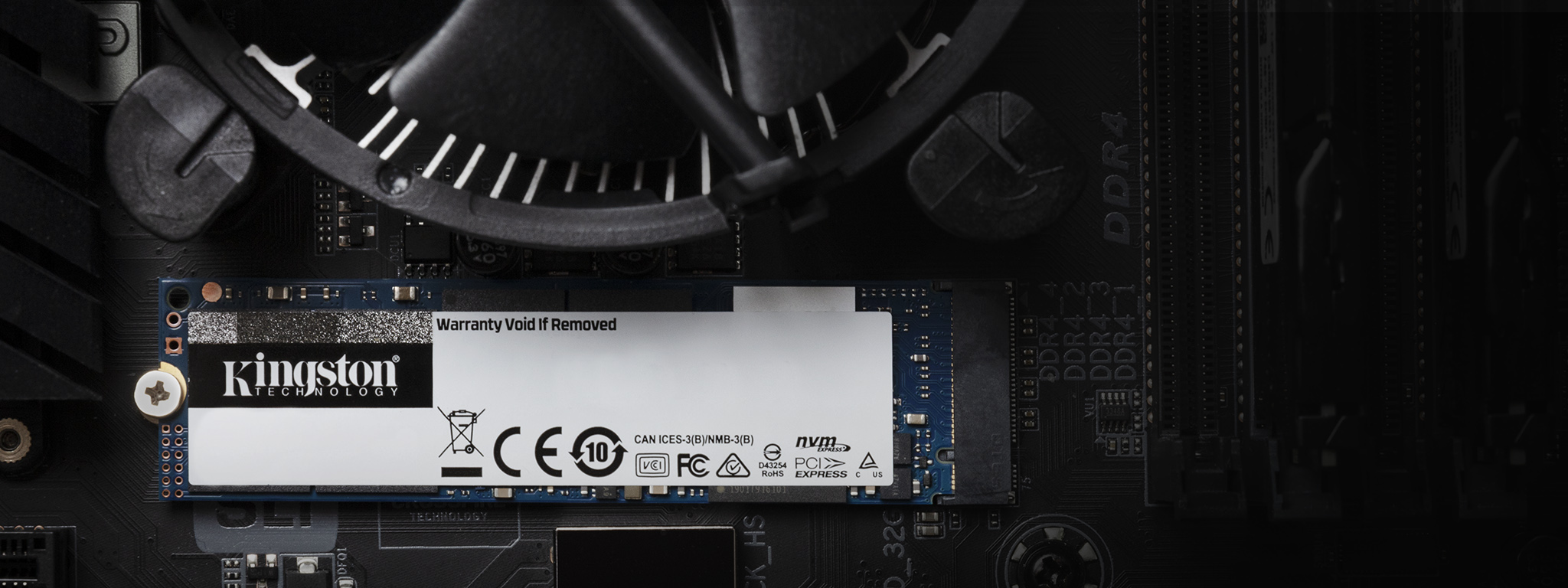
M.2 drives represent a significant shift in storage device design. Unlike traditional 2.5-inch SSDs, M.2 drives utilize a slim, rectangular shape that fits seamlessly into modern computing devices. This form factor is engineered to save space while delivering power and performance. M.2 drives can connect through SATA or NVMe interfaces, with NVMe exhibiting superior speeds. Understanding the distinction between these two options is essential, as it impacts performance and recovery strategies should data loss occur.
Furthermore, M.2 drives feature varying capacities, accommodating everything from minimalist setups to high-capacity storage solutions. Their availability in micro and full-length cards opens doors for versatility in design, making M.2 SSDs attractive for technology enthusiasts and average users. Yet, despite their benefits, the inherent risks, such as data corruption, underscore the necessity for professional data recovery services to mitigate potential data loss.
The Risk of Data Loss: Why It Matters
Data loss is an urgent issue that can arise from various circumstances, impacting businesses and individuals alike. While technology is advancing rapidly, the vulnerabilities of storage devices like M.2 SSDs continue to pose challenges. Accidental deletions, driven by human error and software glitches, rank among the most common causes of data loss. When such events transpire, the first instinct may be to seek immediate solutions, which can lead to further complications. Properly understanding the risks is foundational for effective data recovery.
Notably, the potential for physical damage amplifies these risks. Users may inadvertently drop, spill, or otherwise compromise their SSDs, rendering them unreadable. In such instances, attempting to recover files without professional assistance may worsen the likelihood of data retrieval. Data recovery experts from Seattle Data Recovery emphasize that engaging their services early can be a game-changer. With the right tools and clean room facilities, they maximize the chances of restoring precious data while protecting the integrity of the damaged unit.
Accidental Deletion: The Hidden Threat
Accidental deletion is often the most benign yet impactful form of data loss users confront. A simple misclick or mistaken formatting can irreversibly alter one's data landscape. With M.2 SSDs, the TRIM command can exacerbate this issue. TRIM facilitates efficient space management by marking deleted files for overwriting, making recovery arduous or nearly impossible. Users may be distressed when they realize critical files are gone, pushing many to consider professional data recovery services.
Recovering data after accidental deletion hinges on immediate and informed action. The longer one waits, the higher the probability that the deleted files will be overwritten. Seattle Data Recovery specializes in creating a strategy tailored to individual circumstances. Utilizing advanced recovery tools and methodologies, the company aims to retrieve as much lost data as possible while preventing further damage to the SSD.
Software and Hardware Glitches: Navigating Malfunctions
Software and hardware malfunctions represent another layer of complexity regarding data loss. M.2 SSDs, despite their superior performance, are not exempt from technical faults. Operating system incompatibilities, file system corruption, and driver failures can render an SSD inoperable, frustrating users who rely on their devices for crucial tasks. Professional data recovery services are pivotal in diagnosing these issues and formulating recovery plans.
Understanding the SSD's SMART (Self-Monitoring, Analysis, and Reporting Technology) values can provide critical insights when confronted with these challenges. These values allow users to assess their drives' health and gauge the urgency of their situation. If an SSD shows warning signs, seeking immediate assistance from a professional data recovery team becomes paramount. Seattle Data Recovery possesses the expertise to interpret SMART data and take appropriate action to maximize recovery efforts.
Physical Damage: When to Seek Professional Help
Physical damage to an M.2 SSD is perhaps the most concerning scenario, requiring specialized knowledge and tools for proper recovery. Cracks, dents, or water exposure can severely compromise the storage device. Attempting to fix a physically damaged SSD by oneself commonly leads to irreparable data loss, a consequence that users must thoroughly understand.
In these cases, engaging a professional data recovery service is critical. Facilities equipped with cleanrooms ensure that the SSD is handled in an environment free from dust and contaminants, which can further complicate recovery efforts. Seattle Data Recovery is well-versed in managing physical damage, utilizing expert technicians who employ advanced recovery techniques to retrieve lost data safely.
The Role of TRIM and Its Impact on Recovery
The TRIM command significantly impacts the recovery landscape of M.2 SSDs. Designed to optimize data disposal, TRIM may often lead to permanent loss of files after deletion by clearing data blocks instead of simply marking them as deleted. If TRIM is enabled and files are deleted, the chances of recovery can diminish greatly, especially if the SSD has since been used for additional data writing.
Awareness of TRIM implications encourages users to approach data management cautiously. Early engagement with data recovery professionals, such as Seattle Data Recovery, increases the likelihood of successfully navigating these challenges. The team can provide guidance and potentially employ specialized techniques for recovering data from SSDs affected by TRIM operations.
Leveraging SMART Technology for Insights
SMART technology is paramount in evaluating the health of M.2 SSDs. Users can proactively monitor their devices by analyzing SMART values, gaining insights about faults or failures before they escalate into data loss incidents. Regular monitoring allows users to avoid potential problems and prompts them to consult data recovery professionals.
Understanding SMART metrics can delineate the difference between data security and emerging risks in data retention. Should users notice anomalies or warnings, it becomes prudent to contact Seattle Data Recovery. Equipped with sophisticated tools, the recovery team can interpret SMART data and engineer an effective recovery strategy tailored to individual user needs.
The Data Recovery Process: What to Expect
When data recovery is necessary, users often inquire about the process, from diagnosis to retrieval. At Seattle Data Recovery, the journey begins with a comprehensive evaluation, including an analysis of the SSD's condition and the nature of data loss. Technicians employ advanced diagnostic tools to ascertain the underlying issues and determine the feasibility and methodology for recovery.
Once diagnostics are complete, the recovery phase involves employing state-of-the-art technology in a controlled environment. The team measures the device's integrity while developing an action plan tailored to the specific data loss scenario. Clear communication with clients is maintained throughout this process, providing transparency and instilling confidence in the recovery process.
The Importance of Professional Data Recovery Services
In the realm of data loss, the significance of professional assistance cannot be overstated. The need for specialized data recovery services becomes increasingly vital as M.2 SSDs continue to grow in popularity due to their efficiency and speed. From accidental deletions to physical damage, the myriad risks associated with data loss require expertise and advanced tools for successful recovery.
Seattle Data Recovery stands ready to assist those experiencing data loss. It is committed to restoring hope and ensuring users regain access to their essential files. By prioritizing professional services, individuals and businesses can mitigate the threats of modern storage devices, effectively safeguard their data, and enhance their overall digital experience.