The Growing Need for Reliable SD Card Data Recovery in Seattle
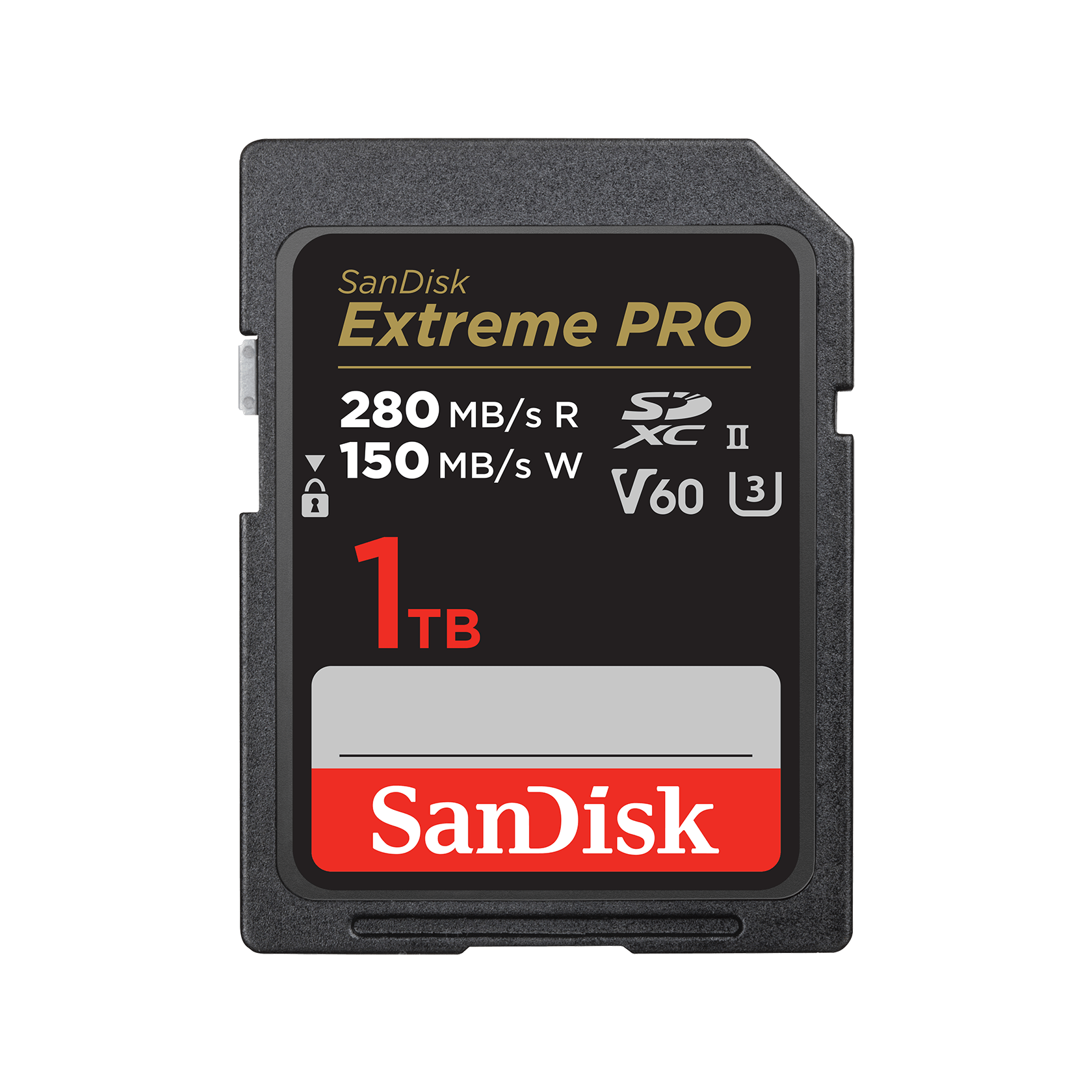
In today's digital age, data is the backbone of both personal and professional life. Whether capturing priceless moments or critical business files, users rely heavily on SD cards, particularly the SanDisk Extreme PRO SDXC UHS-II, for swift and durable storage solutions. Unfortunately, accidents happen—cards get corrupted, files get deleted, or hardware sustains physical damage.
Seattle Data Recovery has emerged as a trusted leader in providing expert solutions for data loss issues involving SD cards. Their specialized services address the full spectrum of problems—from minor corruptions to complete physical damage—ensuring that no matter the situation, your valuable data remains recoverable. As the demand for professional recovery services increases, understanding the intricacies of these procedures and knowing when to seek expert assistance is crucial.
Recognizing the Signs of Damaged SanDisk SDXC Cards
One of the first steps in safeguarding your data involves recognizing when your SanDisk Extreme PRO SDXC UHS-II card is failing. Common indicators include slow performance, read/write errors, frequent disconnections, or the inability to access certain files. Sometimes, the card may appear blank or unreadable altogether.
In some cases, physical signs such as cracks, corrosion, or water damage are evident. More subtle issues include file corruption, unexpected formatting, or persistent errors during file transfer. Prompt identification of these signs allows users to act quickly, potentially avoiding catastrophic data loss.
Why Professional Data Recovery Outperforms DIY Solutions
Professional data recovery services, such as those offered by Seattle Data Recovery, utilize state-of-the-art equipment, cleanroom environments, and specialized techniques that DIY solutions cannot match. When the SD card sustains physical damage or faces complex logical failures, professionals are equipped to intervene safely and effectively.
These experts understand the intricacies of NAND flash memory chips—the core component of the SanDisk Extreme PRO SDXC UHS-II—and possess advanced tools designed for data extraction at the chip level. As a result, they significantly increase the likelihood of recovering lost files, even in severe cases, thus saving irreplaceable data that could otherwise be lost forever.
Understanding When to Seek Professional Data Recovery
Deciding when to opt for professional data recovery is critical. If your SanDisk Extreme PRO SDXC UHS-II card contains irreplaceable or legally significant data, the risk of attempting DIY recovery is too high. In such cases, professional intervention ensures a higher success rate and minimizes further damage.
If your SD card exhibits physical damage, such as cracks, water exposure, or a burning smell, professional services should be contacted immediately. Even if the card seems to work fine but contains crucial data, seeking expert help provides peace of mind, knowing experienced specialists are handling your storage device with utmost care.
How Seattle Data Recovery Handles Damaged SD Cards
Seattle Data Recovery specializes in retrieving data from damaged SanDisk SD cards, including the SanDisk Extreme PRO SDXC UHS-II. Their process begins with a thorough consultation, where they listen to your issue, evaluate the data's importance, and explain the recovery possibilities.
Once you engage their services, the next step involves analyzing the card in a controlled, cleanroom environment to prevent further contamination or damage. This meticulous approach ensures that the delicate internal components of your SD card are preserved during diagnosis and recovery.
The Diagnostic Phase: Pinpointing the Issue
During the diagnostic phase, specialists carefully examine the SD card to identify the root cause of the failure—whether it is logical corruption, firmware issues, or physical hardware damage. This process employs sophisticated equipment to read the internal memory chips, bypassing faulty controllers or damaged interfaces.
The diagnostic also involves assessing the extent of damage, which guides the recovery strategy since the environment is a cleanroom, the risk of dust, static, or other contaminants affecting the internal circuits is minimized, which is essential for ensuring successful data retrieval.
The Recovery Process: Extracting Data from Damage
Following diagnosis, the recovery process begins. Using specialized hardware and software, the professionals access the NAND chips directly, extracting the data at a low level. This method often involves repairing corrupted firmware, bypassing damaged controllers, and reconstructing fragmented files.
It's essential to recognize that recovery is a delicate and complex process. In some instances, physical repairs to the card may be necessary, such as replacing damaged components, before data extraction can proceed. Due to the technical expertise involved, these procedures often take several days but significantly improve the chances of recovering all data.
Data Verification and Quality Assurance
Once the data has been successfully retrieved, Seattle Data Recovery performs rigorous verification processes to ensure accuracy. This ensures that the recovered files are intact, complete, and free of corruption. Files are checked for readability, accuracy, and completeness, assuring you that the recovery process was successful.
This stage is critical—especially when recovering high-resolution images, videos, or professionally relevant files. Confirming data integrity guarantees that your files are ready for immediate use or transfer to a new storage device.
Securing and Delivering Your Recovered Data
After verification, the recovered data is securely transferred onto a new, reliable storage medium—such as a new SD card, external hard drive, or cloud storage. The delivery process emphasizes confidentiality and security, ensuring your sensitive data remains protected.
Seattle Data Recovery maintains strict data privacy protocols throughout the entire process. Once you receive your recovered files, they provide guidance on how to avoid future data loss and properly care for your SD cards to extend their lifespan.
Preventative Measures and Best Practices for SD Card Users
While professional data recovery services provide peace of mind, preventing data loss is always preferable. Regularly backing up important files to multiple locations, such as cloud storage or external drives, is a fundamental best practice. Also, avoid exposing your SD card to extreme temperatures, water, or physical shocks to prevent damage.
Using reputable SD cards, such as the SanDisk Extreme PRO SDXC UHS-II, and adhering to the manufacturer's guidelines prolongs device lifespan. Periodic checks for signs of wear and timely replacement can save you from difficult recoveries and potential heartbreak.
Trust Seattle Data Recovery for Expert SD Card Solutions
Data loss from SanDisk Extreme PRO SDXC UHS-II cards can be a distressing experience, especially when dealing with irreplaceable files. However, Seattle Data Recovery offers advanced, professional services capable of restoring even severely damaged storage devices. Their expertise and state-of-the-art technology maximize recovery success rates, ensuring that your critical data remains accessible.
If your SD card shows signs of failure or physical damage, do not hesitate to contact Seattle Data Recovery. Their experienced team will guide you through the recovery process, employing proven techniques that respect the delicate nature of NAND flash memory. With professional help, you can regain control over your lost data and restore peace of mind.
Whether caused by accidental deletion, corruption, or physical damage, Seattle Data Recovery's specialized services for the SanDisk Extreme PRO SDXC UHS-II ensure that your data recovery needs are met with professionalism and precision. Trust the experts to turn your data loss nightmare into a successful recovery.