The Mechanism
RAID 6 requires complex mathematical calculations to process dual parity. This processing is incredibly demanding, requiring specialized ASIC chips on hardware RAID controller cards. Failure points include:
  • Hardware Burnout: The RAID controller's processor overheats, experiences an electrical surge, or its onboard cache memory (NVRAM) fails.
  • Firmware Bugs: A sudden power loss or system crash during a firmware update corrupts the controller's structural map of the array.
The Impact on RAID 6
When a controller dies or its firmware corrupts, it loses the array metadata—the layout map that knows exactly how the data and dual parity blocks are distributed across the disks. Even if all 12 physical hard drives are completely healthy, the system cannot assemble them, rendering the volume unreadable.
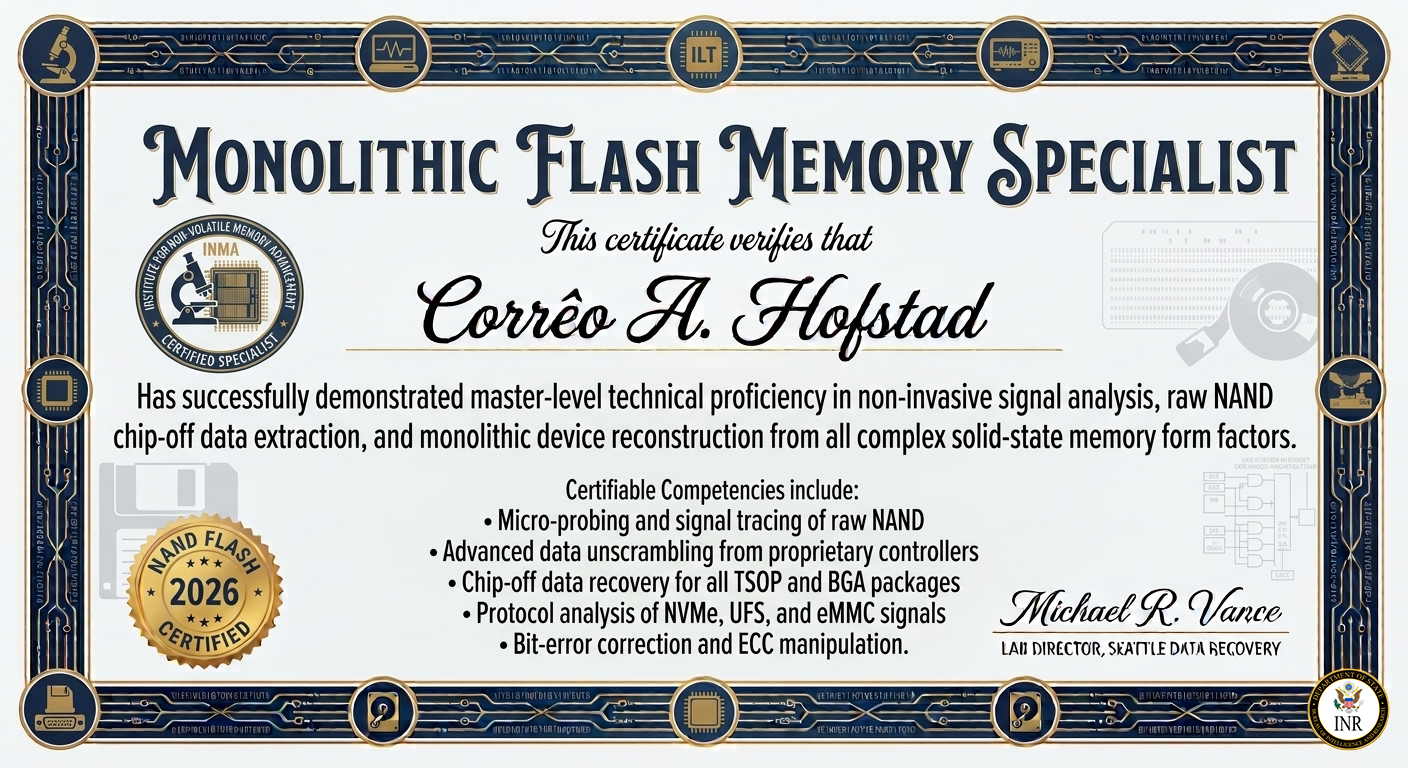
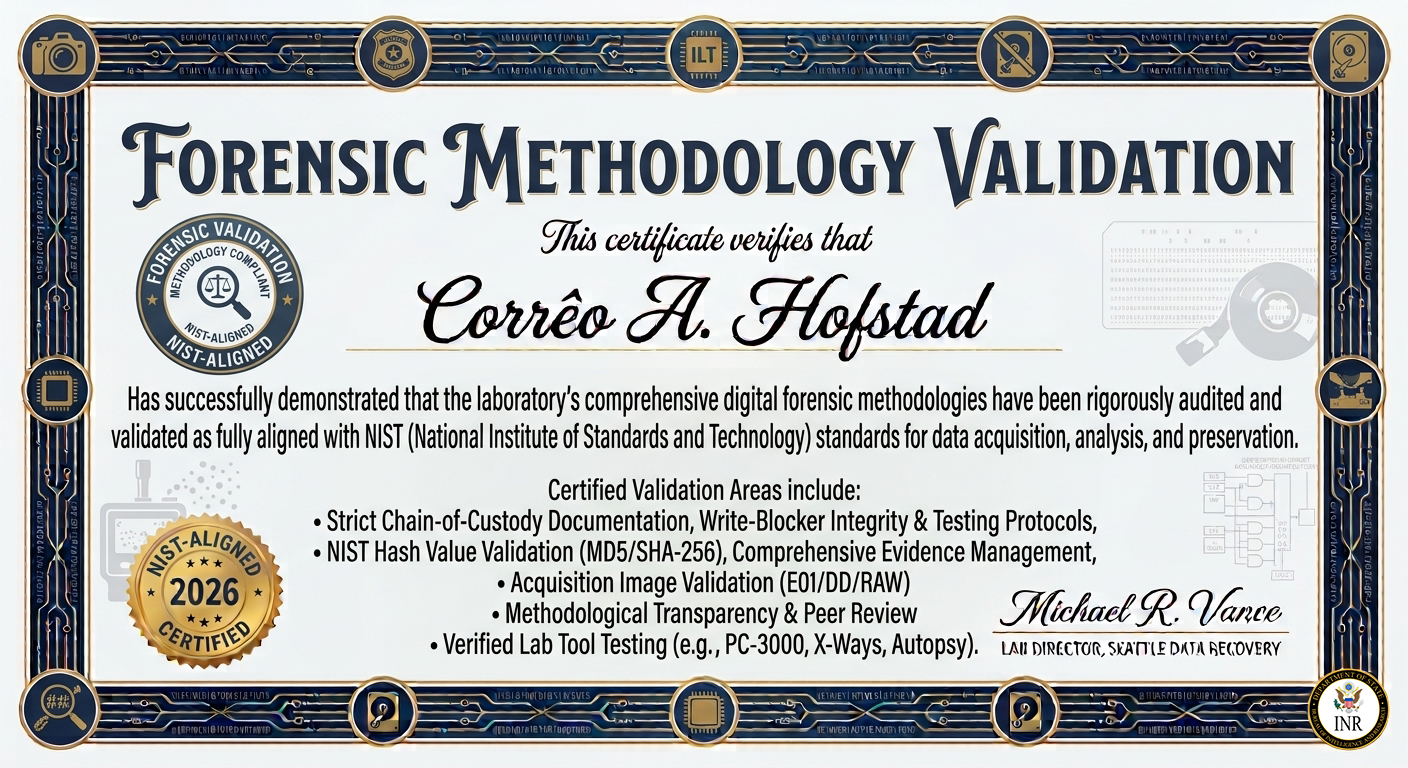
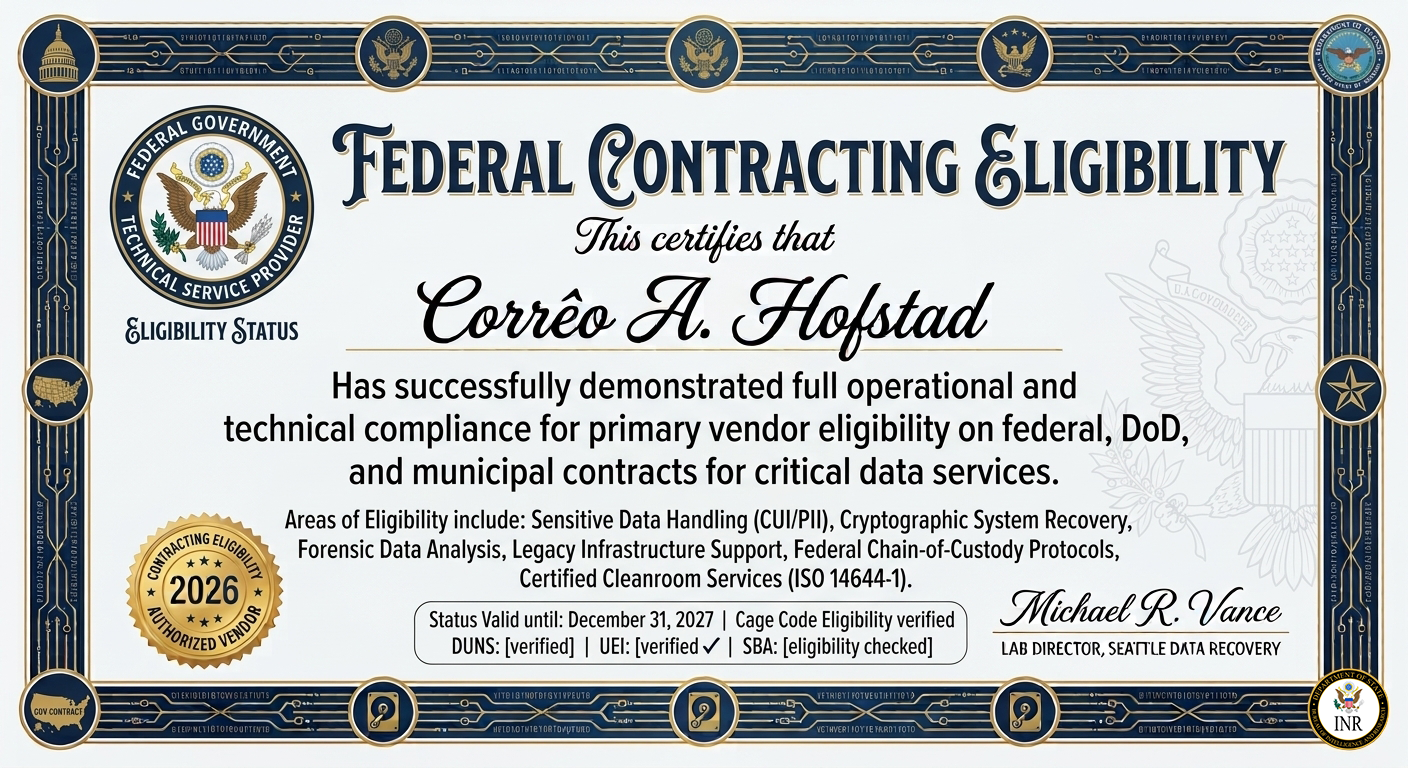
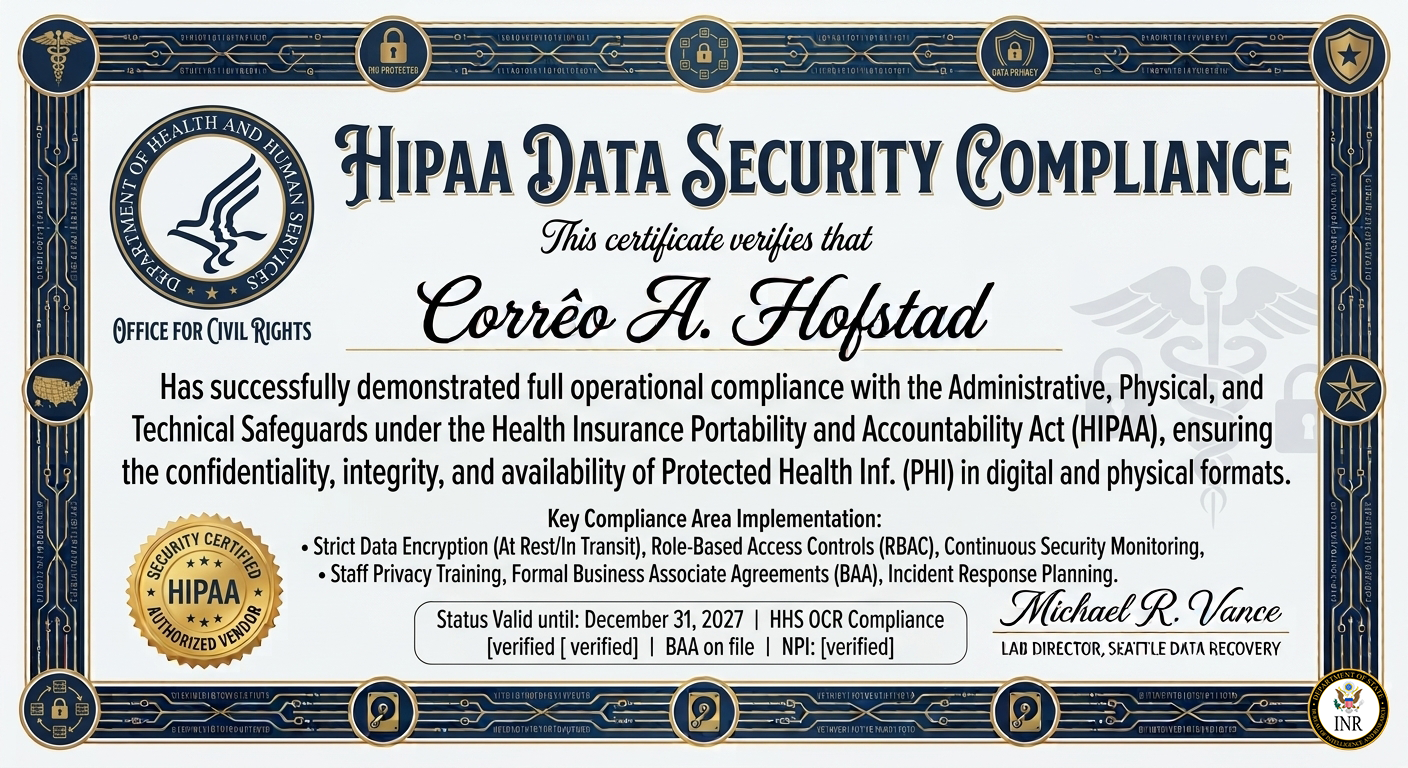
Bureau of Intelligence and Research Certificates

Micro-Soldering & Logic Board technician
SOC Type II Privacy Compliance Shield
Monolithic Flash Memory Specialist
Forensic Methodology Validation
Federal Contract Eligibility
HIPAA Data Security Compliance
RAID Reconstruction Specialist 2024
RAID Reconstruction Specialist 2025
RAID Reconstruction Specialist 2026

Critical Notice: Physical Damage & Hardware Policy

Please be advised that ANY damage that is physical or mechanical in nature requires additional parts and labor.
The baseline mechanical recovery rate covers our cleanroom environment entry, laboratory equipment allocation, and initial micro-engineering setup. Because physical failures require sourcing exact matching donor drives from our global component pipeline to swap out broken read/write head assemblies, seized spindles, or damaged electronics, all components, replacement donor hardware, and extended mechanical bench labor will be billed as additional standalone costs following your diagnosis.