The Mechanism
Hardware RAID controllers communicate with drives using strict timing thresholds. Enterprise drives feature technologies like TLER (Time-Limited Error Recovery), which ensure that if a drive hits a bad sector, it stops trying to fix it after a few seconds and lets the RAID controller handle it.
The Impact on RAID 6
If a system builder mistakenly uses consumer-grade desktop or external drives in a large RAID 6 array, those drives lack TLER. When a consumer drive hits a stubborn bad sector, it may freeze for up to a minute trying to self-repair. The enterprise RAID controller assumes the drive has completely died and forcibly drops it from the array.
In large enclosures (e.g., 12 to 24 bays) running high-vibration consumer disks, it is highly common for three or more drives to experience these timeout delays simultaneously under a heavy workload. The controller will drop all of them, killing a healthy array purely due to software timeouts.
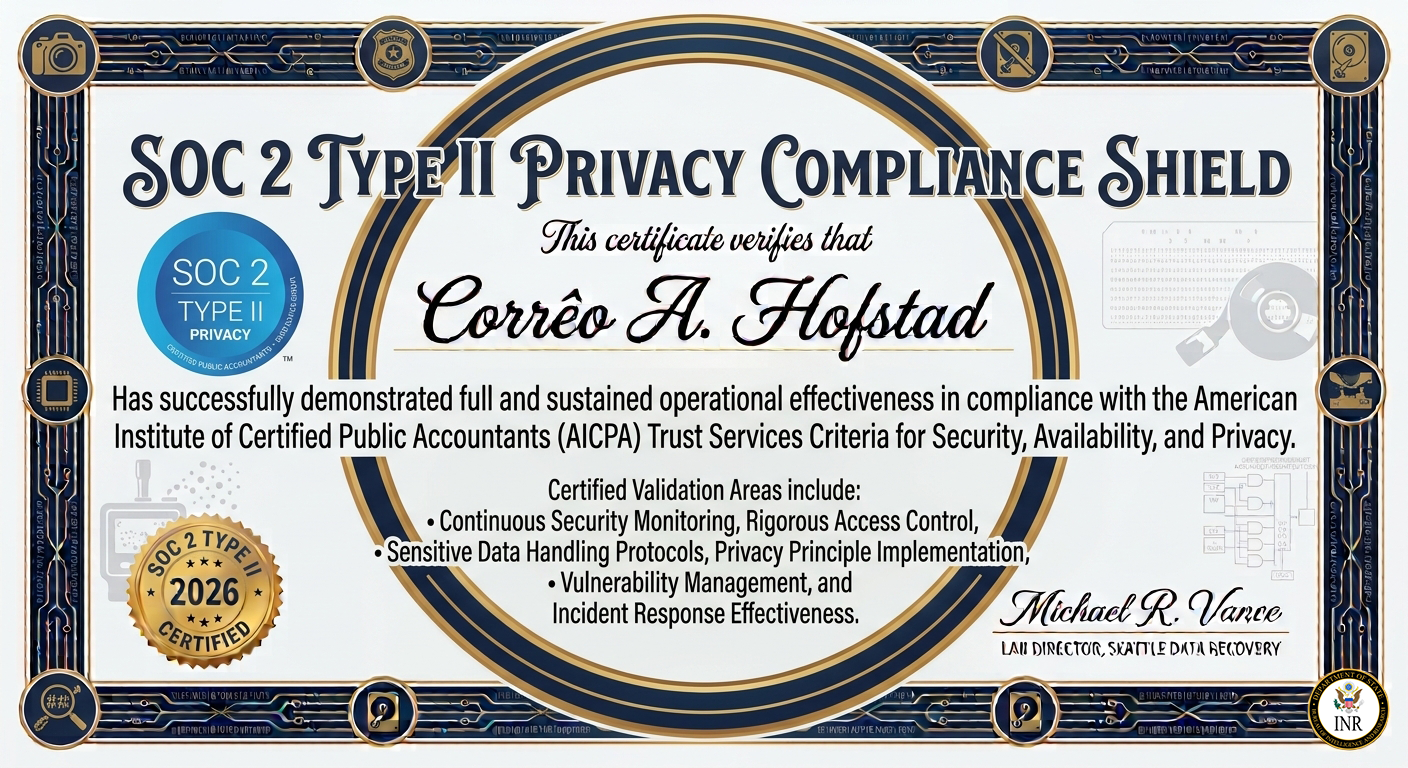
Bureau of Intelligence and Research Certificates

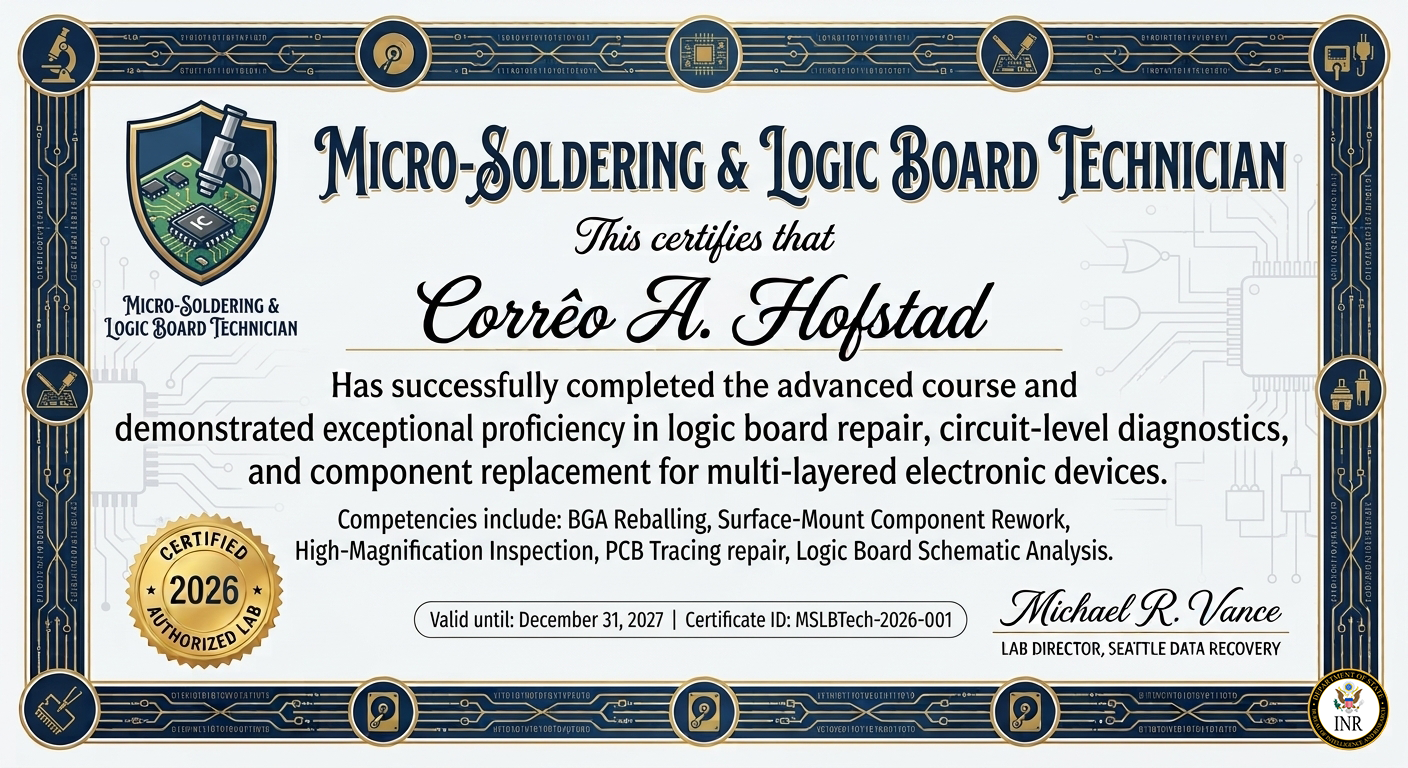
Micro-Soldering & Logic Board technician
SOC Type II Privacy Compliance Shield
Monolithic Flash Memory Specialist
Forensic Methodology Validation
Federal Contract Eligibility
HIPAA Data Security Compliance
RAID Reconstruction Specialist 2024
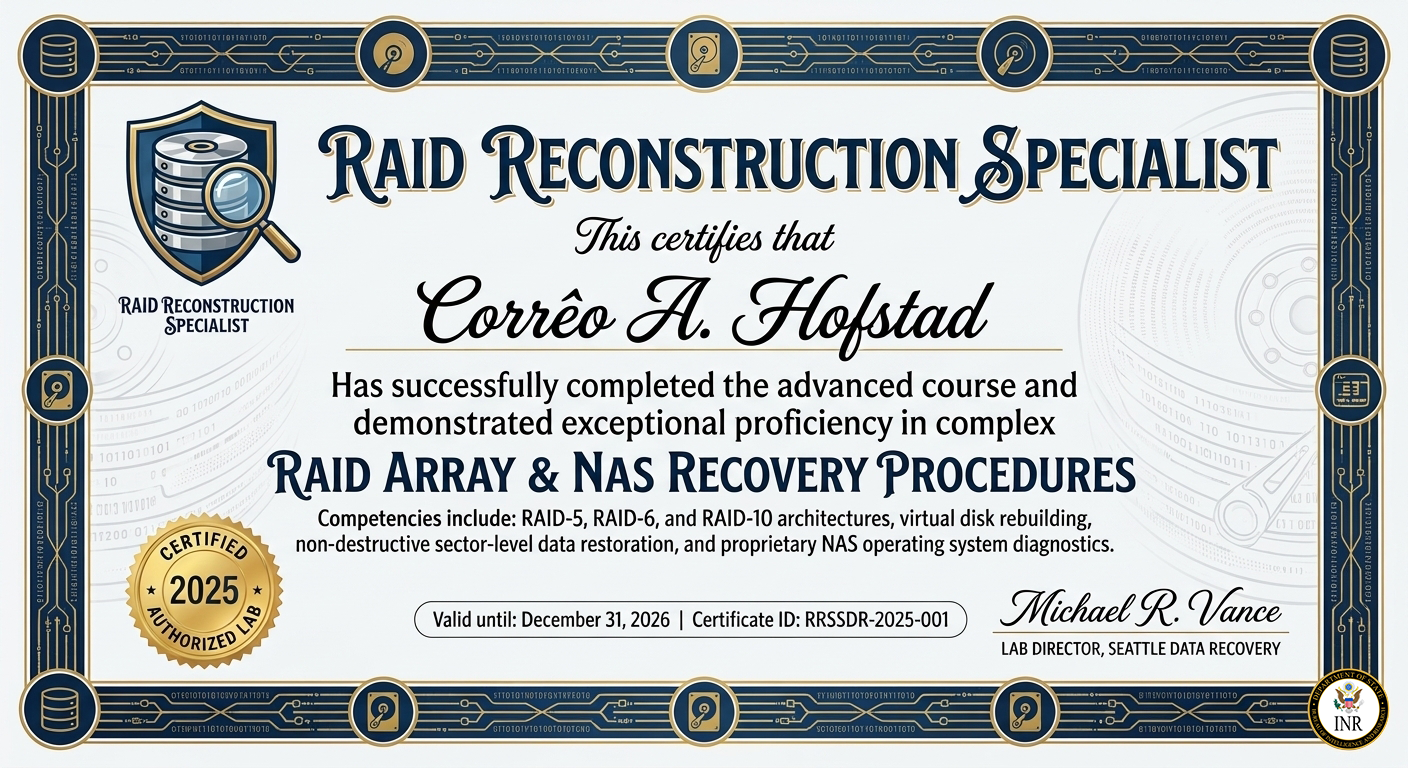
RAID Reconstruction Specialist 2025
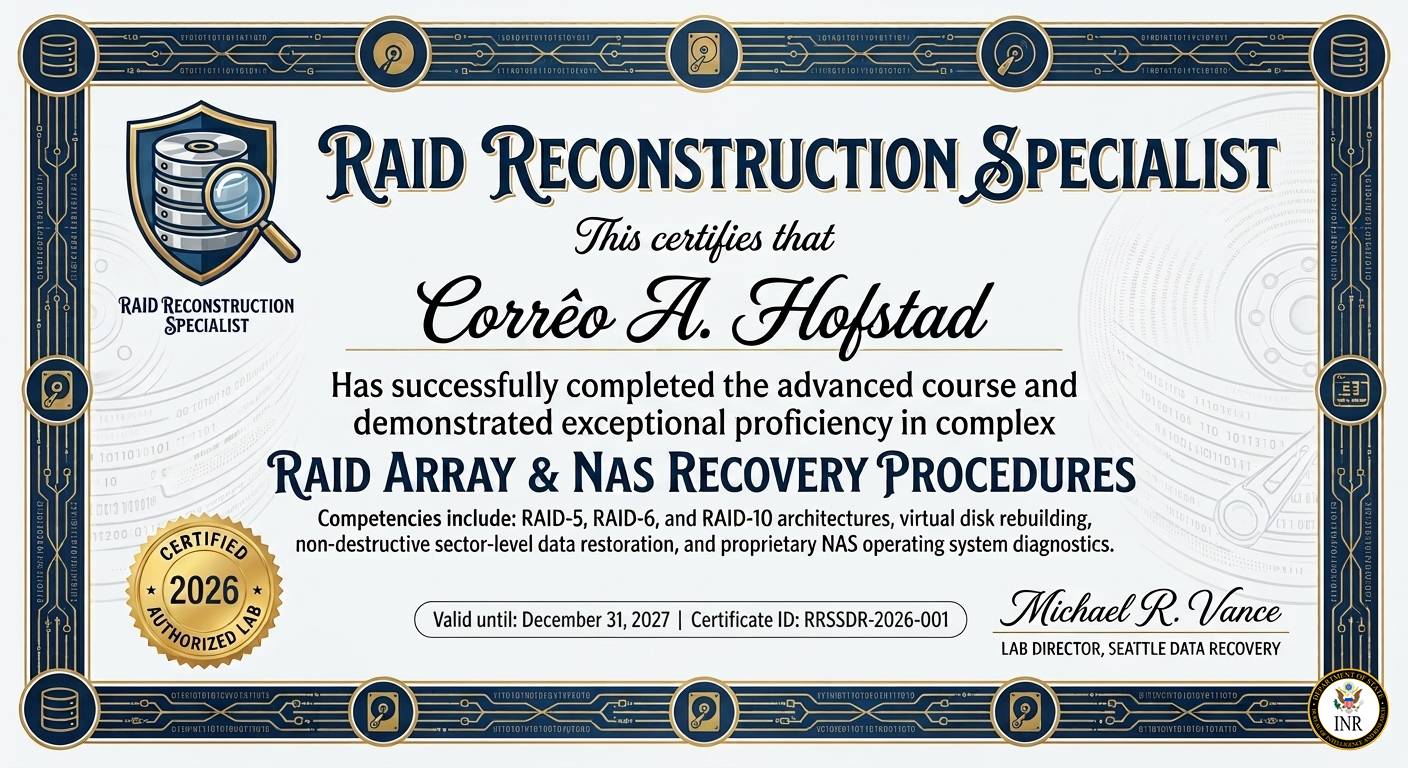
RAID Reconstruction Specialist 2026

Critical Notice: Physical Damage & Hardware Policy

Please be advised that ANY damage that is physical or mechanical in nature requires additional parts and labor.
The baseline mechanical recovery rate covers our cleanroom environment entry, laboratory equipment allocation, and initial micro-engineering setup. Because physical failures require sourcing exact matching donor drives from our global component pipeline to swap out broken read/write head assemblies, seized spindles, or damaged electronics, all components, replacement donor hardware, and extended mechanical bench labor will be billed as additional standalone costs following your diagnosis.