• The Breakdown: As pioneers of mainstream ultra-high-speed M.2 storage, these PCIe 3.0 flagships run incredibly hot. The predominant failure mechanism is thermal controller fatigue. Months or years of high-performance operation without adequate heatsinks can degrade the BGA solder joints underneath the Phoenix controller, or bake the onboard DRAM cache chip.
  • Common Failure Symptoms: Intermittent disconnects during heavy rendering or gaming workloads, device vanishing entirely from the system until a cold reboot, or total failure to boot with a "No Boot Device Found" error.
  • Recovery Protocol: Thermal failure often requires physical chip-off extraction or specialized thermal reflow procedures. Protect your digital assets by consulting the diagnostic team at Seattle Data Recovery.

Bureau of Intelligence and Research Certificates

Micro-Soldering & Logic Board technician
SOC Type II Privacy Compliance Shield
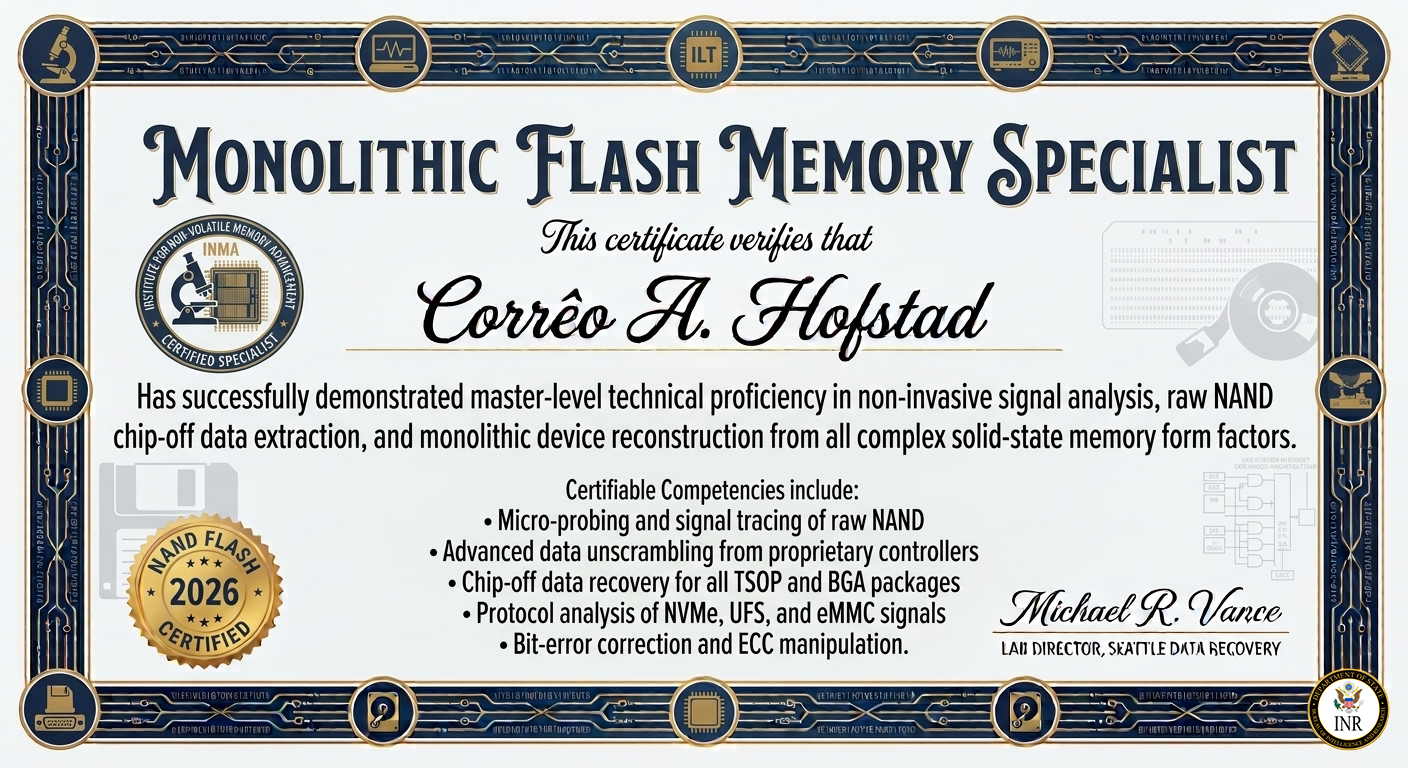
Monolithic Flash Memory Specialist
Forensic Methodology Validation
Federal Contract Eligibility
HIPAA Data Security Compliance
RAID Reconstruction Specialist 2024
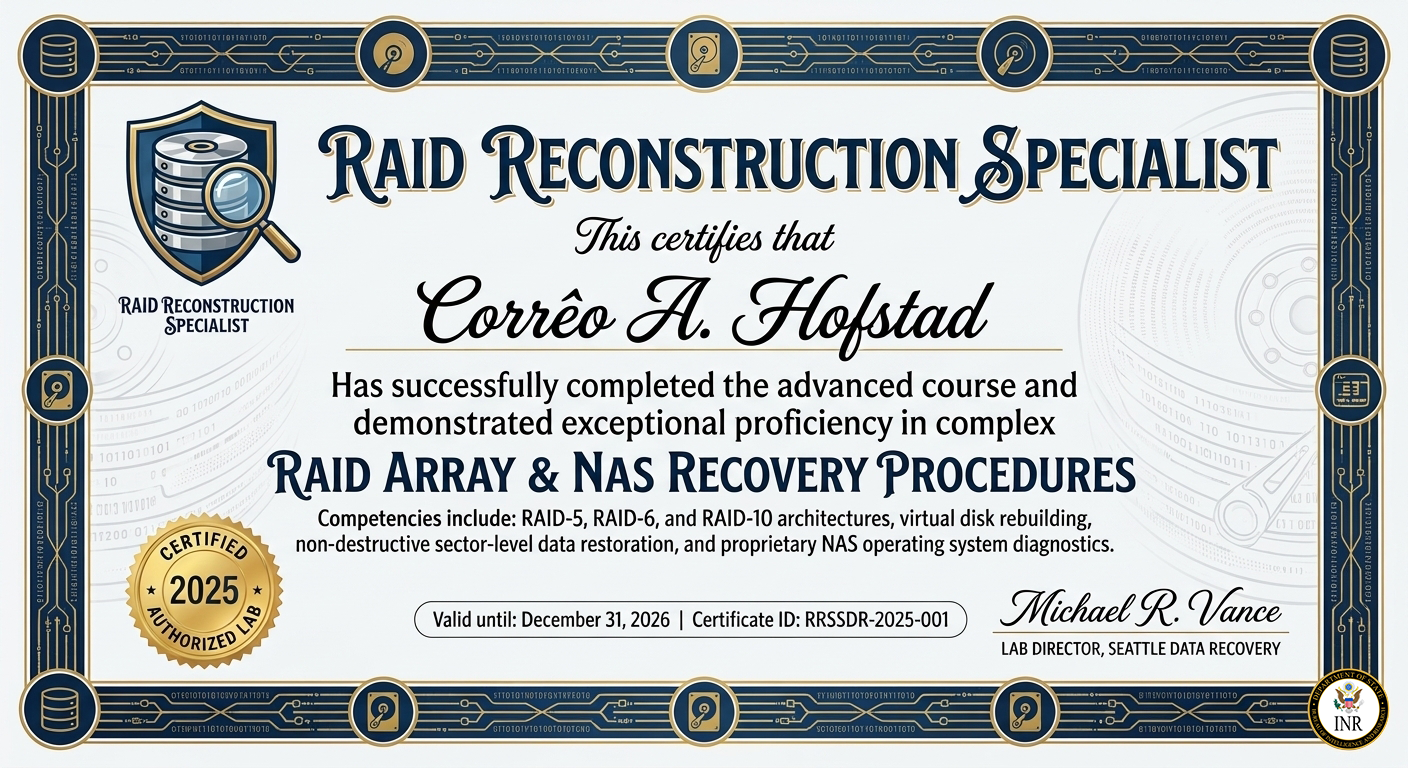
RAID Reconstruction Specialist 2025
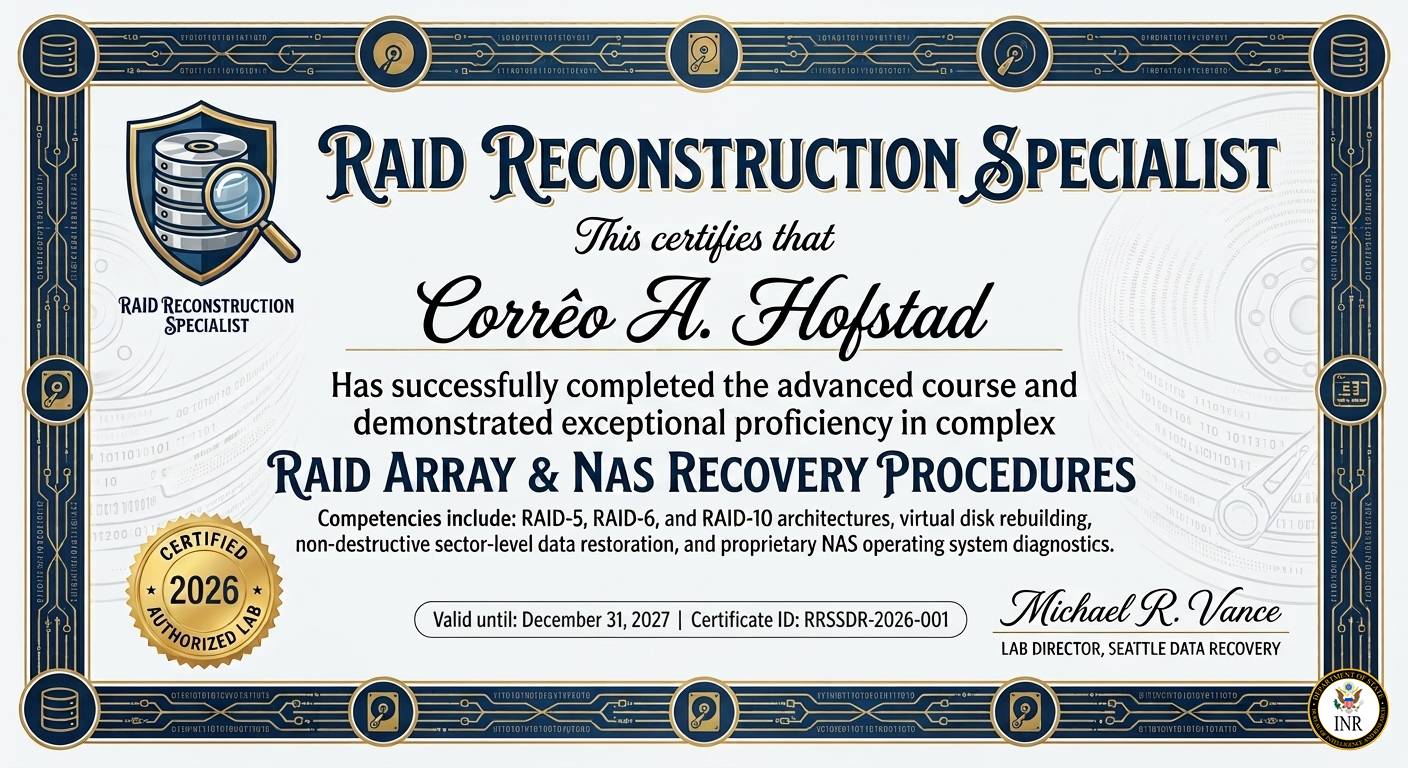
RAID Reconstruction Specialist 2026

Critical Notice: Physical Damage & Hardware Policy

Please be advised that ANY damage that is physical or mechanical in nature requires additional parts and labor.
The baseline mechanical recovery rate covers our cleanroom environment entry, laboratory equipment allocation, and initial micro-engineering setup. Because physical failures require sourcing exact matching donor drives from our global component pipeline to swap out broken read/write head assemblies, seized spindles, or damaged electronics, all components, replacement donor hardware, and extended mechanical bench labor will be billed as additional standalone costs following your diagnosis.