The Failure Scenario
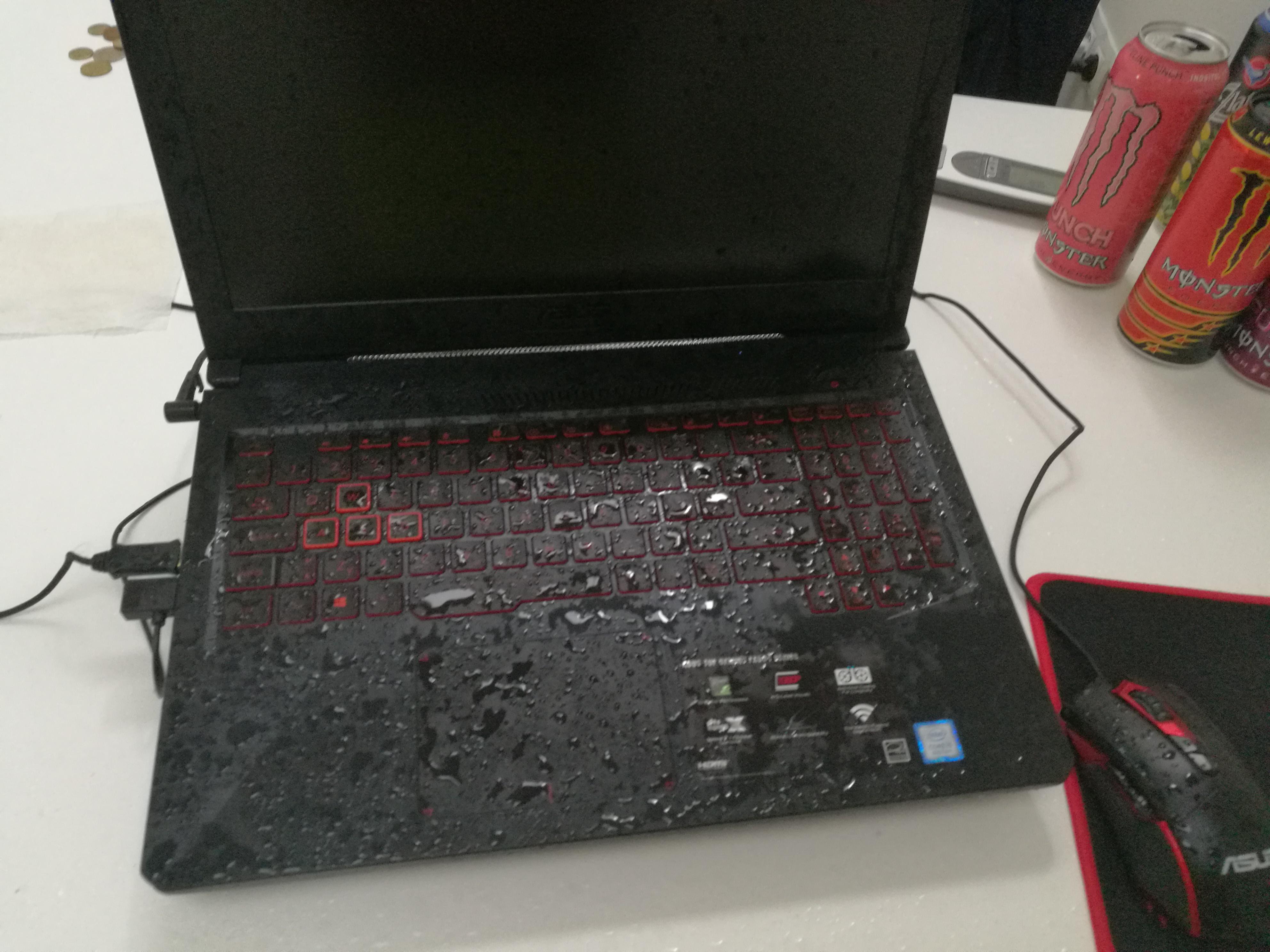
A cup of coffee, water, or wine spills directly onto your ZenBook keyboard. The laptop instantly cuts power and shuts off. Weeks later, after drying out in rice or open air, the device still refuses to turn on, charge, or respond to any inputs.
The Storage Challenge
Because ZenBooks are engineered to be incredibly compact, there are no internal barriers separating the keyboard from the vital logic board components below. Liquid instantly bridges live electrical circuits, causing immediate short circuits. Over time, the minerals in the liquid react with electricity to form green copper corrosion, which physically eats away at the microscopic traces connecting the CPU to the NVMe storage lanes or soldered NAND chips.
The Professional Recovery Process
Placing a liquid-damaged laptop in rice does not stop corrosion; it accelerates it. We charge an upfront diagnostic fee to completely disassemble the chassis and inspect the raw motherboard under a stereo microscope.
- Chemical Ultrasonic Cleaning: The logic board is stripped of its heat sinks and placed into an industrial ultrasonic tank filled with a specialized, non-conductive chemical solvent. High-frequency sound waves blast away microscopic corrosion, dried sugars, and rust from underneath the soldered storage chips.
- Micro-Soldering Trace Reconstruction: Under the microscope, our engineers use silver jumper wire (thinner than a human hair) to manually bridge traces that were destroyed by corrosion. We replace burned capacitors along the primary power rail to safely deliver voltage back to the storage controller.
- Targeted Imager Extraction: Once the board achieves basic electrical stability, it is connected to a hardware imager. We bypass the laptop's boot sequence entirely to clone the data blocks before the damaged circuits fail permanently.