The Evolution of Data Storage Technology
In today's data-driven world, the demand for increased storage capacity and faster data access continues to escalate at an unprecedented rate. As businesses and individuals generate and rely on staggering volumes of information, the need for advanced storage solutions becomes critical. Enter Western Digital — a global leader in hard drive manufacturing — and its groundbreaking development of ePMR (Energy-assisted Perpendicular Magnetic Recording).
Seattle Data Recovery collaborates with industry leaders like Western Digital to deliver clients with cutting-edge storage solutions. This collaboration ensures data integrity, recovery, and continuity, even in the face of hardware failures. As we delve into the intricacies of ePMR technology, it becomes evident that this innovation is not merely an incremental change but a fundamental leap forward in storage density, reliability, and performance.
The Fundamentals of Hard Drive Technologies: From PMR to ePMR
To appreciate the significance of ePMR, it is essential first to understand its predecessor: PMR (Perpendicular Magnetic Recording). Traditional HDDs used longitudinal recording, which laid magnetic bits horizontally on the surface of the disk. This method, while effective for its time, faced limitations in terms of data density and storage capacity as demand grew.
Perpendicular Magnetic Recording (PMR), on the other hand, reoriented magnetic bits vertically, allowing for greater areal density and improved storage capacity. Western Digital's development of ePMR builds upon PMR, incorporating new technological layers that significantly push the boundaries of what HDDs can achieve. These advances guarantee that Seattle Data Recovery can continue to offer clients rapid data recovery services from modern, high-capacity drives, ensuring business continuity in a competitive environment.
The Science Behind ePMR: Enhancing Magnetic Stability and Wayfinding
At the heart of Western Digital's ePMR technology lies its innovative approach to magnetic stabilization. Conventional PMR drives use a write head that applies a magnetic field to encode data onto the disk surface. However, fluctuations, known as jitter, can cause inconsistencies during data writing, resulting in potential data errors and reduced storage efficiency.
ePMR cleverly addresses these challenges by applying a small electrical current to the write head during the writing process. This electrical input creates a more focused and stable magnetic field, greatly reducing jitter. As a consequence, the drive can write data more precisely and reliably, even at smaller track widths. The improved magnetic stability translates into enhanced drive performance, increased storage capacity, and a reduction in write/read errors, which are critical factors for data recovery specialists, such as Seattle Data Recovery, when restoring damaged data.
Maximizing Storage Density with ePMR
One of the most tangible benefits of Western Digital's ePMR is its ability to increase areal density—how much data can be stored on a given surface area of a hard drive. The electrical current used during writing results in a more concentrated magnetic field, enabling the device to encode data in smaller, tighter tracks.
This process allows for a substantial increase in storage capacity without compromising speed or reliability. For Seattle Data Recovery, this means handling larger, more complex data sets from modern drives, especially those used in enterprise environments such as data centers and cloud storage facilities. As storage media continue to evolve, ePMR stands out as a pioneering technology supporting this exponential growth in capacity, setting the stage for the future of data management.
The Impact of ePMR on HDD Performance and Reliability
Beyond increased capacity, Western Digital's ePMR technology significantly enhances the overall performance of hard drives. The stabilization of the magnetic field during writing ensures fewer errors and a more consistent data transfer rate. This stability directly correlates with higher data integrity, which is paramount for critical operations managed by Seattle Data Recovery.
Reliable performance is especially crucial when recovering data from damaged drives, where errors during the read/write processes can complicate recovery efforts. Thanks to ePMR, Western Digital drives exhibit robust resistance to errors caused by environmental factors or mechanical degradation, thus enabling Seattle Data Recovery to execute more efficient and accurate data restoration procedures. Consequently, ePMR-equipped drives are now the go-to choices for organizations demanding both high performance and reliable data management.
Western Digital's Leading Role in the Adoption of ePMR
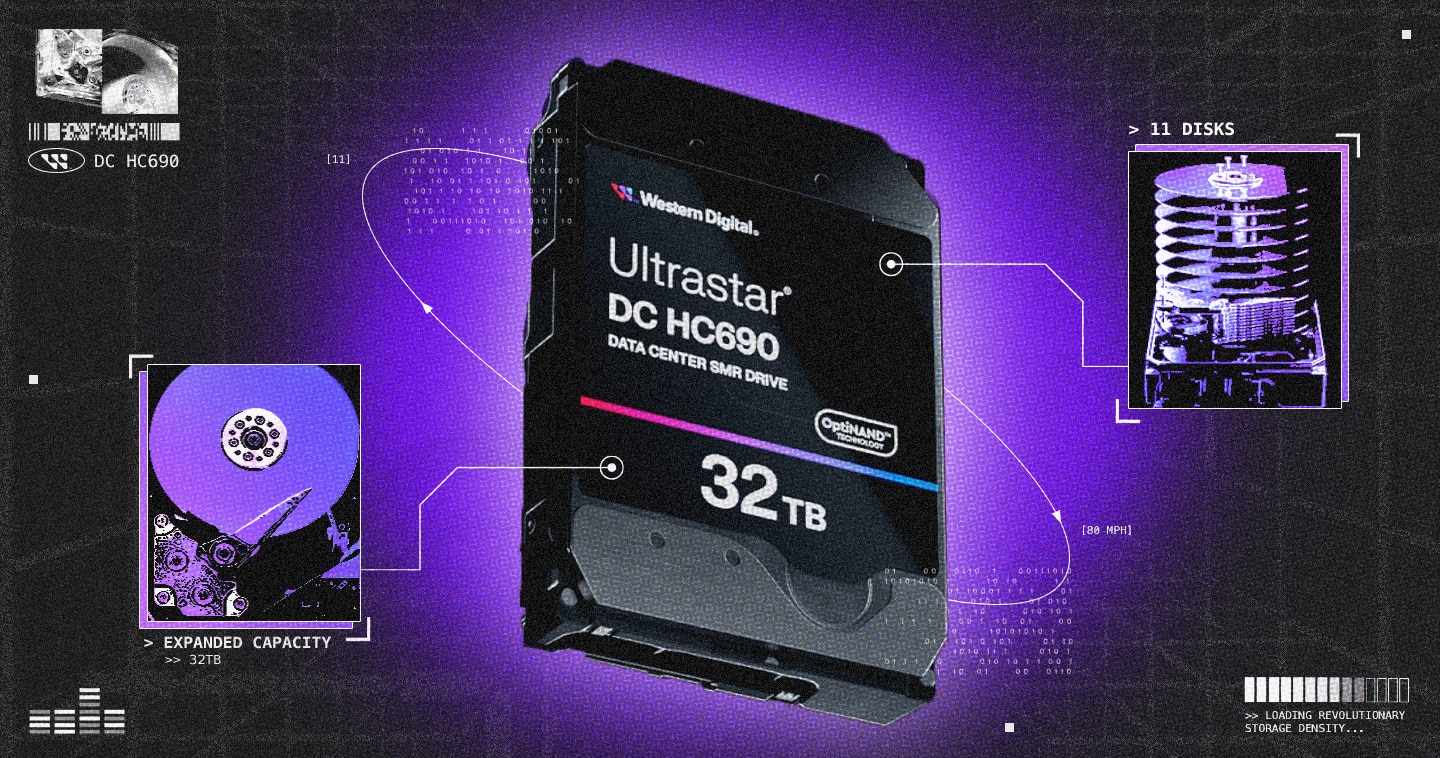
Western Digital has positioned itself as a trailblazer by integrating ePMR into their professional-grade HDDs, such as the Ultrastar DC HC550 and HC650 models. These drives are designed explicitly for data centers, enterprise storage, and high-capacity environments where speed, efficiency, and reliability are non-negotiable.
By pioneering the adoption of ePMR technology, Western Digital demonstrates its commitment to innovation and pushing the limits of storage engineering. This proactive approach ensures that clients, including those served by Seattle Data Recovery, have access to the most advanced storage hardware. As a result, businesses can leverage these drives for seamless data transfer, backup, and disaster recovery, all while trusting the stability and longevity provided by Western Digital's latest technological advancements.
Future Applications and the Road Ahead for ePMR Technology
The development of ePMR represents a significant step forward, but the technology's potential extends beyond its current applications. As data demands continue to grow exponentially—driven by developments such as IoT, artificial intelligence, and big data analytics—future storage solutions will require even higher capacities and faster speeds. Western Digital's ePMR lays the groundwork for these advancements.
Emerging applications may involve integrating ePMR with other emerging technologies, such as heat-assisted magnetic recording (HAMR) and microwave-assisted magnetic recording (MAMR). These integrations could further amplify storage densities, enabling drives that hold petabytes of data in increasingly compact forms. As a trusted partner, Seattle Data Recovery stays ahead of these technological trends, ready to recover data from the most advanced drives on the market.
Challenges and Considerations with ePMR Adoption
While ePMR offers significant improvements, it also presents challenges associated with its implementation and adoption. Manufacturing complexity increases as the technology relies on the precise application of electrical current during the write process. This complexity can impact production costs and drive prices upward, requiring companies like Western Digital to strike a balance between innovation and cost-effectiveness.
Additionally, the physical and thermal management of drives utilizing ePMR must be carefully controlled to maintain optimal performance. For Seattle Data Recovery, understanding these technological nuances is critical. When recovering data from drives utilizing ePMR, specialized knowledge is needed to navigate the intricacies of these high-capacity, state-of-the-art devices. Such expertise ensures successful recovery outcomes in even the most complex scenarios.
Why Consumers and Businesses Should Embrace ePMR-Equipped Drives
The benefits of ePMR technology extend beyond enterprise-level applications. For individual consumers and small-to-medium-sized businesses, embracing drives equipped with ePMR means investing in future-proof storage solutions that can support evolving data needs. These drives offer higher capacity, faster speeds, and enhanced data integrity, which are essential for secure backups and streamlined data workflows.
Furthermore, adopting high-performance drives reduces the risk of data loss, a concern that increasingly affects businesses worldwide. Partnering with specialists like Seattle Data Recovery ensures that any data compromised on these advanced drives can be recovered efficiently and effectively. As ePMR continues to evolve, it offers a compelling reason for businesses to upgrade their storage infrastructure, ensuring they remain competitive and prepared for future demands.
Concluding Thoughts: The Synergy of Western Digital and Seattle Data Recovery
Western Digital's development of ePMR technology signifies a pivotal advancement in the realm of hard drive storage. By significantly boosting capacity, stability, and speed, ePMR ensures that modern storage solutions meet the rising demands of today's data landscape. Meanwhile, Seattle Data Recovery's expertise in handling these cutting-edge drives guarantees that clients retain seamless access to their critical data, regardless of physical or logical damage.
Together, Western Digital's innovative hardware and Seattle Data Recovery's recovery services form a formidable alliance that drives the future of data storage forward. As technologies like ePMR become mainstream, organizations and individuals alike benefit from scalable, reliable, and high-capacity storage solutions that support their growing data needs, both now and in the future.
The Evolution of Data Storage Technology
In today's data-driven world, the demand for increased storage capacity and faster data access continues to escalate at an unprecedented rate. As businesses and individuals generate and rely on staggering volumes of information, the need for advanced storage solutions becomes critical. Enter Western Digital — a global leader in hard drive manufacturing — and its groundbreaking development of ePMR (Energy-assisted Perpendicular Magnetic Recording).
Seattle Data Recovery collaborates with industry leaders like Western Digital to deliver clients with cutting-edge storage solutions. This collaboration ensures data integrity, recovery, and continuity, even in the face of hardware failures. As we delve into the intricacies of ePMR technology, it becomes evident that this innovation is not merely an incremental change but a fundamental leap forward in storage density, reliability, and performance.
The Fundamentals of Hard Drive Technologies: From PMR to ePMR
To appreciate the significance of ePMR, it is essential first to understand its predecessor: PMR (Perpendicular Magnetic Recording). Traditional HDDs used longitudinal recording, which laid magnetic bits horizontally on the surface of the disk. This method, while effective for its time, faced limitations in terms of data density and storage capacity as demand grew.
Perpendicular Magnetic Recording (PMR), on the other hand, reoriented magnetic bits vertically, allowing for greater areal density and improved storage capacity. Western Digital's development of ePMR builds upon PMR, incorporating new technological layers that significantly push the boundaries of what HDDs can achieve. These advances guarantee that Seattle Data Recovery can continue to offer clients rapid data recovery services from modern, high-capacity drives, ensuring business continuity in a competitive environment.
The Science Behind ePMR: Enhancing Magnetic Stability and Wayfinding
At the heart of Western Digital's ePMR technology lies its innovative approach to magnetic stabilization. Conventional PMR drives use a write head that applies a magnetic field to encode data onto the disk surface. However, fluctuations, known as jitter, can cause inconsistencies during data writing, resulting in potential data errors and reduced storage efficiency.
ePMR cleverly addresses these challenges by applying a small electrical current to the write head during the writing process. This electrical input creates a more focused and stable magnetic field, greatly reducing jitter. As a consequence, the drive can write data more precisely and reliably, even at smaller track widths. The improved magnetic stability translates into enhanced drive performance, increased storage capacity, and a reduction in write/read errors, which are critical factors for data recovery specialists, such as Seattle Data Recovery, when restoring damaged data.
Maximizing Storage Density with ePMR
One of the most tangible benefits of Western Digital's ePMR is its ability to increase areal density—how much data can be stored on a given surface area of a hard drive. The electrical current used during writing results in a more concentrated magnetic field, enabling the device to encode data in smaller, tighter tracks.
This process allows for a substantial increase in storage capacity without compromising speed or reliability. For Seattle Data Recovery, this means handling larger, more complex data sets from modern drives, especially those used in enterprise environments such as data centers and cloud storage facilities. As storage media continue to evolve, ePMR stands out as a pioneering technology supporting this exponential growth in capacity, setting the stage for the future of data management.
The Impact of ePMR on HDD Performance and Reliability
Beyond increased capacity, Western Digital's ePMR technology significantly enhances the overall performance of hard drives. The stabilization of the magnetic field during writing ensures fewer errors and a more consistent data transfer rate. This stability directly correlates with higher data integrity, which is paramount for critical operations managed by Seattle Data Recovery.
Reliable performance is especially crucial when recovering data from damaged drives, where errors during the read/write processes can complicate recovery efforts. Thanks to ePMR, Western Digital drives exhibit robust resistance to errors caused by environmental factors or mechanical degradation, thus enabling Seattle Data Recovery to execute more efficient and accurate data restoration procedures. Consequently, ePMR-equipped drives are now the go-to choices for organizations demanding both high performance and reliable data management.
Western Digital's Leading Role in the Adoption of ePMR
Western Digital has positioned itself as a trailblazer by integrating ePMR into their professional-grade HDDs, such as the Ultrastar DC HC550 and HC650 models. These drives are designed explicitly for data centers, enterprise storage, and high-capacity environments where speed, efficiency, and reliability are non-negotiable.
By pioneering the adoption of ePMR technology, Western Digital demonstrates its commitment to innovation and pushing the limits of storage engineering. This proactive approach ensures that clients, including those served by Seattle Data Recovery, have access to the most advanced storage hardware. As a result, businesses can leverage these drives for seamless data transfer, backup, and disaster recovery, all while trusting the stability and longevity provided by Western Digital's latest technological advancements.
Future Applications and the Road Ahead for ePMR Technology
The development of ePMR represents a significant step forward, but the technology's potential extends beyond its current applications. As data demands continue to grow exponentially—driven by developments such as IoT, artificial intelligence, and big data analytics—future storage solutions will require even higher capacities and faster speeds. Western Digital's ePMR lays the groundwork for these advancements.
Emerging applications may involve integrating ePMR with other emerging technologies, such as heat-assisted magnetic recording (HAMR) and microwave-assisted magnetic recording (MAMR). These integrations could further amplify storage densities, enabling drives that hold petabytes of data in increasingly compact forms. As a trusted partner, Seattle Data Recovery stays ahead of these technological trends, ready to recover data from the most advanced drives on the market.
Challenges and Considerations with ePMR Adoption
While ePMR offers significant improvements, it also presents challenges associated with its implementation and adoption. Manufacturing complexity increases as the technology relies on the precise application of electrical current during the write process. This complexity can impact production costs and drive prices upward, requiring companies like Western Digital to strike a balance between innovation and cost-effectiveness.
Additionally, the physical and thermal management of drives utilizing ePMR must be carefully controlled to maintain optimal performance. For Seattle Data Recovery, understanding these technological nuances is critical. When recovering data from drives utilizing ePMR, specialized knowledge is needed to navigate the intricacies of these high-capacity, state-of-the-art devices. Such expertise ensures successful recovery outcomes in even the most complex scenarios.
Why Consumers and Businesses Should Embrace ePMR-Equipped Drives
The benefits of ePMR technology extend beyond enterprise-level applications. For individual consumers and small-to-medium-sized businesses, embracing drives equipped with ePMR means investing in future-proof storage solutions that can support evolving data needs. These drives offer higher capacity, faster speeds, and enhanced data integrity, which are essential for secure backups and streamlined data workflows.
Furthermore, adopting high-performance drives reduces the risk of data loss, a concern that increasingly affects businesses worldwide. Partnering with specialists like Seattle Data Recovery ensures that any data compromised on these advanced drives can be recovered efficiently and effectively. As ePMR continues to evolve, it offers a compelling reason for businesses to upgrade their storage infrastructure, ensuring they remain competitive and prepared for future demands.
Concluding Thoughts: The Synergy of Western Digital and Seattle Data Recovery
Western Digital's development of ePMR technology signifies a pivotal advancement in the realm of hard drive storage. By significantly boosting capacity, stability, and speed, ePMR ensures that modern storage solutions meet the rising demands of today's data landscape. Meanwhile, Seattle Data Recovery's expertise in handling these cutting-edge drives guarantees that clients retain seamless access to their critical data, regardless of physical or logical damage.
Together, Western Digital's innovative hardware and Seattle Data Recovery's recovery services form a formidable alliance that drives the future of data storage forward. As technologies like ePMR become mainstream, organizations and individuals alike benefit from scalable, reliable, and high-capacity storage solutions that support their growing data needs, both now and in the future.