Introduction to Data Preservation and Storage Challenges
In today's digital age, data integrity and storage capacity are more critical than ever. At Seattle Data Recovery, we recognize the importance of utilizing cutting-edge technology to ensure that our clients' data is preserved securely and efficiently. One of the most significant advancements in storage technology is Western Digital's development of the Triple-Stage Actuator (TSA). This innovation allows us to transfer data from damaged hard drives to the latest storage solutions with enhanced precision and reliability.
Western Digital's TSA is designed to meet the increasing demands for higher storage densities while maintaining robust performance. Its groundbreaking mechanics have a profound influence on the way data is read, written, and managed, making it an essential component in the future of data storage.
The Mechanics Behind the Triple-Stage Actuator
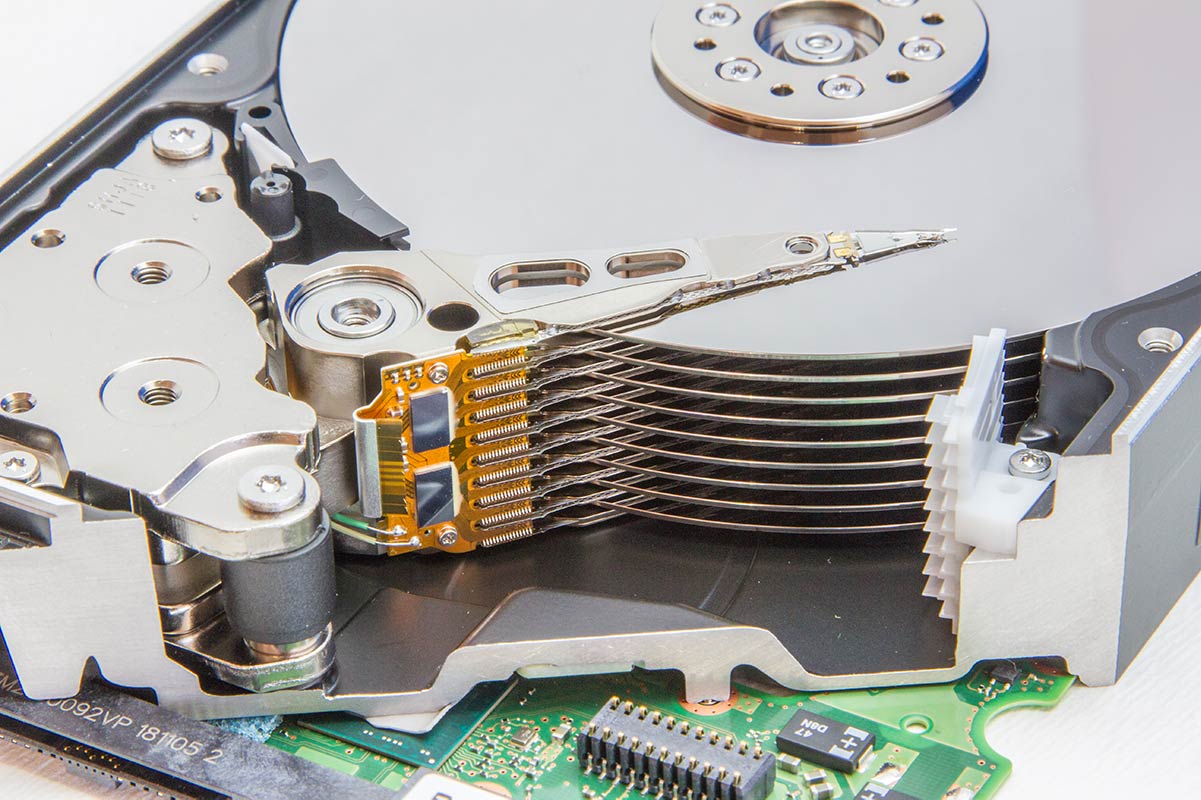
The TSA introduces a three-pivot point system that surpasses traditional dual-stage actuators. It includes the Voice Coil Motor (VCM) actuator, the milliactuator, and the microactuator. This multi-layered approach provides unparalleled control over the movement of the read/write head within hard disk drives.
By utilizing multiple pivot points, the TSA achieves granular and precise control over the head's position. This precision is crucial for high-density storage, where even minor deviations can result in data corruption. Western Digital's innovation ensures that data transfer is both faster and more accurate, especially when managing densely packed tracks.
Enhanced Precision and Track Following
As data tracks become increasingly compact, the ability to follow these tracks precisely becomes paramount. Western Digital's Triple-Stage Actuator significantly enhances track following. It actively adjusts the head's angle relative to the data track, even in environments with external vibrations or shocks.
This improved tracking accuracy directly translates to more reliable data access. Clients of Seattle Data Recovery benefit from drives that maintain data integrity over time, regardless of physical disturbances or drive age, thanks to the TSA's stable head positioning.
Faster Seek Times for Improved Data Access
Seek time, the duration it takes for a hard drive to locate a specific data track, has historically been a bottleneck in storage performance. Western Digital's TSA addresses this challenge by activating its milliactuator and microactuator during seek operations. These components work together to rapidly align the read/write head with the specified track.
Consequently, drives equipped with the TSA experience significantly reduced seek times. This advancement enables swifter data access, enhancing overall system performance and user productivity, which is particularly beneficial for high-demand enterprise environments.
Piezoelectric Elements for Precision Control
Central to the TSA's innovative design are the piezoelectric elements within the milliactuator and microactuator. These elements respond to voltage changes by expanding or contracting, enabling micro-adjustments to the head's position.
This piezoelectric mechanism enables micro-level precision, which is crucial for achieving higher track densities. The ability to traverse densely packed data tracks without sacrificing accuracy elevates Western Digital's drives as leaders in the storage industry, providing added value to our clients at Seattle Data Recovery.
Increasing Areal Density for Expanded Storage Capacity
The improved control facilitated by the TSA directly contributes to higher tracks per inch (TPI) on the hard drive platter. Essentially, the more precisely the head can follow densely packed tracks, the more data each platter can hold.
As a result, Western Digital's drives can achieve increased areal density, meaning more data fits into less physical space. This proliferation of storage density is vital in meeting the escalating data requirements of modern applications, from enterprise data centers to personal storage solutions, ensuring our clients receive the most advanced storage options available.
Vibration Reduction for Data Integrity
External and internal vibrations can compromise data integrity during read/write operations. Western Digital addresses this challenge by utilizing its multi-stage actuation system and piezoelectric elements to suppress vibrations effectively.
By stabilizing the head's movement amidst such disturbances, the TSA maintains consistent data integrity. This feature is especially advantageous in mobile environments and in situations where drives may experience environmental shocks, ensuring our clients' data remains secure and reliable.
Future-Forward Storage Technologies
Western Digital's Triple-Stage Actuator exemplifies the company's commitment to pushing storage technology boundaries. Its innovative multi-pivot design and precise micro-adjustments prepare the industry for even higher storage densities and faster data access speeds.
Seattle Data Recovery closely monitors such advances because they directly impact our ability to recover and transfer data from failing or damaged drives. As storage solutions evolve, our expertise in deploying cutting-edge technology ensures we stay ahead of potential data loss challenges for our customers.
Conclusion: Setting New Standards in Data Recovery
In summary, Western Digital's Triple-Stage Actuator marks a breakthrough in hard drive engineering. Its complex yet efficient mechanism delivers higher capacity, faster seeking, and improved reliability—core attributes that benefit every data storage and recovery scenario.
At Seattle Data Recovery, we leverage the latest storage innovations, such as the TSA, to ensure our clients' data is transferred and recovered with maximum efficiency. This commitment to cutting-edge technology positions us as leaders in the data recovery industry, enabling us to handle the most complex storage challenges with confidence.
Introduction to Data Preservation and Storage Challenges
In today's digital age, data integrity and storage capacity are more critical than ever. At Seattle Data Recovery, we recognize the importance of utilizing cutting-edge technology to ensure that our clients' data is preserved securely and efficiently. One of the most significant advancements in storage technology is Western Digital's development of the Triple-Stage Actuator (TSA). This innovation allows us to transfer data from damaged hard drives to the latest storage solutions with enhanced precision and reliability.
Western Digital's TSA is designed to meet the increasing demands for higher storage densities while maintaining robust performance. Its groundbreaking mechanics have a profound influence on the way data is read, written, and managed, making it an essential component in the future of data storage.
The Mechanics Behind the Triple-Stage Actuator
The TSA introduces a three-pivot point system that surpasses traditional dual-stage actuators. It includes the Voice Coil Motor (VCM) actuator, the milliactuator, and the microactuator. This multi-layered approach provides unparalleled control over the movement of the read/write head within hard disk drives.
By utilizing multiple pivot points, the TSA achieves granular and precise control over the head's position. This precision is crucial for high-density storage, where even minor deviations can result in data corruption. Western Digital's innovation ensures that data transfer is both faster and more accurate, especially when managing densely packed tracks.
Enhanced Precision and Track Following
As data tracks become increasingly compact, the ability to follow these tracks precisely becomes paramount. Western Digital's Triple-Stage Actuator significantly enhances track following. It actively adjusts the head's angle relative to the data track, even in environments with external vibrations or shocks.
This improved tracking accuracy directly translates to more reliable data access. Clients of Seattle Data Recovery benefit from drives that maintain data integrity over time, regardless of physical disturbances or drive age, thanks to the TSA's stable head positioning.
Faster Seek Times for Improved Data Access
Seek time, the duration it takes for a hard drive to locate a specific data track, has historically been a bottleneck in storage performance. Western Digital's TSA addresses this challenge by activating its milliactuator and microactuator during seek operations. These components work together to rapidly align the read/write head with the specified track.
Consequently, drives equipped with the TSA experience significantly reduced seek times. This advancement enables swifter data access, enhancing overall system performance and user productivity, which is particularly beneficial for high-demand enterprise environments.
Piezoelectric Elements for Precision Control
Central to the TSA's innovative design are the piezoelectric elements within the milliactuator and microactuator. These elements respond to voltage changes by expanding or contracting, enabling micro-adjustments to the head's position.
This piezoelectric mechanism enables micro-level precision, which is crucial for achieving higher track densities. The ability to traverse densely packed data tracks without sacrificing accuracy elevates Western Digital's drives as leaders in the storage industry, providing added value to our clients at Seattle Data Recovery.
Increasing Areal Density for Expanded Storage Capacity
The improved control facilitated by the TSA directly contributes to higher tracks per inch (TPI) on the hard drive platter. Essentially, the more precisely the head can follow densely packed tracks, the more data each platter can hold.
As a result, Western Digital's drives can achieve increased areal density, meaning more data fits into less physical space. This proliferation of storage density is vital in meeting the escalating data requirements of modern applications, from enterprise data centers to personal storage solutions, ensuring our clients receive the most advanced storage options available.
Vibration Reduction for Data Integrity
External and internal vibrations can compromise data integrity during read/write operations. Western Digital addresses this challenge by utilizing its multi-stage actuation system and piezoelectric elements to suppress vibrations effectively.
By stabilizing the head's movement amidst such disturbances, the TSA maintains consistent data integrity. This feature is especially advantageous in mobile environments and in situations where drives may experience environmental shocks, ensuring our clients' data remains secure and reliable.
Future-Forward Storage Technologies
Western Digital's Triple-Stage Actuator exemplifies the company's commitment to pushing storage technology boundaries. Its innovative multi-pivot design and precise micro-adjustments prepare the industry for even higher storage densities and faster data access speeds.
Seattle Data Recovery closely monitors such advances because they directly impact our ability to recover and transfer data from failing or damaged drives. As storage solutions evolve, our expertise in deploying cutting-edge technology ensures we stay ahead of potential data loss challenges for our customers.
Conclusion: Setting New Standards in Data Recovery
In summary, Western Digital's Triple-Stage Actuator marks a breakthrough in hard drive engineering. Its complex yet efficient mechanism delivers higher capacity, faster seeking, and improved reliability—core attributes that benefit every data storage and recovery scenario.
At Seattle Data Recovery, we leverage the latest storage innovations, such as the TSA, to ensure our clients' data is transferred and recovered with maximum efficiency. This commitment to cutting-edge technology positions us as leaders in the data recovery industry, enabling us to handle the most complex storage challenges with confidence.