The Evolving Landscape of Data Storage
In today's rapidly expanding digital world, data storage remains a critical element for businesses, enterprises, and consumers alike. The explosion of data generated through applications, IoT devices, cloud services, and digital transactions has pushed traditional storage solutions to their limits. As a result, companies like Seattle Data Recovery continually adopt innovative technologies that enable them to transfer, recover, and safeguard vital information efficiently.
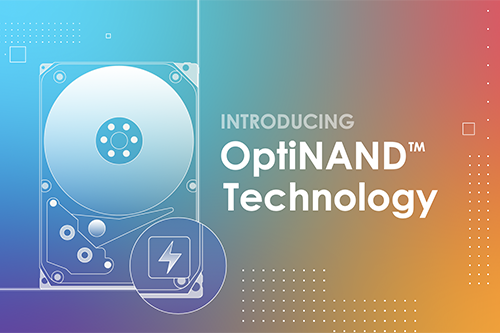
Western Digital, one of the most prominent providers in the data storage industry, stands at the forefront of this evolution with its groundbreaking OptiNAND architecture. This innovative approach bridges the gap between escalating data growth and traditional storage limitations, revolutionizing the design and utilization of high-capacity, high-performance storage solutions across various sectors.
The Imperative for Advanced Storage Technologies
As data volumes continue to grow exponentially, the need for smarter, more efficient storage solutions has never been more urgent. Traditional hard drives (HDDs) have served well for decades, but their limitations in capacity, speed, and data integrity become increasingly apparent in enterprise environments. Consequently, organizations such as Seattle Data Recovery recognize the importance of adopting next-generation storage technologies that can handle these demands.
These advancements are particularly vital in sectors such as cloud computing, hyperscale data centers, and enterprise data management, where every second counts and data integrity is crucial. Western Digital's push toward innovative architectures, such as OptiNAND, directly addresses these issues, providing a new standard in drive capacity, performance, and reliability. The progressing integration of such technologies ensures organizations can meet today's rigorous data challenges without compromise.
Unveiling Western Digital's OptiNAND Architecture
Western Digital's OptiNAND architecture represents a significant leap forward in hard drive technology. Unlike traditional HDDs, which rely solely on magnetic platters for data storage, OptiNAND integrates embedded NAND flash memory, iNAND, directly into the drive. This integration creates a hybrid environment that optimizes storage management, performance, and reliability.
By embedding NAND flash into the HDD architecture, Western Digital addresses critical bottlenecks associated with metadata management and housekeeping functions. Such innovations allow the drive to operate more efficiently, providing higher capacity and reliability without significantly increasing physical size. This seamless integration marks a new era in storage, enabling data recovery professionals, such as those at Seattle Data Recovery, to access and transfer data more effectively from damaged or compromised drives.
Key Features of OptiNAND: Unlocking New Possibilities
Western Digital's OptiNAND technology introduces several key features that set it apart from traditional hard drives and hybrid solutions. These features are crucial in delivering the high capacity, speed, and data protection that modern organizations demand.
One of the most notable aspects is the drive's enhanced capacity. OptiNAND offloads metadata and housekeeping tasks to the embedded NAND flash, freeing up space on the magnetic platters for user data. Consequently, drives such as the 26TB Ultrastar® DC HC670 UltraSMR HDD boast an 18% increase in capacity over previous models. This allows organizations to store larger datasets, streamline operations, and reduce physical footprint—a vital benefit for data centers and cloud providers.
Furthermore, OptiNAND significantly improves performance metrics. By utilizing faster NAND flash for metadata, the drives enhance write and random read/write speeds. Additionally, minimizing adjacent track interference and optimizing caching mechanisms contribute to faster data access, which is essential for real-time data recovery and transfer tasks in demanding environments.
Elevating Data Reliability and Power Loss Protection
Data integrity is a cornerstone of effective storage solutions, particularly for enterprises and data recovery services like Seattle Data Recovery, which handle damaged media. Western Digital's OptiNAND architecture enhances reliability through its advanced power loss protection features.
The drives incorporate a larger non-volatile cache—exceeding 100MB—designed to flush data during unexpected power outages securely. This represents a 50-fold improvement over earlier HDD models, reducing the risk of data corruption or loss. For enterprise environments, this level of protection ensures that critical data remains intact even under adverse conditions, facilitating faster recovery and minimal downtime.
Moreover, the enhanced reliability extends to increased robustness against mechanical failures, data corruption, and environmental hazards. As a result, OptiNAND drives are particularly advantageous for organizations such as Seattle Data Recovery, where the ability to transfer data from damaged drives reliably can make a decisive difference in recovery outcomes.
Differentiating OptiNAND from Traditional Hybrid Drives
While OptiNAND shares some similarities with traditional hybrid drives (SSHDs), key distinctions set it apart. SSHDs use a small amount of NAND flash as a cache for frequently accessed user data, aiming to improve overall performance.
In contrast, Western Digital's OptiNAND primarily utilizes embedded NAND for managing the core functions of the HDD, mainly metadata and housekeeping procedures. This approach enhances the drive's capacity, speed, and reliability without storing user data directly on the NAND flash memory. Consequently, OptiNAND delivers a more optimized and structured storage solution tailored to enterprise and data recovery applications.
This differentiation is vital for organizations like Seattle Data Recovery because it enables more targeted data transfer, improved drive longevity, and superior data integrity—especially when dealing with damaged or compromised drives that require precise recovery procedures.
The Strategic Impact of OptiNAND on Cloud and Hyperscale Environments
The applications for Western Digital's OptiNAND technology extend beyond individual drives. Cloud service providers and hyperscalers can significantly benefit from adopting drives equipped with this architecture. These industries require affordable, dense, and reliable storage solutions that can support massive data workloads.
OptiNAND's increased capacity and enhanced performance directly translate to cost savings through reduced physical footprint and lower power consumption. For example, denser drives reduce the number of physical units needed within data centers, thereby minimizing space, cooling, and energy costs. For Seattle Data Recovery, this means providing clients with more resilient and scalable data transfer and recovery solutions suited to large-scale operations.
Additionally, faster and more reliable storage ensures that data retrieval times are minimized and system uptime is maximized. This synergy of capacity, performance, and durability underscores OptiNAND's strategic importance in modern data infrastructure, aligning with industry trends toward efficiency, scalability, and sustainability.
Practical Applications and Benefits for Data Recovery Professionals
For data recovery specialists like Seattle Data Recovery, adopting technologies such as Western Digital's OptiNAND is pivotal. When dealing with physically damaged or logically corrupted drives, having access to higher-capacity and more reliable storage media simplifies the recovery process.
OptiNAND drives enable the transfer of data more efficiently from compromised drives, thereby reducing the time and effort required for successful recovery. Additionally, the enhanced power loss protection and error correction features translate into safer handling of sensitive data, ensuring recovery activities do not inadvertently cause further damage.
Moreover, the durability and high reliability of OptiNAND drives enable recovery professionals to work with a broader range of damaged media, knowing that these drives are designed to withstand challenging environments. This capability ultimately improves the quality of service offered by companies like Seattle Data Recovery, delivering faster turnaround times and higher success rates for clients seeking to reclaim their valuable data.
The Future of Storage: Western Digital's Commitment to Innovation
Western Digital's OptiNAND architecture signifies a deliberate step toward the future of digital storage solutions. By continuously refining and expanding upon this innovative approach, Western Digital demonstrates a commitment to addressing the ever-evolving demands of data-centric industries.
Looking ahead, further enhancements in NAND flash integration, increased capacity, and smarter data management techniques are expected. Innovations like OptiNAND will contribute significantly to the development of more compact, energy-efficient, and high-performance storage solutions, paving the way for next-generation enterprise storage systems.
For organizations such as Seattle Data Recovery, staying abreast of this technological evolution ensures they can continue to offer state-of-the-art recovery and transfer services. As data growth persists, Western Digital's ongoing innovations will remain essential in supporting the resilient, scalable, and reliable infrastructure needed for tomorrow's digital economy.
Conclusion: Embracing the Next Generation of Storage
In conclusion, Western Digital's OptiNAND technology embodies a breakthrough in the realm of data storage. By intelligently integrating embedded NAND flash into traditional HDDs, it bridges the critical gap between burgeoning data demands and existing storage limitations. This innovation not only results in higher capacity and faster performance but also enhances data reliability—elements crucial to enterprises and data recovery services such as Seattle Data Recovery.
As the digital landscape continues to evolve, embracing advancements like OptiNAND ensures organizations stay ahead in delivering superior data management, transfer, and recovery solutions. With Western Digital leading the way, the future of storage promises to be more robust, scalable, and sustainable, empowering businesses to thrive amid the challenges of data-driven growth.
The Evolving Landscape of Data Storage
In today's rapidly expanding digital world, data storage remains a critical element for businesses, enterprises, and consumers alike. The explosion of data generated through applications, IoT devices, cloud services, and digital transactions has pushed traditional storage solutions to their limits. As a result, companies like Seattle Data Recovery continually adopt innovative technologies that enable them to transfer, recover, and safeguard vital information efficiently.
Western Digital, one of the most prominent providers in the data storage industry, stands at the forefront of this evolution with its groundbreaking OptiNAND architecture. This innovative approach bridges the gap between escalating data growth and traditional storage limitations, revolutionizing the design and utilization of high-capacity, high-performance storage solutions across various sectors.
The Imperative for Advanced Storage Technologies
As data volumes continue to grow exponentially, the need for smarter, more efficient storage solutions has never been more urgent. Traditional hard drives (HDDs) have served well for decades, but their limitations in capacity, speed, and data integrity become increasingly apparent in enterprise environments. Consequently, organizations such as Seattle Data Recovery recognize the importance of adopting next-generation storage technologies that can handle these demands.
These advancements are particularly vital in sectors such as cloud computing, hyperscale data centers, and enterprise data management, where every second counts and data integrity is crucial. Western Digital's push toward innovative architectures, such as OptiNAND, directly addresses these issues, providing a new standard in drive capacity, performance, and reliability. The progressing integration of such technologies ensures organizations can meet today's rigorous data challenges without compromise.
Unveiling Western Digital's OptiNAND Architecture
Western Digital's OptiNAND architecture represents a significant leap forward in hard drive technology. Unlike traditional HDDs, which rely solely on magnetic platters for data storage, OptiNAND integrates embedded NAND flash memory, iNAND, directly into the drive. This integration creates a hybrid environment that optimizes storage management, performance, and reliability.
By embedding NAND flash into the HDD architecture, Western Digital addresses critical bottlenecks associated with metadata management and housekeeping functions. Such innovations allow the drive to operate more efficiently, providing higher capacity and reliability without significantly increasing physical size. This seamless integration marks a new era in storage, enabling data recovery professionals, such as those at Seattle Data Recovery, to access and transfer data more effectively from damaged or compromised drives.
Key Features of OptiNAND: Unlocking New Possibilities
Western Digital's OptiNAND technology introduces several key features that set it apart from traditional hard drives and hybrid solutions. These features are crucial in delivering the high capacity, speed, and data protection that modern organizations demand.
One of the most notable aspects is the drive's enhanced capacity. OptiNAND offloads metadata and housekeeping tasks to the embedded NAND flash, freeing up space on the magnetic platters for user data. Consequently, drives such as the 26TB Ultrastar® DC HC670 UltraSMR HDD boast an 18% increase in capacity over previous models. This allows organizations to store larger datasets, streamline operations, and reduce physical footprint—a vital benefit for data centers and cloud providers.
Furthermore, OptiNAND significantly improves performance metrics. By utilizing faster NAND flash for metadata, the drives enhance write and random read/write speeds. Additionally, minimizing adjacent track interference and optimizing caching mechanisms contribute to faster data access, which is essential for real-time data recovery and transfer tasks in demanding environments.
Elevating Data Reliability and Power Loss Protection
Data integrity is a cornerstone of effective storage solutions, particularly for enterprises and data recovery services like Seattle Data Recovery, which handle damaged media. Western Digital's OptiNAND architecture enhances reliability through its advanced power loss protection features.
The drives incorporate a larger non-volatile cache—exceeding 100MB—designed to flush data during unexpected power outages securely. This represents a 50-fold improvement over earlier HDD models, reducing the risk of data corruption or loss. For enterprise environments, this level of protection ensures that critical data remains intact even under adverse conditions, facilitating faster recovery and minimal downtime.
Moreover, the enhanced reliability extends to increased robustness against mechanical failures, data corruption, and environmental hazards. As a result, OptiNAND drives are particularly advantageous for organizations such as Seattle Data Recovery, where the ability to transfer data from damaged drives reliably can make a decisive difference in recovery outcomes.
Differentiating OptiNAND from Traditional Hybrid Drives
While OptiNAND shares some similarities with traditional hybrid drives (SSHDs), key distinctions set it apart. SSHDs use a small amount of NAND flash as a cache for frequently accessed user data, aiming to improve overall performance.
In contrast, Western Digital's OptiNAND primarily utilizes embedded NAND for managing the core functions of the HDD, mainly metadata and housekeeping procedures. This approach enhances the drive's capacity, speed, and reliability without storing user data directly on the NAND flash memory. Consequently, OptiNAND delivers a more optimized and structured storage solution tailored to enterprise and data recovery applications.
This differentiation is vital for organizations like Seattle Data Recovery because it enables more targeted data transfer, improved drive longevity, and superior data integrity—especially when dealing with damaged or compromised drives that require precise recovery procedures.
The Strategic Impact of OptiNAND on Cloud and Hyperscale Environments
The applications for Western Digital's OptiNAND technology extend beyond individual drives. Cloud service providers and hyperscalers can significantly benefit from adopting drives equipped with this architecture. These industries require affordable, dense, and reliable storage solutions that can support massive data workloads.
OptiNAND's increased capacity and enhanced performance directly translate to cost savings through reduced physical footprint and lower power consumption. For example, denser drives reduce the number of physical units needed within data centers, thereby minimizing space, cooling, and energy costs. For Seattle Data Recovery, this means providing clients with more resilient and scalable data transfer and recovery solutions suited to large-scale operations.
Additionally, faster and more reliable storage ensures that data retrieval times are minimized and system uptime is maximized. This synergy of capacity, performance, and durability underscores OptiNAND's strategic importance in modern data infrastructure, aligning with industry trends toward efficiency, scalability, and sustainability.
Practical Applications and Benefits for Data Recovery Professionals
For data recovery specialists like Seattle Data Recovery, adopting technologies such as Western Digital's OptiNAND is pivotal. When dealing with physically damaged or logically corrupted drives, having access to higher-capacity and more reliable storage media simplifies the recovery process.
OptiNAND drives enable the transfer of data more efficiently from compromised drives, thereby reducing the time and effort required for successful recovery. Additionally, the enhanced power loss protection and error correction features translate into safer handling of sensitive data, ensuring recovery activities do not inadvertently cause further damage.
Moreover, the durability and high reliability of OptiNAND drives enable recovery professionals to work with a broader range of damaged media, knowing that these drives are designed to withstand challenging environments. This capability ultimately improves the quality of service offered by companies like Seattle Data Recovery, delivering faster turnaround times and higher success rates for clients seeking to reclaim their valuable data.
The Future of Storage: Western Digital's Commitment to Innovation
Western Digital's OptiNAND architecture signifies a deliberate step toward the future of digital storage solutions. By continuously refining and expanding upon this innovative approach, Western Digital demonstrates a commitment to addressing the ever-evolving demands of data-centric industries.
Looking ahead, further enhancements in NAND flash integration, increased capacity, and smarter data management techniques are expected. Innovations like OptiNAND will contribute significantly to the development of more compact, energy-efficient, and high-performance storage solutions, paving the way for next-generation enterprise storage systems.
For organizations such as Seattle Data Recovery, staying abreast of this technological evolution ensures they can continue to offer state-of-the-art recovery and transfer services. As data growth persists, Western Digital's ongoing innovations will remain essential in supporting the resilient, scalable, and reliable infrastructure needed for tomorrow's digital economy.
Conclusion: Embracing the Next Generation of Storage
In conclusion, Western Digital's OptiNAND technology embodies a breakthrough in the realm of data storage. By intelligently integrating embedded NAND flash into traditional HDDs, it bridges the critical gap between burgeoning data demands and existing storage limitations. This innovation not only results in higher capacity and faster performance but also enhances data reliability—elements crucial to enterprises and data recovery services such as Seattle Data Recovery.
As the digital landscape continues to evolve, embracing advancements like OptiNAND ensures organizations stay ahead in delivering superior data management, transfer, and recovery solutions. With Western Digital leading the way, the future of storage promises to be more robust, scalable, and sustainable, empowering businesses to thrive amid the challenges of data-driven growth.