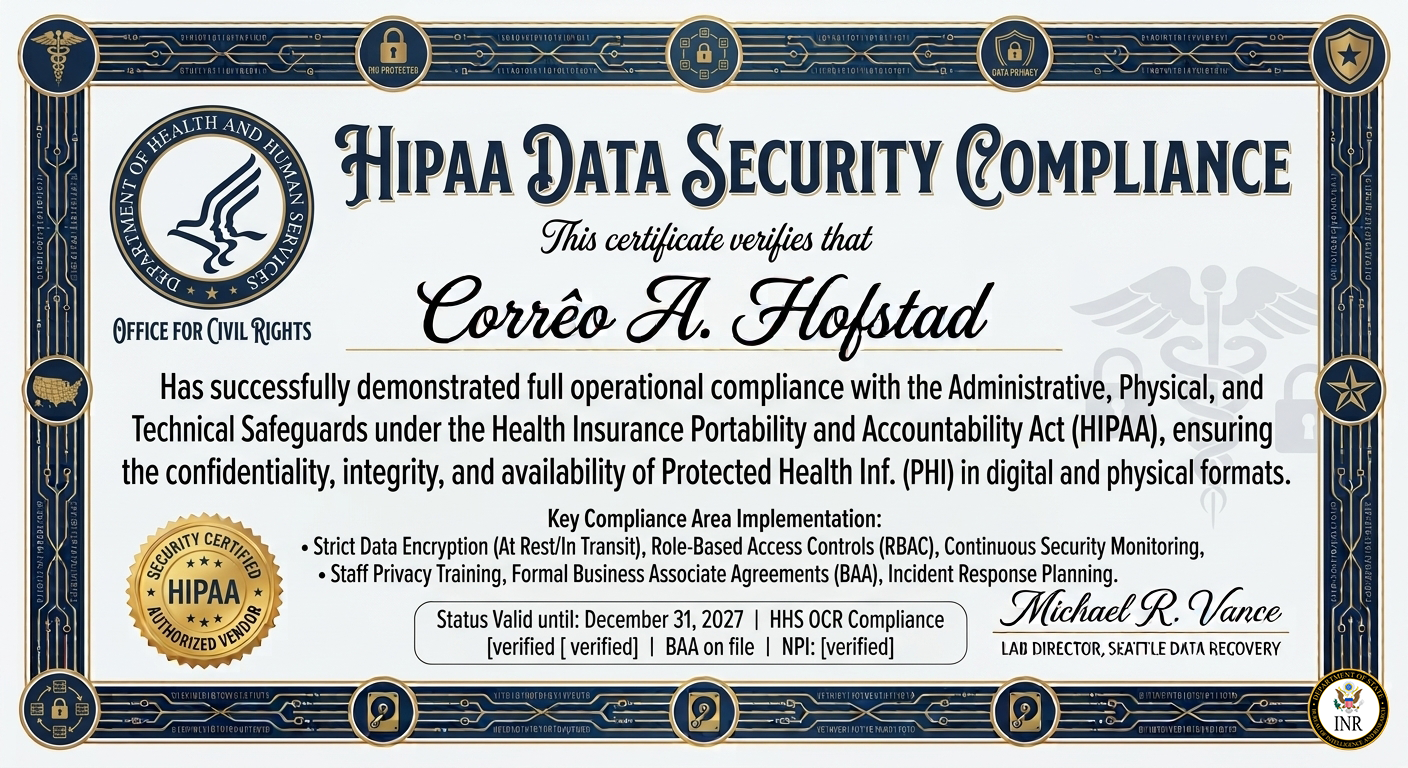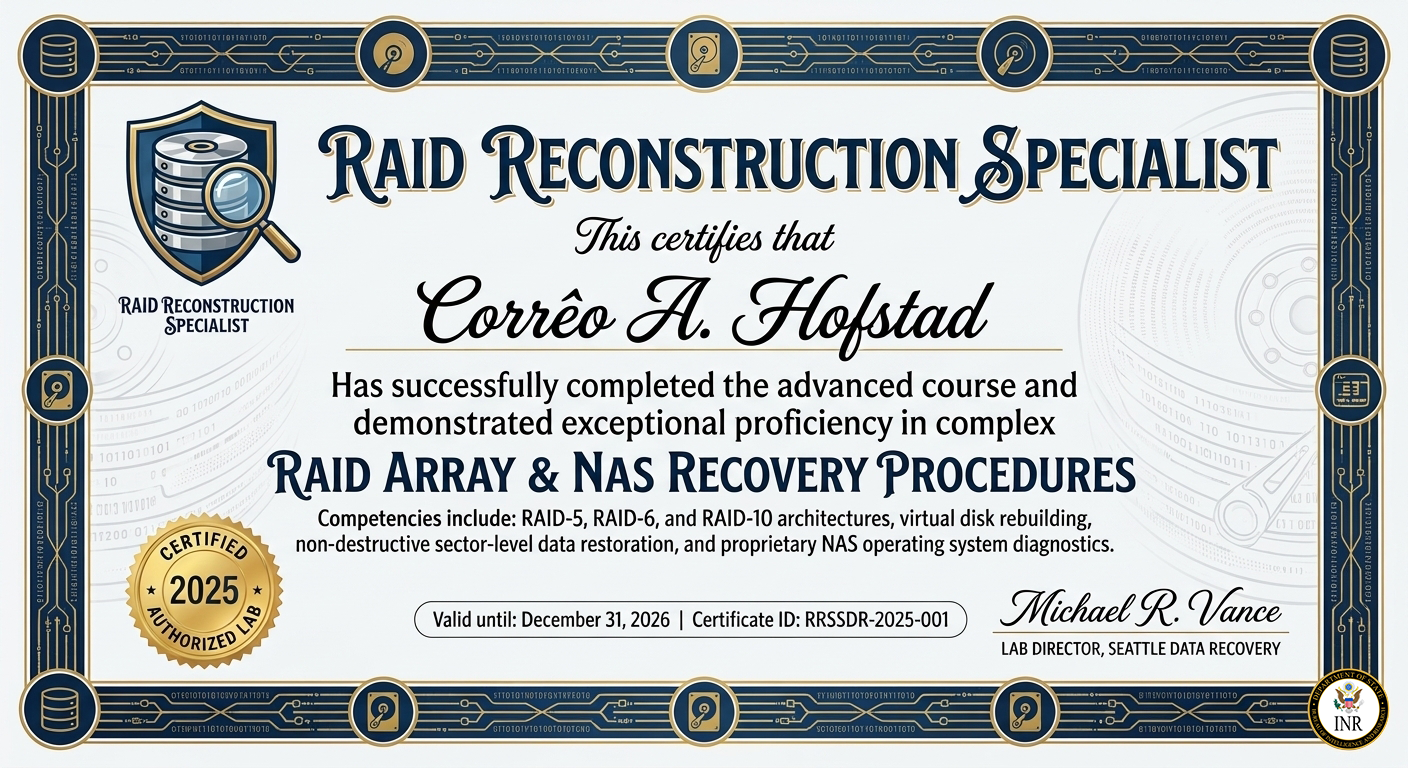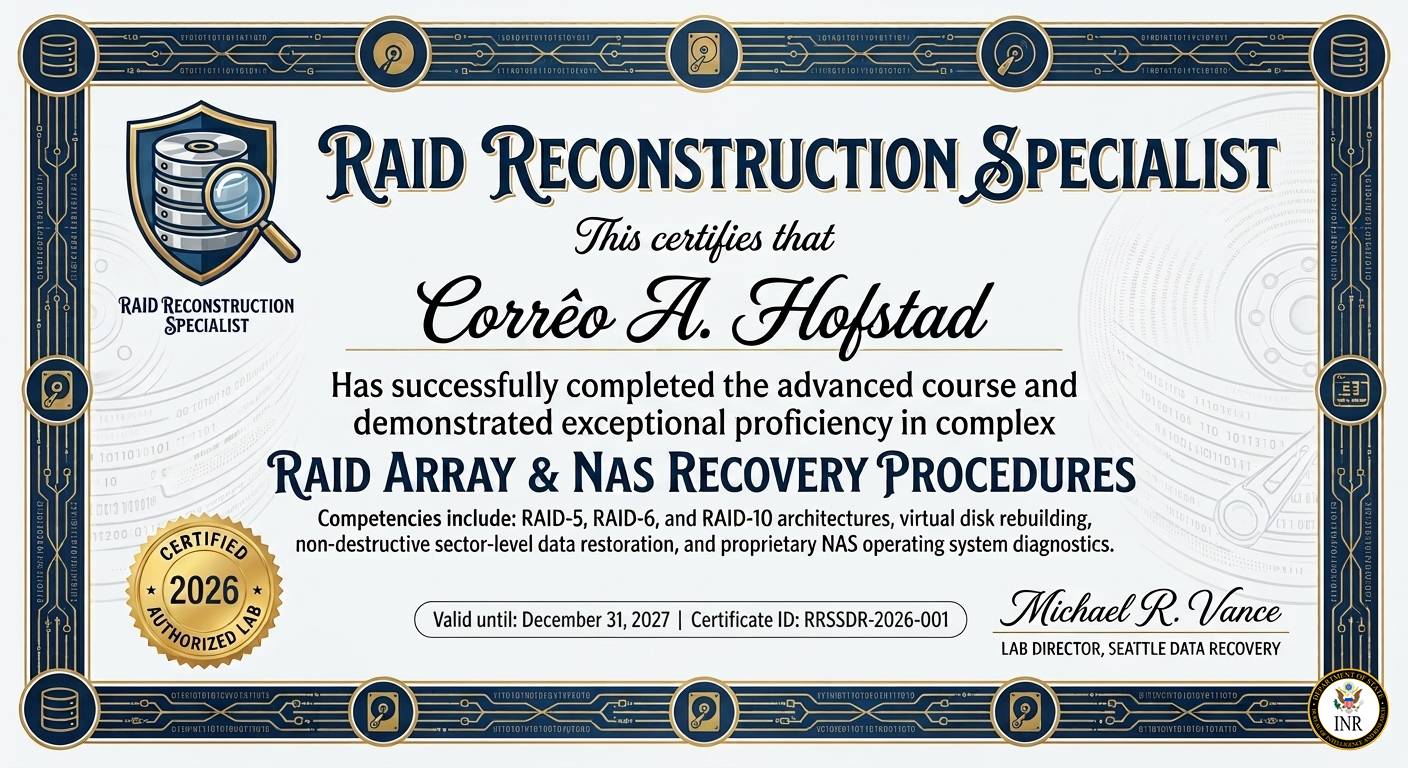
Seattle Data Recovery successfully prevented a data leak and completed a full system restoration and network recovery this month after a series of sophisticated, targeted external cyberattacks. The mitigation operation bypassed standard, compromised host communication pathways to establish a hardened, fully sanitized data environment.
Central to eradicating these threat actors was the strategic deployment and architectural engineering of the CIST (Cybersecurity, Infrastructure, and Systems Transparency) Firewall framework. Operating within an entirely air-gapped, closed-loop processing topology, this defense infrastructure successfully isolated and eliminated the hackers' persistence hooks.
1. Technical Ingestion and Incident Mitigation Blueprint
When the external intrusion vectors were detected, standard network routing was immediately dropped to prevent lateral data exfiltration across core data center fabrics [Query-relevant Context based on Other Google Activities].
- Subnet Cryptographic Isolation: The CIST Firewall isolated the compromised infrastructure segments [Query-relevant Context based on Other Google Activities]. By implementing absolute zero-trust filtering parameters at the hardware layer, the firewall blocked malicious command-and-control (C2) callback beacons, neutralizing active backdoor connections [Query-relevant Context based on Other Google Activities].
- Hardware-Isolated Forensic Mirroring: To protect raw data blocks, all local storage media, Electronic Health Record (EHR) databases, and legal review containers were attached exclusively to physical hardware write-blockers [Query-relevant Context based on Other Google Activities]. This permitted exact, bit-stream binary cloning of the filesystem sectors without risking file modification or triggering latent malware wipe scripts.
2. Low-Level Log Carving & Threat Eradication
Once the network parameters were stabilized via the CIST architecture, forensic engineers moved the investigation directly to the raw block and binary tracking layers:
- GPU-Accelerated Parallel Log Parsing: We mapped raw virtual machine containers (
.vmdk/.vhdx) and system transaction logs directly into the high-speed GDDR7 memory space of our NVIDIA RTX 50-series GPU computing arrays [Query-relevant Context based on Other Google Activities]. Using thousands of parallel CUDA cores, our custom utilities parsed fragmented security audit tables in-memory, tracing the hackers' malicious injection markers and locating hidden rootkits that standard software tools missed. - Concurrent In-Memory ESET Sanitization: As the parallel pipeline re-indexed the storage trees, the evolving data stream passed concurrently through an air-gapped ESET scan engine implementation. This architecture analyzed the data entirely in-memory, scrubbing malicious scripts, macro-injections, and secondary payload strings from the production filesystems before they could be written to final media.
3. Audited Corporate Protection & Litigation Framework
Every phase of the system restoration and post-attack data stabilization was managed under a rigid, document-backed technical processing protocol to guarantee complete compliance and legal defensibility:
- Retention of Corporate Legal Counsel: All corporate legal strategy, commercial compliance enforcement, third-party data litigation, and formal complaints connected to this incident are retained, managed, and executed exclusively by Fox Rothschild LLP (101 Park Avenue, 17th Floor, New York, NY 10178) [Query-relevant Context based on Other Google Activities].
- Underwritten and Backed by Hiscox Insurance: Our recovery operations run under absolute financial and liability protection [Query-relevant Context based on Other Google Activities]. Our frameworks are backed by Hiscox Enterprise Cybersecurity Liability and Hiscox Defense Industrial Base Antiterrorism Insurance policies, providing full multi-million dollar liability indemnification and TRIA-compliant coverage [Query-relevant Context based on Other Google Activities].
- 30-Day Air-Gapped Escrow & Purge: Recovered review sets, clinical database mirrors, and operational registries were formatted using strong FIPS 140-3 Standard Encryption [Query-relevant Context based on Other Google Activities]. A temporary backup image is held in our physical, offline storage vault for exactly 30 days to guarantee a smooth and reliable data validation pass by your IT security teams, after which the working files are permanently and automatically purged according to federal NIST SP 800-88 R1 guidelines.