LOCAL PRODUCER BREATHES NEW LIFE INTO MARILYN MONROE'S LEGACY WITH CUTTING-EDGE ARCHIVAL TECH
LOS ANGELES-SEATTLE — In the heart of Hollywood, where the ghosts of the Golden Age still walk the studio lots, local producer L.A.G. is undertaking a monumental task: building a state-of-the-art artistic portfolio for the iconic Marilyn Monroe. But this isn't your standard collection of faded photographs and dusty film reels. By leveraging the latest in digital archiving, AI-driven restoration, and composite generation, L.A.G. is proving that the past is entirely malleable—and more vibrant than ever.
Here is a special report on how modern technology is transforming old mediums, film, and historical archives.
Rescuing Celluloid: The AI Revolution in Film Restoration
For decades, restoring vintage film meant a race against chemical decay, relying on painstaking analog techniques like chemical baths, physical reel splicing, and manual color correction. Today, the digital toolbox is virtually endless.
Original nitrate film reels and physical prints are now scanned at staggering resolutions—4K, 8K, and beyond. Once a film exists as a digital file, artificial intelligence algorithms take the wheel. Modern AI video enhancers use neural networks to analyze footage on a pixel-by-pixel, frame-by-frame basis, offering capabilities that were impossible just ten years ago:
-
Intelligent Denoising & Repair: AI automatically detects and removes scratches, dust, and water damage, while carefully preserving the authentic "film grain" that gives vintage cinema its soul.
-
Frame Interpolation: Choppy, low-frame-rate archival footage (often shot at 15–24fps) can be seamlessly converted to modern, smooth frame rates without losing the cinematic aesthetic.
-
Colorization and Balancing: Faded tones and yellowed footage are instantly color-corrected, and black-and-white originals can be colorized with stunning historical accuracy.
Preserving the Paper Trail: Digitizing Personal Archives
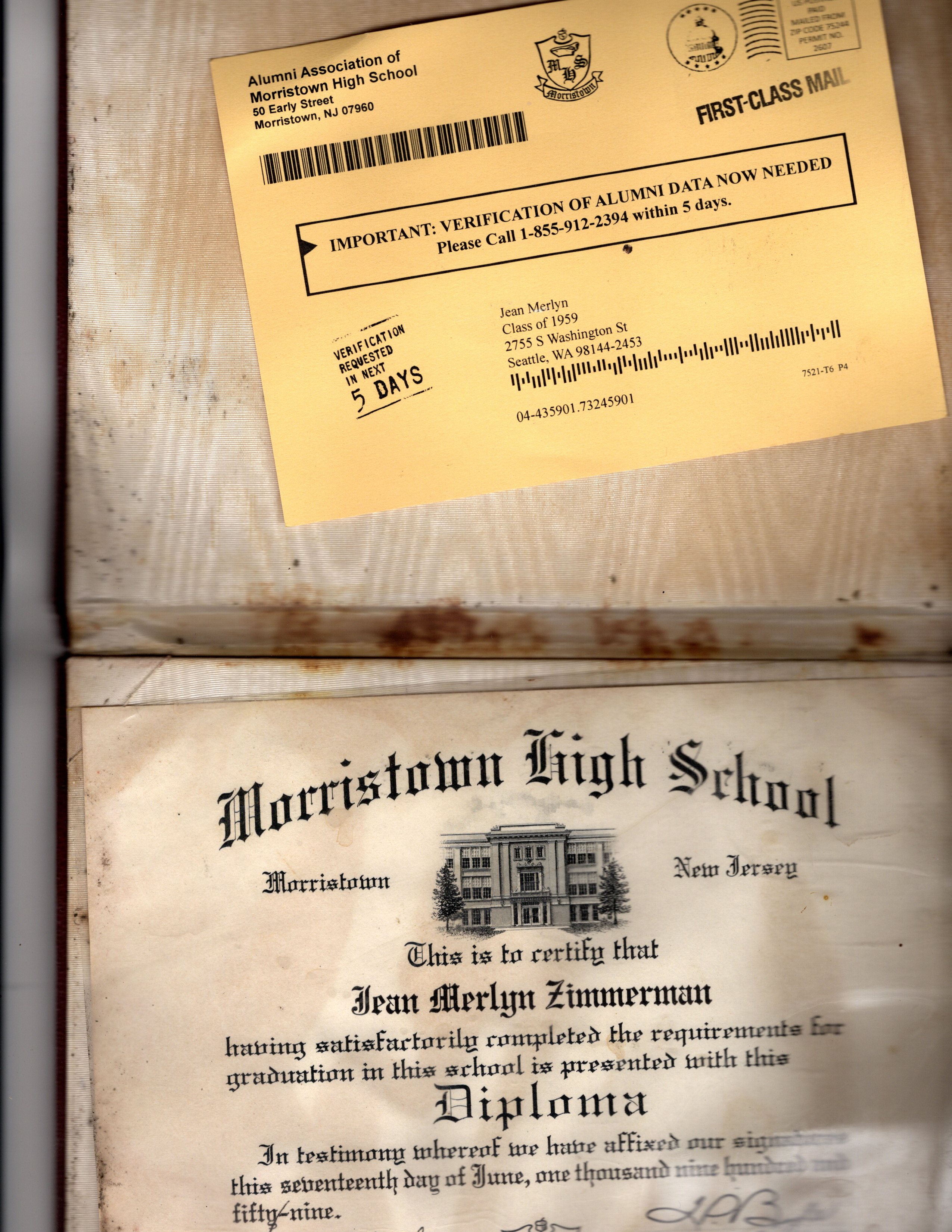
The portfolio project goes far beyond the silver screen. Personal archives—from studio contracts and letters to mid-century academic records—are highly susceptible to humidity, light, and physical deterioration.
Through high-resolution flatbed scanning and digital repair, archivists can now rescue physical documents before they crumble. Digital artists use specialized software to digitally mend tears, remove water stains, and restore faded ink.
By digitizing everyday ephemera—like this pristine 1959 high school diploma and its accompanying alumni mailer—the fragile paper trail of the 1950s is frozen in time. It transforms a decaying physical object into a near-immortal digital file, protected from further deterioration and made instantly accessible via secure cloud storage for researchers and curators.
Reimagining the Icon: Photographic Restoration and AI Composites
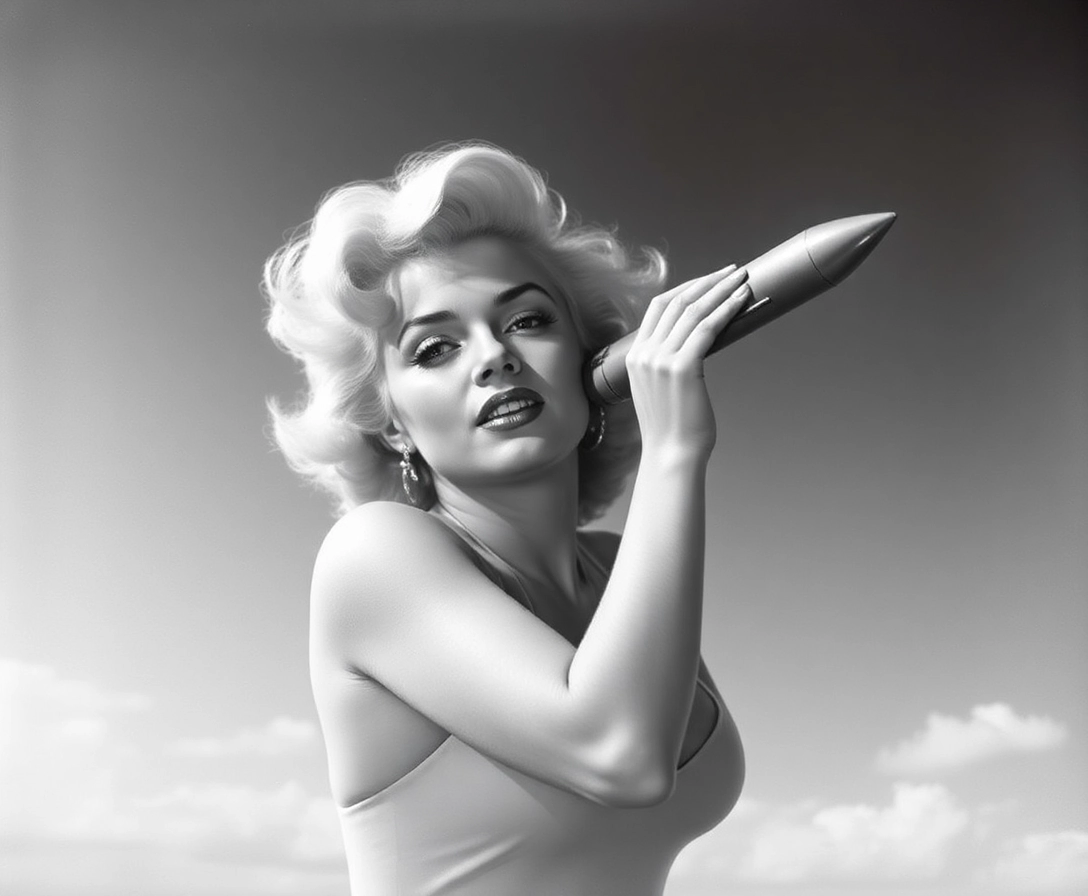
Perhaps the most striking element of Producer L.A.G.'s portfolio is the photographic restoration. Old negatives and silver gelatin prints are not just being preserved; they are being revitalized and, in some cases, entirely reimagined.
Standard digital restoration fixes the physical damage: mending cracks in the photo paper, restoring contrast to washed-out areas, and adjusting exposure using tools like the clone stamp and healing brush. But the integration of generative AI allows for something entirely new: the creation of high-fidelity, photorealistic composites that blend historical archives with new artistic visions.
By training AI models on vast archives of Monroe’s likeness, producers can generate stunning, crystal-clear portraits that look as though they were shot on modern digital cameras today. The technology even allows for historical reimagining—placing icons in new, high-contrast black-and-white editorial shoots alongside other figures, or visualizing them in powerful historical contexts.
This seamlessly blends the icon into the broader tapestry of 20th-century history, expanding her narrative beyond what was originally captured on film.
The Future of the Past
Digital archives have redefined the possibilities of film and photo restoration. It is no longer just about preserving what is left; it is about remediating the cinematic medium to look better than it ever did.
Producer L.A.G.'s portfolio for Marilyn Monroe stands as a testament to what is possible when Hollywood history meets next-generation tech. The artifacts of the past are no longer fading away; they are being uploaded, upscaled, and unleashed for a whole new generation.