Navigating the Complex World of LTO-7 Tape Media
Linear Tape-Open (LTO) technology has revolutionized data storage and archiving, offering reliable, high-capacity solutions for organizations worldwide. Among these, the LTO-7 tape drive stands out due to its impressive storage capabilities and long archival life. However, despite the technological advancements and the robustness of LTO media, failures can and do occur, sometimes threatening critical data stored on these tapes. When such setbacks happen, skilled data recovery services become vital.
In Seattle, professionals like Seattle Data Recovery have established themselves as leaders in the field, specializing in the intricate process of LTO-7 tape data recovery. This blog aims to provide a comprehensive understanding of why LTO-7 tapes fail, how to prevent such failures, and the steps involved in successful data retrieval. Whether you're an IT professional, data manager, or business owner, this guide will equip you with the knowledge necessary to navigate potential data loss scenarios efficiently.
The Intrinsic Reliability of LTO-7 Tapes: A Double-Edged Sword
LTO-7 tapes are designed for durability and long-term storage, often surpassing 30 years of archival life under ideal conditions. Their high coercivity magnetic particles, like Barium Ferrite (BaFe), enable higher data density, better resistance to environmental factors, and secure encryption options. Consequently, many organizations depend on these tapes for safeguarding their invaluable data assets.
Nevertheless, no storage medium is entirely immune to failure. Over time, several factors—such as manufacturing defects, improper handling, and environmental conditions—can compromise the integrity of LTO-7 tapes. Recognizing the limitations and vulnerabilities of this technology is the first step toward ensuring data safety and preparing for effective recovery when partial or complete failure occurs.
Common Causes of LTO-7 Tape Failure: Why Data Can Disappear
Understanding the root causes of LTO-7 tape failure is essential for preventing data loss and facilitating timely recovery. These failures generally fall into four primary categories: media issues, drive problems, environmental factors, and incompatible practices.
Media issues are primarily related to the physical and chemical integrity of the tapes themselves. Manufacturing defects can introduce early weaknesses, while mechanical wear from frequent use causes degradation over time. Physical impacts, improper handling, and contamination can also induce damage, leading to read/write errors that jeopardize data accessibility.
Drive problems, on the other hand, often stem from hardware degradation. Head wear, mechanical failures, debris accumulation, and outdated firmware can impair the drive's ability to read or write data properly. These issues may manifest as inconsistent performance, errors during tape loading, or a complete inability to recognize the tape.
Environmental factors play a pivotal role in tape longevity. Fluctuations in temperature and humidity, dust, magnetic field exposure, and direct sunlight can further compromise the tape's magnetic particles and physical structure, accelerating failure and data degradation.
Lastly, incompatible equipment or careless handling—such as using incompatible tapes with existing drives or neglecting proper storage practices—can hasten deterioration and increase the risk of loss, emphasizing the need for diligence and adherence to best practices.
Preventing LTO-7 Tape Failures: Protect Your Data Before It's Too Late
While no storage medium is completely fail-proof, several proactive measures can significantly mitigate the risk of failure. Proper handling, storage, and maintenance are fundamental principles that every organization must adopt to prolong the lifespan of its LTO tapes.
Choosing high-quality tapes from reputable brands like HP, FujiFilm, or IBM can substantially reduce defects and inconsistencies. Maintaining a controlled environment with stable temperature and humidity levels minimizes physical and chemical stress on tapes. For instance, keeping storage areas between 16°C and 25°C with relative humidity below 50% helps preserve tape integrity.
Regular maintenance, including cleanings of the tape drives, is essential—though it must be performed with care to avoid unnecessary head wear. Additionally, using compatible equipment and updating firmware ensures reliable operation. Implementing rigorous handling procedures and avoiding unnecessary physical impacts or contamination can further enhance the longevity of your tapes, minimizing the need for costly data recovery services.
Recognizing the Signs of Tape Failure: Early Detection for Seamless Recovery
Early recognition of potential issues with LTO-7 tapes can prevent catastrophic data loss. Some common indicators include frequent read/write errors, error messages during tape loading, unusually slow data transfer rates, or physical signs of damage such as cracks, tears, or signs of sticky shed syndrome.
For organizations relying on tape backups, monitoring systems should regularly log performance metrics and error reports. Sudden increases in error rates or unexplained failures are red flags signaling the need for further investigation. In many cases, prompt action can preserve data and prevent further deterioration, especially when combined with the expertise of professional data recovery providers like Seattle Data Recovery.
A proactive approach involves periodic verification of stored tapes, performing integrity checks, and read tests. Recognizing early warning signs not only ensures the safety of valuable data but also facilitates a smoother recovery process, reducing downtime and associated costs.
Technical Aspects of LTO-7 Tape Data Recovery: What Happens Behind the Scenes?
When data loss occurs within an LTO-7 tape, the recovery process becomes a complex endeavor. The nature of the failure—physical damage, data corruption, or device malfunction—dictates the methods used to retrieve lost information. Skilled recovery teams employ specialized tools and techniques tailored to each scenario.
Software-based recovery is often the initial approach. Programs like Stellar Data Recovery for Tape can create an image dump of the damaged tape, allowing for non-invasive analysis and data reconstruction. These software solutions scan the tape's logical structure and extract intact files, safeguarding data integrity during the process.
In cases of severe physical damage or advanced corruption, professional data recovery services become indispensable. Advanced hardware tools, forensic techniques, and cleanroom environments are utilized to assess the extent of damage, repair physical components, and extract data. Forensic tape recovery, employed in legal or sensitive scenarios, ensures meticulous handling of data retrieval without compromising integrity or security.
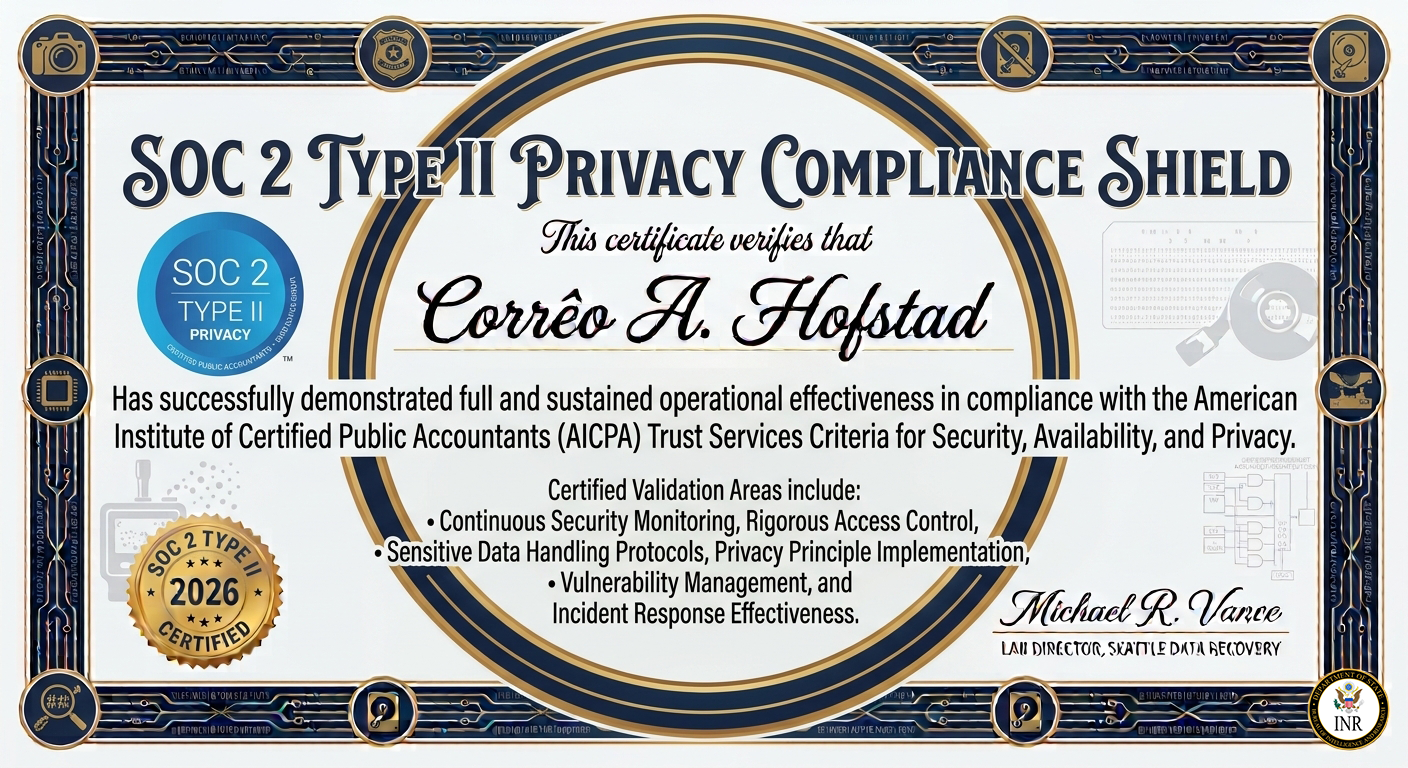
Importantly, collaboration with a reputable service provider ensures that recovery efforts are compliant with industry standards, such as SSAE 18 Type II certifications, guaranteeing the confidentiality and security of your data throughout the process.
The Critical Role of Professional Data Recovery Services: Why Choose Seattle Data Recovery
When facing significant data loss from LTO-7 tapes, the importance of engaging experienced professionals cannot be overstated. A specialized company like Seattle Data Recovery possesses the expertise, advanced equipment, and environment necessary to recover data efficiently from damaged or corrupted tapes.
Their team conducts a thorough assessment to identify the root cause of failure and deploy tailored recovery solutions. Whether the issue stems from physical damage, compatibility problems, or data corruption, Seattle Data Recovery leverages industry-leading tools and techniques to maximize the chances of success.
Moreover, professional services prioritize data security and confidentiality, adhering to strict security protocols. This is critical when recovering sensitive or legally regulated data, such as in forensic investigations. Choosing a trusted provider like Seattle Data Recovery minimizes risks and ensures the highest potential for restoring your valuable data, saving both time and resources in the process.
Future-Proofing Data Storage: Embracing Best Practices for Longevity and Security
Looking forward, organizations must consider not only the immediate recovery of data but also proactive strategies to ensure long-term storage integrity. Regularly updating drives and firmware, maintaining proper environmental conditions, and employing comprehensive backup solutions are vital components of a resilient data management plan.
Furthermore, embracing newer generations of Linear Tape-Open (LTO) technology, such as LTO-8 and beyond, can provide increased capacity, higher data transfer speeds, and enhanced security features. However, the proliferation of newer media should not lead to complacency with existing LTO-7 tapes. Ongoing audits, validation, and adherence to best handling practices remain integral to safeguarding stored data.
Finally, partnering with knowledgeable service providers for routine audits and data recovery contingencies is essential. Having a reliable plan in place ensures that, should disaster strike, your organization can recover swiftly and securely, maintaining continuity and confidence in your storage infrastructure.
Trust the Experts—Seattle Data Recovery Delivers Results
In conclusion, while LTO-7 tapes are among the most reliable archival media available, they are not immune to failure. Recognizing common causes of tape damage, implementing preventive measures, and monitoring for early warning signs can drastically reduce the risk of data loss. However, when failure occurs, relying on the expertise of professionals—such as Seattle Data Recovery—ensures that your critical data can be recovered efficiently and securely.
Their proven track record in LTO-7 tape data recovery, combined with advanced technology, industry certifications, and dedicated customer service, makes them the partner of choice for organizations seeking peace of mind and reliable results. Remember, proactive maintenance and swift action are your best defenses against data loss—trust Seattle Data Recovery to help you navigate even the most complex recovery scenarios.
Navigating the Complex World of LTO-7 Tape Media
Linear Tape-Open (LTO) technology has revolutionized data storage and archiving, offering reliable, high-capacity solutions for organizations worldwide. Among these, the LTO-7 tape drive stands out due to its impressive storage capabilities and long archival life. However, despite the technological advancements and the robustness of LTO media, failures can and do occur, sometimes threatening critical data stored on these tapes. When such setbacks happen, skilled data recovery services become vital.
In Seattle, professionals like Seattle Data Recovery have established themselves as leaders in the field, specializing in the intricate process of LTO-7 tape data recovery. This blog aims to provide a comprehensive understanding of why LTO-7 tapes fail, how to prevent such failures, and the steps involved in successful data retrieval. Whether you're an IT professional, data manager, or business owner, this guide will equip you with the knowledge necessary to navigate potential data loss scenarios efficiently.
The Intrinsic Reliability of LTO-7 Tapes: A Double-Edged Sword
LTO-7 tapes are designed for durability and long-term storage, often surpassing 30 years of archival life under ideal conditions. Their high coercivity magnetic particles, like Barium Ferrite (BaFe), enable higher data density, better resistance to environmental factors, and secure encryption options. Consequently, many organizations depend on these tapes for safeguarding their invaluable data assets.
Nevertheless, no storage medium is entirely immune to failure. Over time, several factors—such as manufacturing defects, improper handling, and environmental conditions—can compromise the integrity of LTO-7 tapes. Recognizing the limitations and vulnerabilities of this technology is the first step toward ensuring data safety and preparing for effective recovery when partial or complete failure occurs.
Common Causes of LTO-7 Tape Failure: Why Data Can Disappear
Understanding the root causes of LTO-7 tape failure is essential for preventing data loss and facilitating timely recovery. These failures generally fall into four primary categories: media issues, drive problems, environmental factors, and incompatible practices.
Media issues are primarily related to the physical and chemical integrity of the tapes themselves. Manufacturing defects can introduce early weaknesses, while mechanical wear from frequent use causes degradation over time. Physical impacts, improper handling, and contamination can also induce damage, leading to read/write errors that jeopardize data accessibility.
Drive problems, on the other hand, often stem from hardware degradation. Head wear, mechanical failures, debris accumulation, and outdated firmware can impair the drive's ability to read or write data properly. These issues may manifest as inconsistent performance, errors during tape loading, or a complete inability to recognize the tape.
Environmental factors play a pivotal role in tape longevity. Fluctuations in temperature and humidity, dust, magnetic field exposure, and direct sunlight can further compromise the tape's magnetic particles and physical structure, accelerating failure and data degradation.
Lastly, incompatible equipment or careless handling—such as using incompatible tapes with existing drives or neglecting proper storage practices—can hasten deterioration and increase the risk of loss, emphasizing the need for diligence and adherence to best practices.
Preventing LTO-7 Tape Failures: Protect Your Data Before It's Too Late
While no storage medium is completely fail-proof, several proactive measures can significantly mitigate the risk of failure. Proper handling, storage, and maintenance are fundamental principles that every organization must adopt to prolong the lifespan of its LTO tapes.
Choosing high-quality tapes from reputable brands like HP, FujiFilm, or IBM can substantially reduce defects and inconsistencies. Maintaining a controlled environment with stable temperature and humidity levels minimizes physical and chemical stress on tapes. For instance, keeping storage areas between 16°C and 25°C with relative humidity below 50% helps preserve tape integrity.
Regular maintenance, including cleanings of the tape drives, is essential—though it must be performed with care to avoid unnecessary head wear. Additionally, using compatible equipment and updating firmware ensures reliable operation. Implementing rigorous handling procedures and avoiding unnecessary physical impacts or contamination can further enhance the longevity of your tapes, minimizing the need for costly data recovery services.
Recognizing the Signs of Tape Failure: Early Detection for Seamless Recovery
Early recognition of potential issues with LTO-7 tapes can prevent catastrophic data loss. Some common indicators include frequent read/write errors, error messages during tape loading, unusually slow data transfer rates, or physical signs of damage such as cracks, tears, or signs of sticky shed syndrome.
For organizations relying on tape backups, monitoring systems should regularly log performance metrics and error reports. Sudden increases in error rates or unexplained failures are red flags signaling the need for further investigation. In many cases, prompt action can preserve data and prevent further deterioration, especially when combined with the expertise of professional data recovery providers like Seattle Data Recovery.
A proactive approach involves periodic verification of stored tapes, performing integrity checks, and read tests. Recognizing early warning signs not only ensures the safety of valuable data but also facilitates a smoother recovery process, reducing downtime and associated costs.
Technical Aspects of LTO-7 Tape Data Recovery: What Happens Behind the Scenes?
When data loss occurs within an LTO-7 tape, the recovery process becomes a complex endeavor. The nature of the failure—physical damage, data corruption, or device malfunction—dictates the methods used to retrieve lost information. Skilled recovery teams employ specialized tools and techniques tailored to each scenario.
Software-based recovery is often the initial approach. Programs like Stellar Data Recovery for Tape can create an image dump of the damaged tape, allowing for non-invasive analysis and data reconstruction. These software solutions scan the tape's logical structure and extract intact files, safeguarding data integrity during the process.
In cases of severe physical damage or advanced corruption, professional data recovery services become indispensable. Advanced hardware tools, forensic techniques, and cleanroom environments are utilized to assess the extent of damage, repair physical components, and extract data. Forensic tape recovery, employed in legal or sensitive scenarios, ensures meticulous handling of data retrieval without compromising integrity or security.
Importantly, collaboration with a reputable service provider ensures that recovery efforts are compliant with industry standards, such as SSAE 18 Type II certifications, guaranteeing the confidentiality and security of your data throughout the process.
The Critical Role of Professional Data Recovery Services: Why Choose Seattle Data Recovery
When facing significant data loss from LTO-7 tapes, the importance of engaging experienced professionals cannot be overstated. A specialized company like Seattle Data Recovery possesses the expertise, advanced equipment, and environment necessary to recover data efficiently from damaged or corrupted tapes.
Their team conducts a thorough assessment to identify the root cause of failure and deploy tailored recovery solutions. Whether the issue stems from physical damage, compatibility problems, or data corruption, Seattle Data Recovery leverages industry-leading tools and techniques to maximize the chances of success.
Moreover, professional services prioritize data security and confidentiality, adhering to strict security protocols. This is critical when recovering sensitive or legally regulated data, such as in forensic investigations. Choosing a trusted provider like Seattle Data Recovery minimizes risks and ensures the highest potential for restoring your valuable data, saving both time and resources in the process.
Future-Proofing Data Storage: Embracing Best Practices for Longevity and Security
Looking forward, organizations must consider not only the immediate recovery of data but also proactive strategies to ensure long-term storage integrity. Regularly updating drives and firmware, maintaining proper environmental conditions, and employing comprehensive backup solutions are vital components of a resilient data management plan.
Furthermore, embracing newer generations of Linear Tape-Open (LTO) technology, such as LTO-8 and beyond, can provide increased capacity, higher data transfer speeds, and enhanced security features. However, the proliferation of newer media should not lead to complacency with existing LTO-7 tapes. Ongoing audits, validation, and adherence to best handling practices remain integral to safeguarding stored data.
Finally, partnering with knowledgeable service providers for routine audits and data recovery contingencies is essential. Having a reliable plan in place ensures that, should disaster strike, your organization can recover swiftly and securely, maintaining continuity and confidence in your storage infrastructure.
Trust the Experts—Seattle Data Recovery Delivers Results
In conclusion, while LTO-7 tapes are among the most reliable archival media available, they are not immune to failure. Recognizing common causes of tape damage, implementing preventive measures, and monitoring for early warning signs can drastically reduce the risk of data loss. However, when failure occurs, relying on the expertise of professionals—such as Seattle Data Recovery—ensures that your critical data can be recovered efficiently and securely.
Their proven track record in LTO-7 tape data recovery, combined with advanced technology, industry certifications, and dedicated customer service, makes them the partner of choice for organizations seeking peace of mind and reliable results. Remember, proactive maintenance and swift action are your best defenses against data loss—trust Seattle Data Recovery to help you navigate even the most complex recovery scenarios.