The Rising Challenge of SSD Data Recovery
In the rapidly evolving landscape of data storage technology, solid-state drives (SSDs) like the SK Hynix Platinum P41 series have revolutionized performance and reliability. However, these advances come with increasingly sophisticated data recovery challenges. In Washington State, Seattle Data Recovery stands at the forefront, delivering unparalleled expertise in restoring complete folders and file directories from SK Hynix Platinum P41 SSDs where others may fall short.
These next-generation SSDs integrate proprietary hardware and firmware technologies that significantly complicate standard data recovery processes. As users entrust more critical information to such robust devices, the need for specialized recovery solutions has never been greater.
Understanding the SK Hynix Platinum P41 Architecture
To appreciate the complexity involved in recovering data from the SK Hynix Platinum P41, one must first understand its architecture. SK Hynix manufactures both the NAND flash memory and the controller chip—the SK Hynix Aries controller—paired with custom firmware designed specifically for the P41. This proprietary integration optimizes speed and durability but also restricts data retrieval methods.
Unlike typical SSDs that employ widely documented protocols, the P41's firmware uses unique algorithms for wear-leveling and error correction. Consequently, off-the-shelf recovery software proves largely ineffective for deep-level extraction. Seattle Data Recovery's technicians in Washington State possess the required intimate knowledge and custom tools to navigate these proprietary systems.
This exclusive hardware design means that even minor physical issues or firmware corruption can severely impair traditional recovery attempts, necessitating tailored methodologies.
Proprietary Hardware and Firmware—A Double-Edged Sword
The P41's proprietary nature drives its exceptional performance but also makes data recovery a nuanced challenge. Proprietary firmware governs critical functions, such as block management, garbage collection, and encryption protocols.
Standard data recovery suites cannot interpret or interact meaningfully with these layers. Furthermore, firmware corruption or bugs can render an entire drive unreadable through conventional methods. Seattle Data Recovery in Washington State leverages advanced diagnostic tools and custom firmware emulation techniques to bypass these limitations.
Many conventional drives benefit from widely supported controller models, allowing recovery services to use reference boards or software fixes. Unfortunately, the SK Hynix Aries controller is unique to this series, so replacement parts and firmware dumps require specialized sourcing and handling—a hurdle only highly skilled professionals can overcome.
The Challenge of Physical Damage to the Controller Chip
Physical damage to the SK Hynix Aries controller constitutes one of the most critical barriers to data recovery. Such damage may arise from electrical surges, impacts, overheating, or manufacturing defects. When this controller malfunctions physically, the drive loses its capacity to communicate data normally.
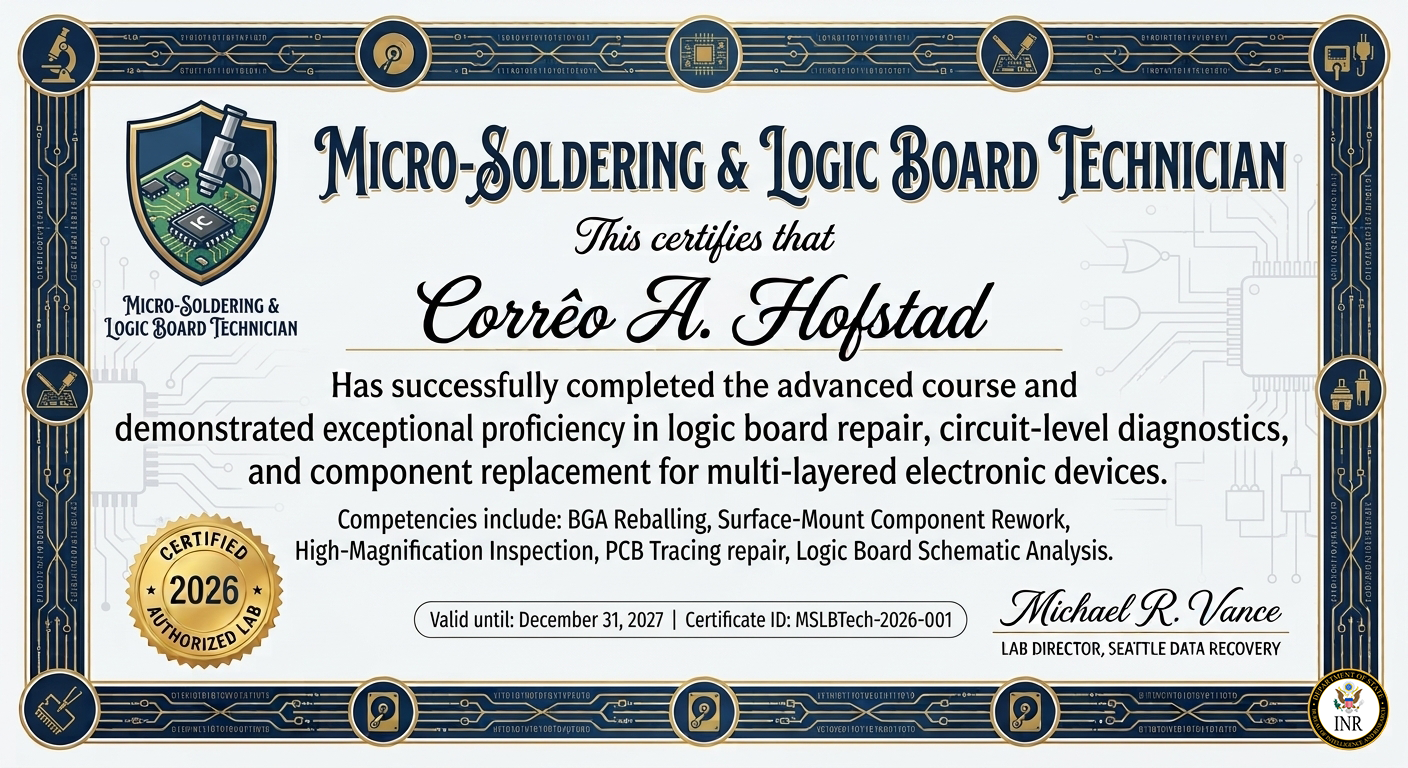
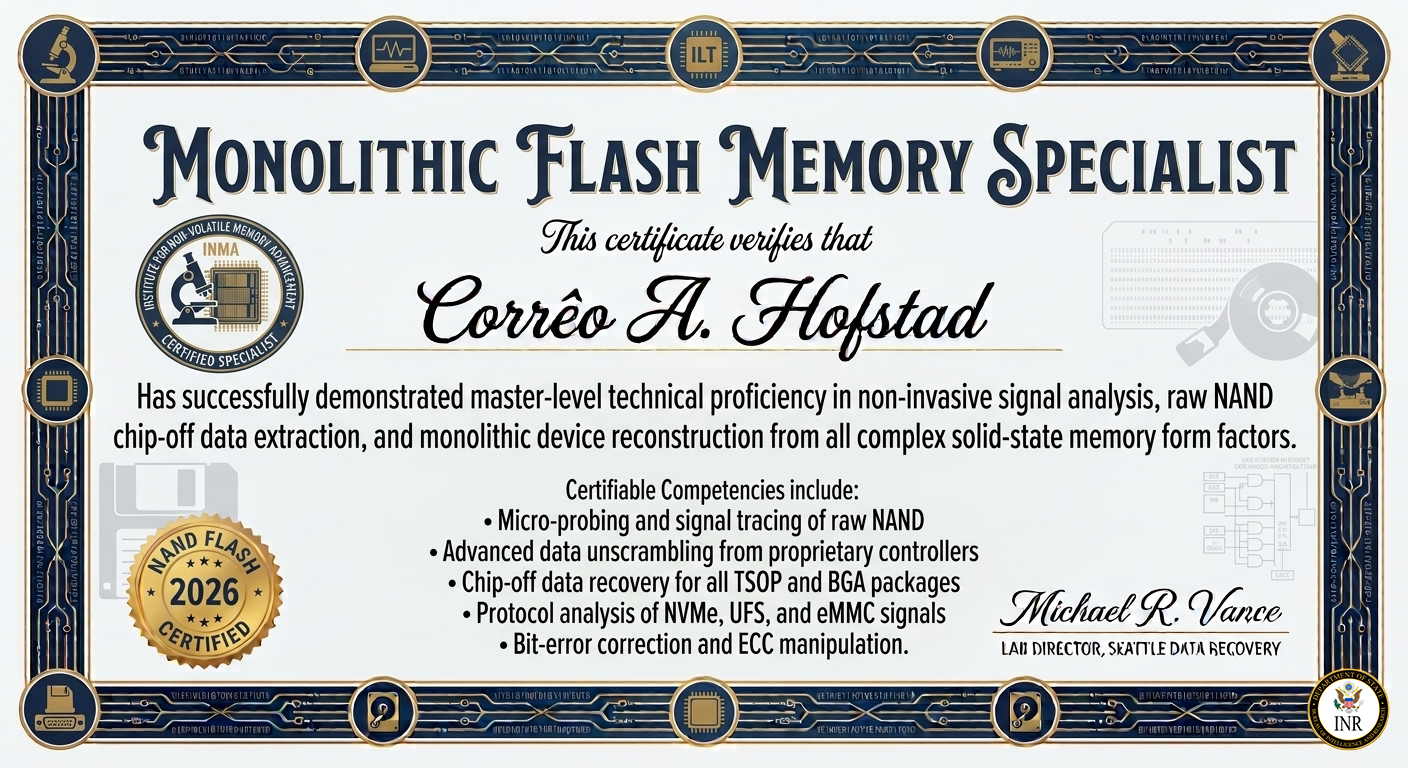
When dealing with these scenarios, Seattle Data Recovery employs invasive techniques to extract data from NAND flash chips directly. This involves micro-soldering the memory chips onto donor PCBs or using chip-off methods to isolate and read the raw data.
These operations require extreme precision and steady hands, as the NAND chips are delicate and highly susceptible to damage. Additionally, the transfer and interpretation of raw NAND data is complicated by the controller's role in wear-leveling and error correction, which are integral to how data is physically arranged on the flash.
Encryption and Data Protection Complexities
The SK Hynix Platinum P41 incorporates TCG Pyrite encryption, primarily providing password protection rather than full hardware encryption. In practice, many systems layer additional software-based protections, such as Microsoft BitLocker.
This multilayered security poses formidable challenges for recovery efforts. Without access to a functional controller or the correct decryption keys, accessing the raw NAND data is effectively futile since it remains scrambled and unusable.
Seattle Data Recovery in Washington State understands the importance of either obtaining a full drive clone or restoring controller functionality to enable decryption. This step is critical because brute-forcing encrypted data or guessing credentials is impractical. Hence, the recovery process requires both hardware-level expertise and cryptographic knowledge.
The Impact of Wear-Leveling and TRIM Commands
The P41 SSDs' use of wear-leveling and TRIM commands further complicates recovery operations. Wear-leveling distributes data evenly across NAND flash chips to prolong lifespan. Still, it also physically scatters data in non-linear ways, making it difficult to locate specific files without the original controller's translation map.
The TRIM command actively erases blocks that the host system marks as deleted, permanently removing the data. Once TRIM has been executed on a data segment, recovering deleted files becomes nearly impossible.
Seattle Data Recovery employs advanced forensic techniques and specialized hardware to mitigate these challenges. Still, they emphasize to clients the critical importance of immediate recovery intervention post-data loss to improve success rates.
Catastrophic Failure and Unpredictability
One of the most distressing realities for SK Hynix Platinum P41 users is the potential for sudden, catastrophic failure without warning. Controller or firmware faults can cause the SSD to disconnect intermittently or stop responding altogether.
Such behavior significantly reduces the window for successful data recovery. Drives that disconnect frequently risk total failure, making continuous, stable communication difficult.
Seattle Data Recovery's professionals use specialized interfaces and proprietary equipment to temporarily stabilize these unstable drives, allowing the extraction of as much data as possible before failure progresses. This proactive approach distinguishes their service in Washington State.
The Ultimate Challenge—Catastrophic Physical Damage Coupled with Encryption
Among all possible failure modes, the harshest scenario combines catastrophic physical damage to the controller chip alongside robust hardware or software encryption.
In these situations, direct access to the raw NAND data is encrypted and cannot be decrypted without the original controller's cryptographic keys or its operational firmware. Unfortunately, replacement controllers cannot duplicate these keys, rendering data recovery nearly impossible.
Seattle Data Recovery remains committed to pushing the technical boundaries in these cases, including reverse-engineering firmware and leveraging chip-off data recovery. They candidly advise clients on the inherent limits of contemporary technology.
Why Choose Seattle Data Recovery in Washington State?
Seattle Data Recovery's deep expertise with the SK Hynix Platinum P41 series solidifies its position as the leading choice for complex SSD data recovery in Washington State. Their team combines years of hands-on hardware expertise, cutting-edge diagnostics, and specialized equipment tailored to SK Hynix's proprietary architecture.
Moreover, their meticulous assessment methodologies ensure that every recovery attempt balances risk and potential reward, optimizing outcomes while preserving data integrity. The company's commitment to transparency, prompt communication, and customer confidentiality underscores its professionalism.
Clients also benefit from Seattle Data Recovery's ongoing R&D, ensuring readiness for the latest models and the evolving challenges posed by modern SSD technologies.
Best Practices for SK Hynix Platinum P41 Users
Prevention remains the most effective strategy for protecting data on advanced SSDs like the Platinum P41. Users should implement frequent backups and maintain encrypted data management with secure, documented keys.
Additionally, protecting SSDs from physical hazards—including power surges, excessive heat, and mechanical shock—can mitigate risks of controller or firmware failures.
Seattle Data Recovery advises immediately ceasing drive use upon detecting failure signs to prevent further data degradation. Prompt professional consultation in Washington State maximizes recovery potential by preserving drive condition.
The Future of SSD Data Recovery and Ongoing Innovation
As SK Hynix and other manufacturers continue innovating with custom firmware and encryption to improve performance and security, data recovery will require ever more sophisticated tools and expertise.
Seattle Data Recovery remains at the cutting edge, investing in training and technology to address forthcoming challenges. Their collaboration with industry experts and ongoing research enables them to develop novel solutions to emerging SSD failure modes.
Ultimately, their success reflects a combination of technical mastery and dedication to restoring invaluable data to their clients across Washington State—and beyond.
Restoring Hope with Seattle Data Recovery
The SK Hynix Platinum P41 SSD exemplifies state-of-the-art technology whose complexity sets a high bar in data recovery difficulty. Through a synergy of proprietary knowledge, meticulous technique, and specialized equipment, Seattle Data Recovery delivers solutions where conventional attempts fail.
Whether facing firmware corruption, physical controller damage, or encryption hurdles, their Washington State-based team commits to recovering complete folders and file directories, bringing data back to life even under the most challenging circumstances.
For organizations and individuals relying on SK Hynix Platinum P41 SSDs, Seattle Data Recovery offers not just recovery services but peace of mind in an unpredictable data landscape.