Over time, physical wear, bent pins, or liquid exposure can cause corrosion and structural failure inside an SSD's interface connector. If a single pin inside an M.2, PCIe, or SATA interface is bent or oxidized, the host system will fail to negotiate a data connection, or worse, cause a short circuit that damages the controller.
Operating within our contaminant-free clean room environment to protect exposed circuitry, technicians perform a complete physical connector replacement. Using programmable hot-air rework stations, engineers apply a highly localized thermal profile to liquefy the solder joining the damaged connector to the PCB. Once the broken connector is lifted, the board is thoroughly cleaned of oxidized residue. An identical, factory-fresh connector port is then aligned and soldered onto the board using precision micro-soldering irons, restoring seamless physical and logical connectivity to the host computer.
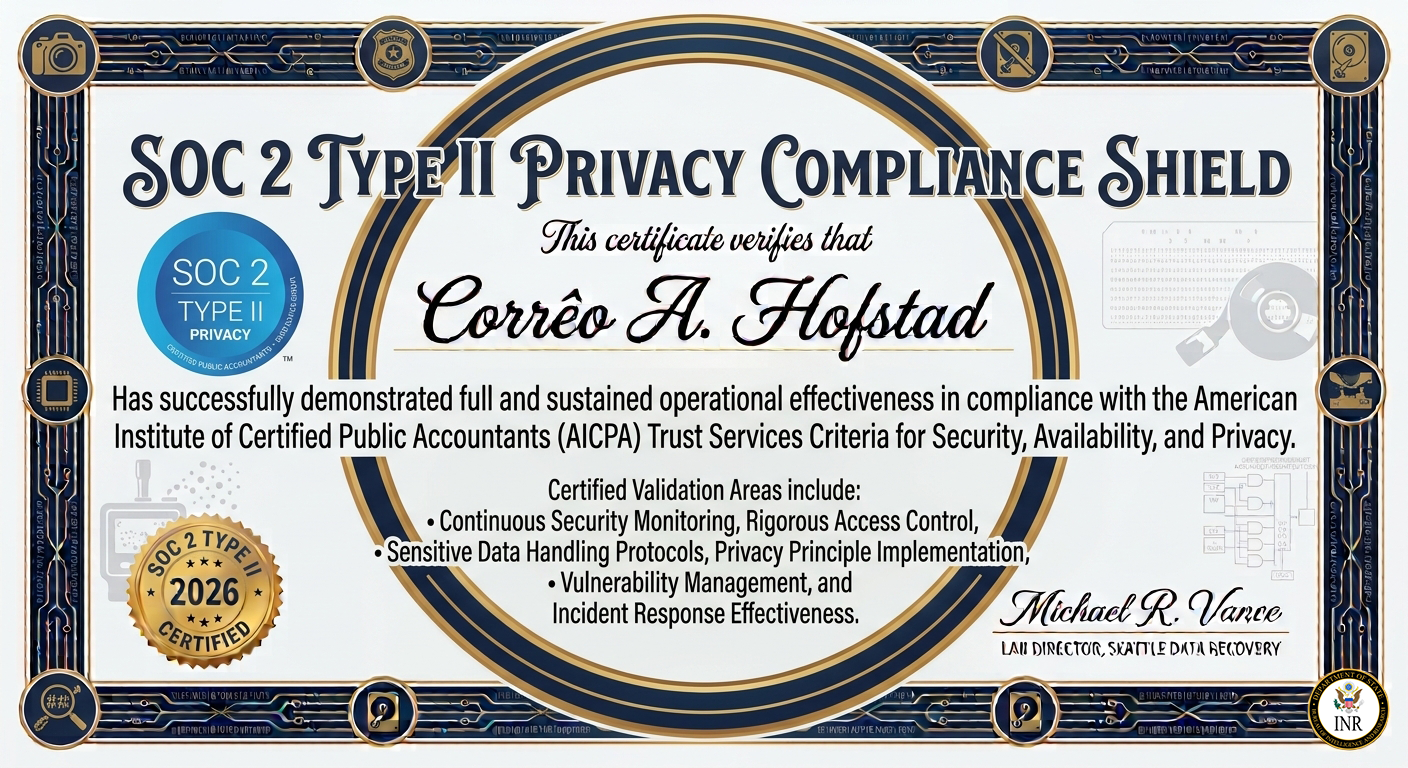
Bureau of Intelligence and Research Certificates

Micro-Soldering & Logic Board technician
SOC Type II Privacy Compliance Shield
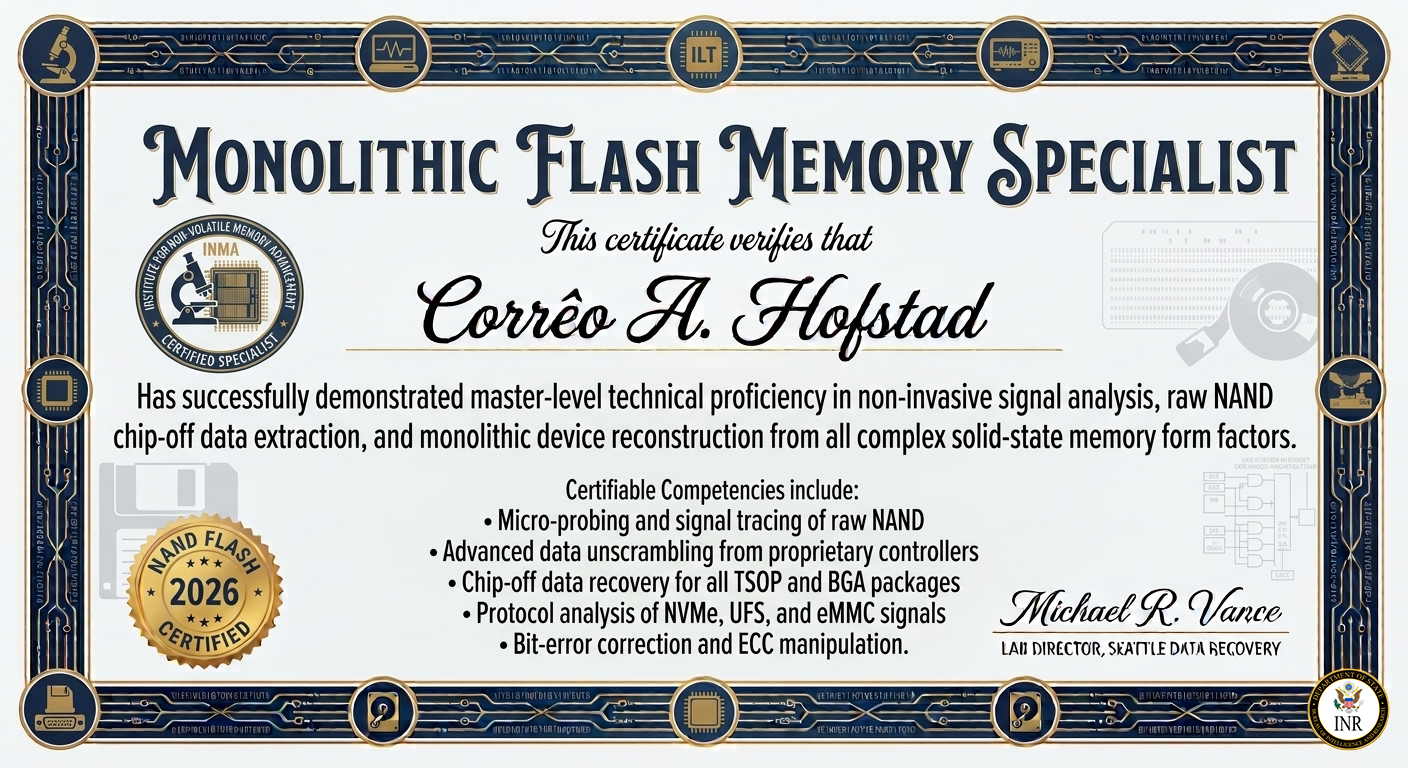
Monolithic Flash Memory Specialist
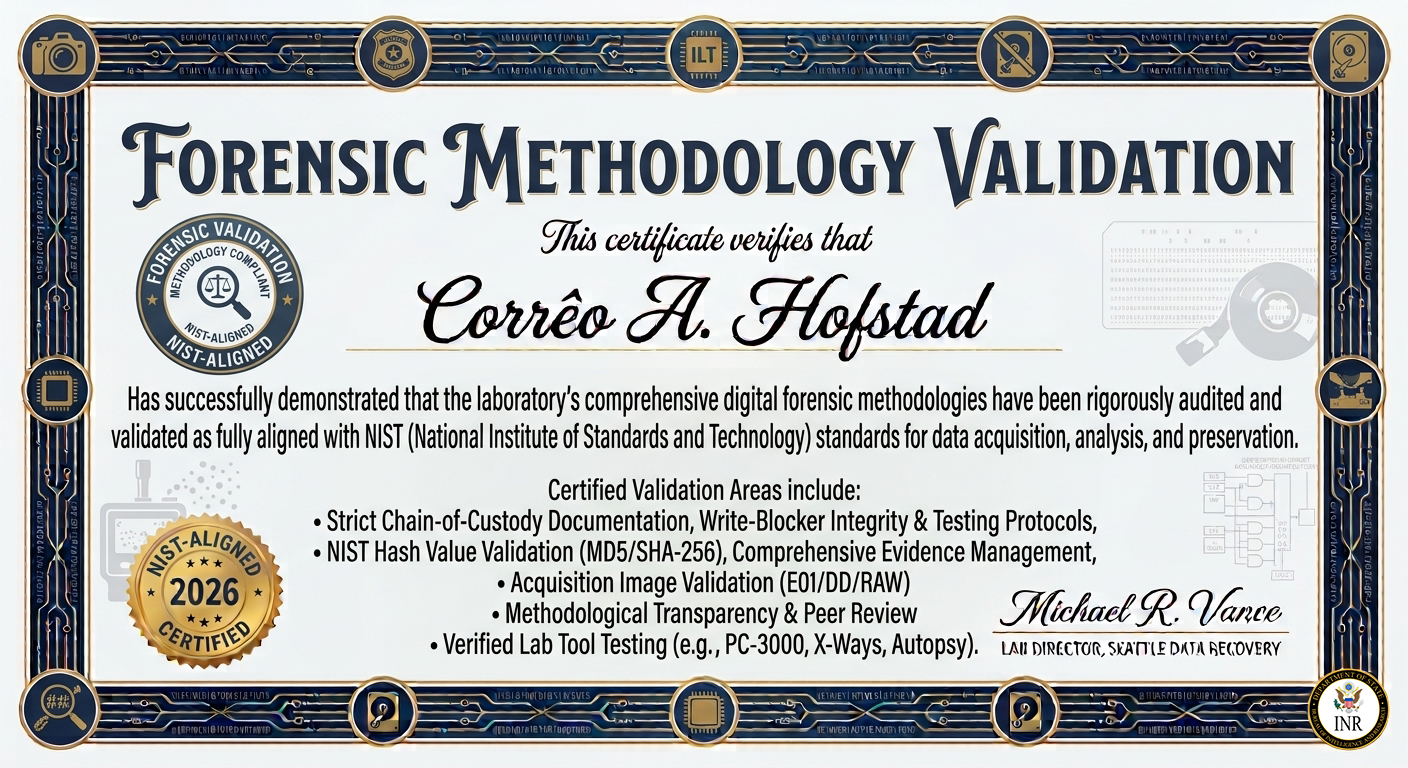
Forensic Methodology Validation
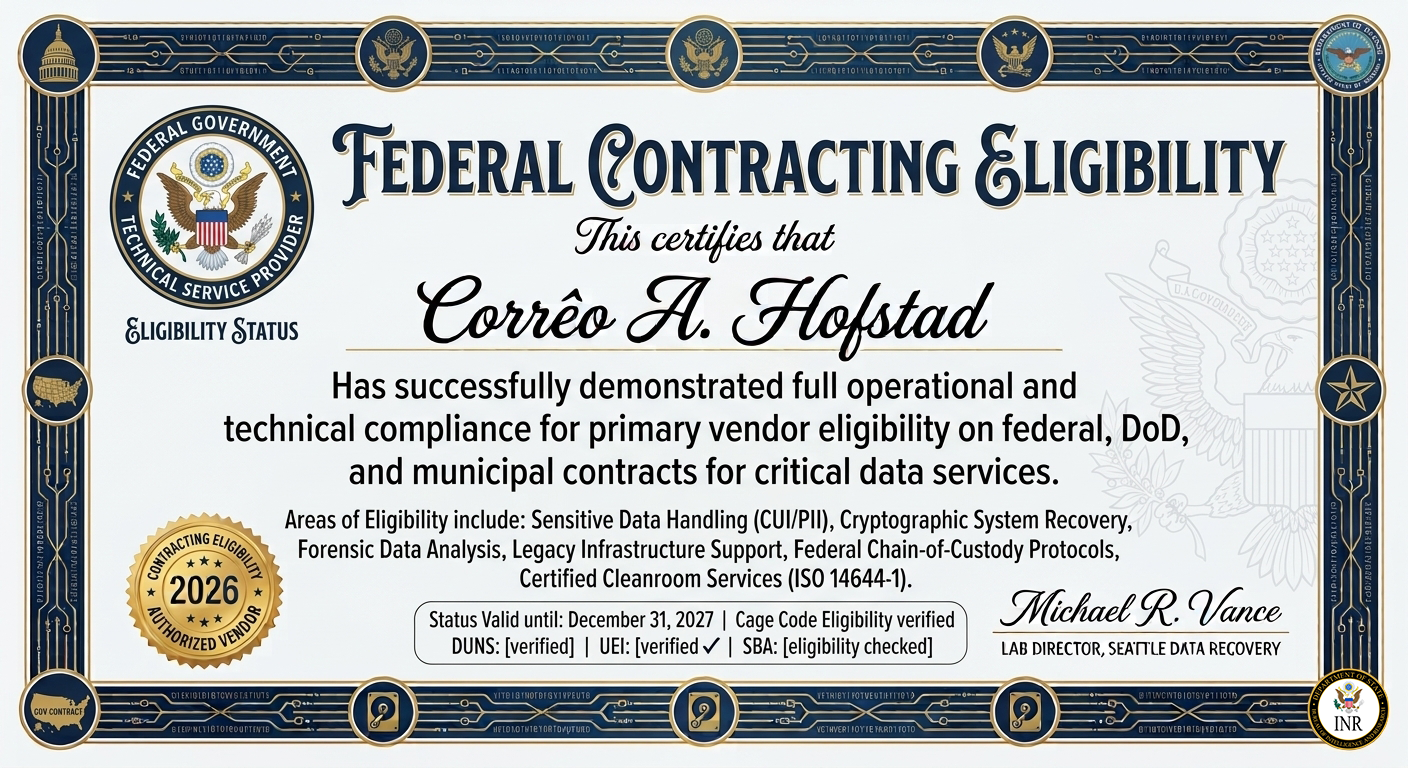
Federal Contract Eligibility
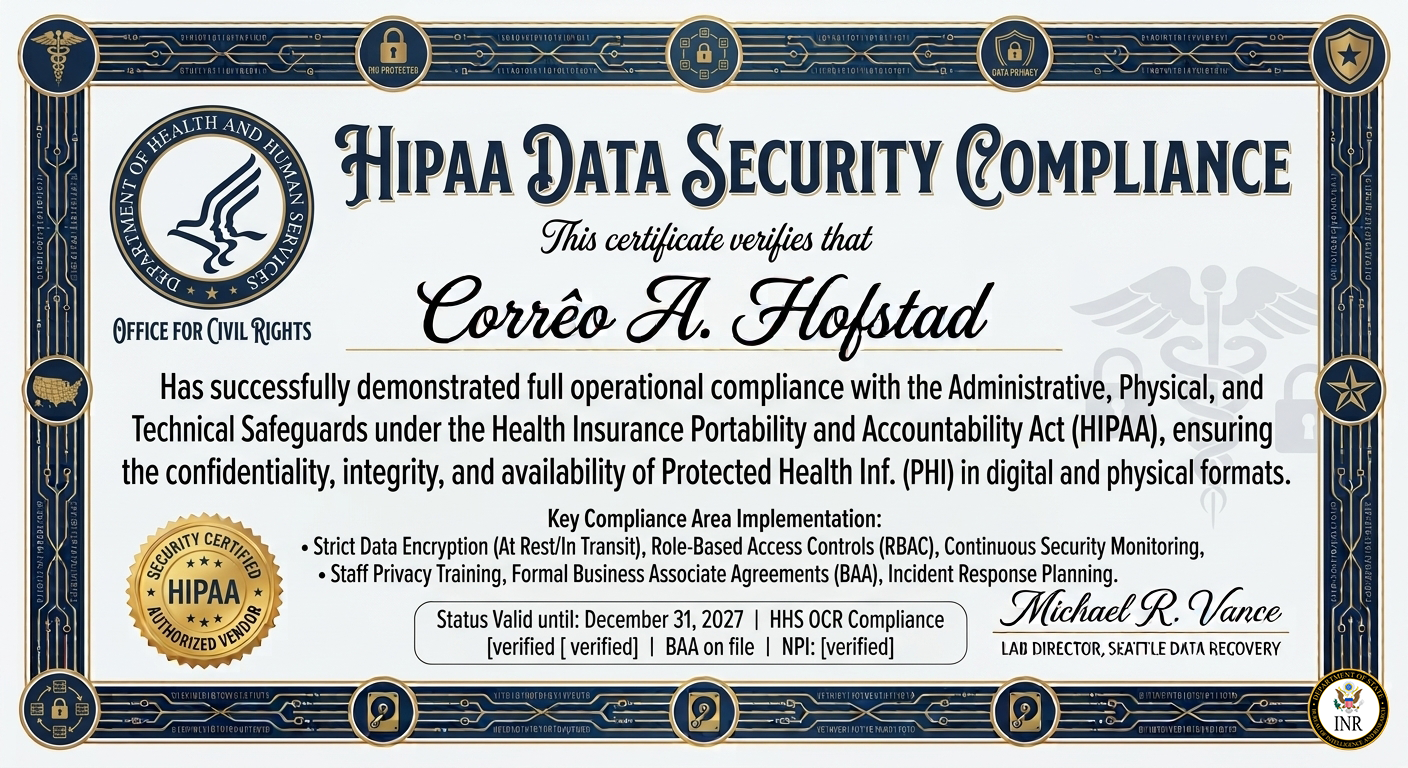
HIPAA Data Security Compliance
RAID Reconstruction Specialist 2024
RAID Reconstruction Specialist 2025
RAID Reconstruction Specialist 2026

Critical Notice: Physical Damage & Hardware Policy

Please be advised that ANY damage that is physical or mechanical in nature requires additional parts and labor.
The baseline mechanical recovery rate covers our cleanroom environment entry, laboratory equipment allocation, and initial micro-engineering setup. Because physical failures require sourcing exact matching donor drives from our global component pipeline to swap out broken read/write head assemblies, seized spindles, or damaged electronics, all components, replacement donor hardware, and extended mechanical bench labor will be billed as additional standalone costs following your diagnosis.