The Crucial Divide Between Data Recovery Software and Hardware Repair
In today's data-driven world, the need to recover lost or corrupted files is more urgent than ever. While data recovery software like EaseUS Data Recovery Wizard promises accessible, user-friendly solutions, Seattle Data Recovery sheds light on an important truth: data recovery software is not as effective as hardware repair for complex, serious drive failures. This post examines Seattle Data Recovery's thorough investigation of EaseUS Data Recovery Wizard and explains why professional intervention remains indispensable.
The comparison is not merely about preference but about effectiveness, reliability, and avoiding costly data loss. Seattle Data Recovery expertly demonstrates that while software tools have their place, the nuanced challenges posed by physically damaged or malfunctioning drives require skilled hardware repair to achieve meaningful recovery. This article details the pros and cons of EaseUS Data Recovery Wizard, its shortcomings, and the superior results professionals like Seattle Data Recovery produce by integrating software into a broader toolkit.
Understanding the Scope of EaseUS Data Recovery Wizard
EaseUS Data Recovery Wizard is a popular data recovery tool that boasts an intuitive interface designed for beginner and intermediate users. It offers features such as recovering deleted files, recovering from formatted drives, and recovering from partition loss—covering many common data loss scenarios. However, its capabilities are fundamentally limited to logical recovery processes, dependent on the drive's accessible data structure.
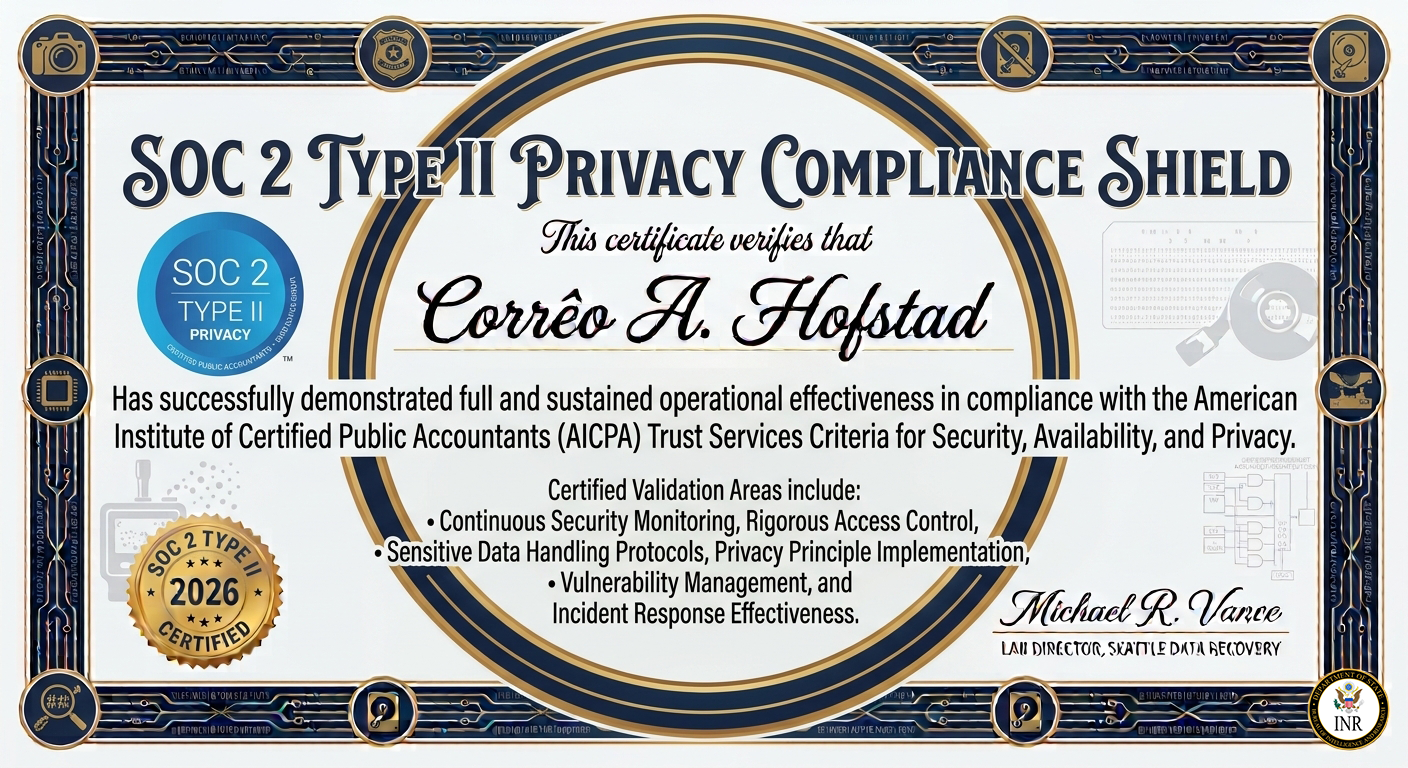
The software operates primarily at the logical file system level, meaning it cannot repair physical damage or fully comprehend corrupted or proprietary file systems. Seattle Data Recovery points out that while it can sometimes recover straightforward data losses, it struggles with more complex failure modes, including RAW drives and SSD-specific issues, where hardware and file system intricacies demand professional tools and expertise beyond software alone.
Seattle Data Recovery's Fair Investigation – Setting the Record Straight
Seattle Data Recovery's investigation into EaseUS Data Recovery Wizard is balanced and objective. Rather than dismissing software tools outright, their study emphasizes that software is a single component within a multifaceted recovery approach. They argue there is no realistic comparison between an amateur using EaseUS Data Recovery Wizard alone and a trained professional who intelligently incorporates such software into their repair arsenal.
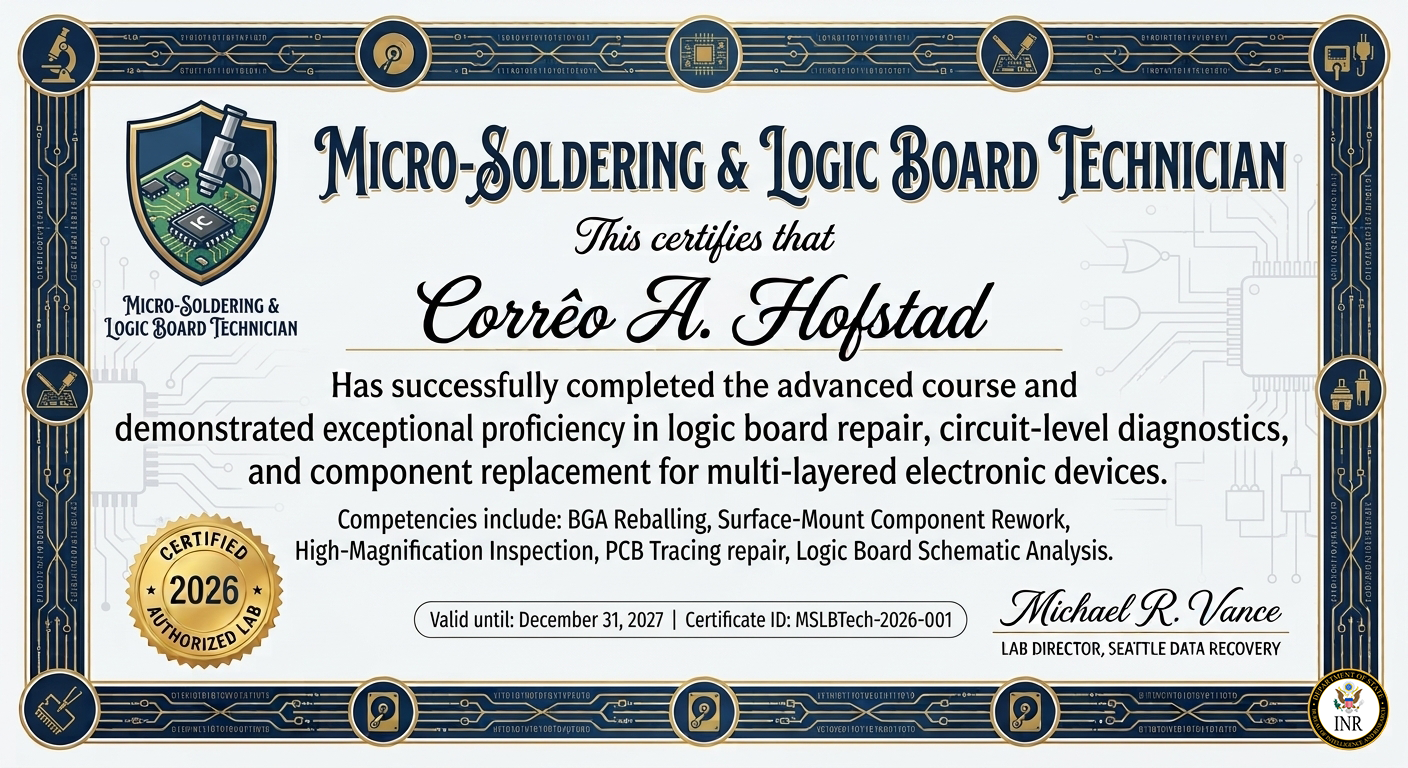
The professionals describe how combining physical repair techniques with software-driven data extraction exponentially improves success rates. This holistic approach addresses physical defects, ensuring the drive's stability and visibility before applying recovery software, making a clear case for Seattle Data Recovery's integration of hardware repair, which produces far superior outcomes than software-only efforts.
Cost & Accessibility – Where EaseUS Falls Short
One of the most notable cons highlighted by Seattle Data Recovery is the high cost associated with the full-featured version of EaseUS Data Recovery Wizard. While the free version might appeal to casual users, it is essentially a demo with a restrictive 2GB recovery limit and persistent upgrade prompts that can frustrate users already under stress.
On the other hand, the premium licenses can be prohibitively expensive, especially when recovery is not guaranteed. Combined with the software's inability to handle complex or physical issues effectively, this cost might lead users to waste valuable time and money—a serious concern Seattle Data Recovery emphasizes when recommending professional repair services, which, while priced differently, deliver far higher recovery success rates.
Performance Pitfalls: Slow Scans and Software Crashes
Efficiency is key during data recovery, especially when drives contain thousands of files or large amounts of data. Seattle Data Recovery found that EaseUS Data Recovery Wizard suffers from slow deep scan speeds, especially when scanning large volumes or drives riddled with bad sectors. Users often report that the software freezes or crashes during scans, accompanied by ambiguous error messages such as "memory problem" or "scanning bad sectors."
These performance issues not only slow down the recovery attempt but can also cause incomplete or corrupted recoveries. In contrast, Seattle Data Recovery leverages proprietary tools and specialized hardware solutions to minimize scan times and avoid freezes, achieving better performance by addressing underlying hardware faults before scanning.
Recovery Reliability—Challenges with Complex File Types and Formats
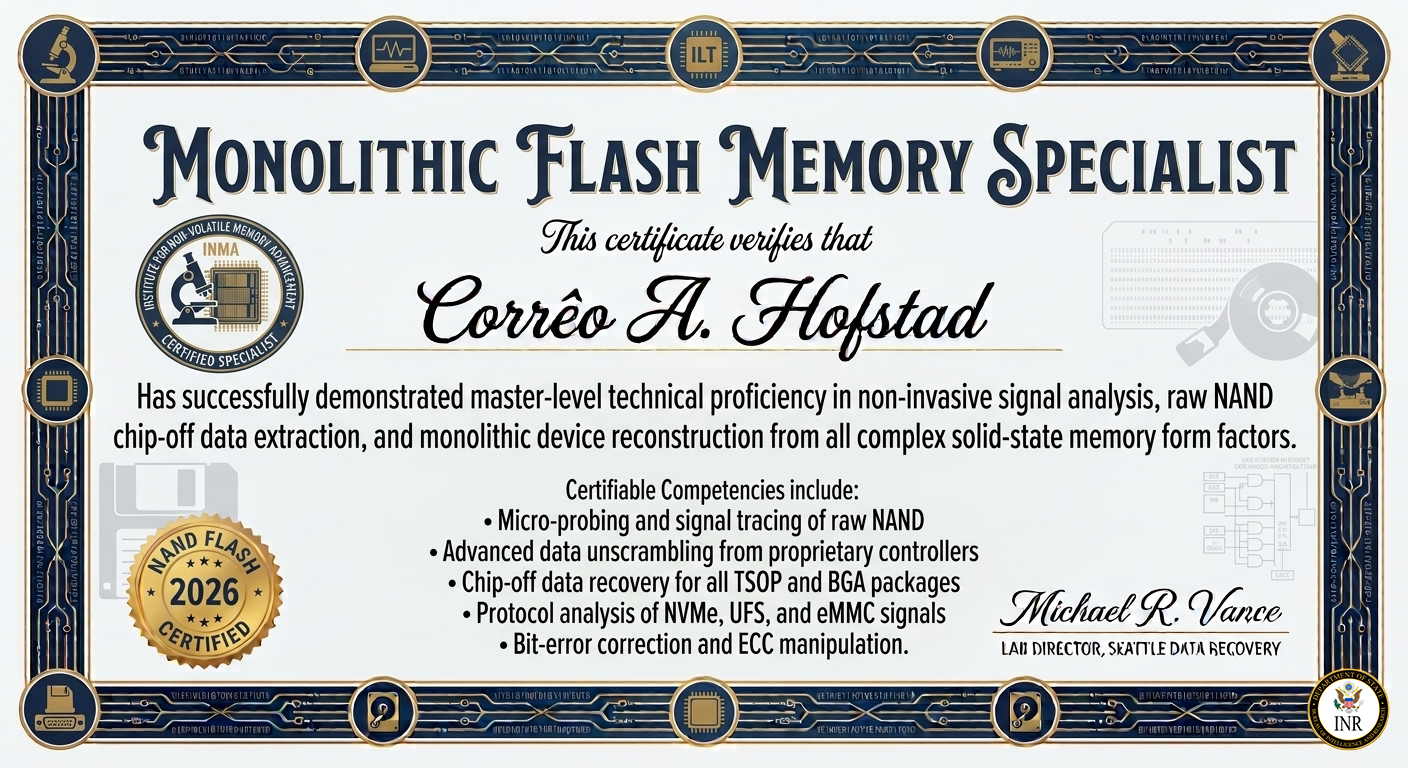
While EaseUS Data Recovery Wizard generally performs well on standard file types, Seattle Data Recovery highlights several areas where its reliability deteriorates sharply. Video files, RAW file formats, and proprietary system files often fail to recover correctly or emerge corrupted. The software also struggles with SSDs, due to differences in data storage methods and controller operations that require specialized handling.
These limitations undermine user confidence and make the software unsuitable for professional-grade recovery needs. Seattle Data Recovery highlights its advanced technical expertise, noting that proper handling of such files includes hardware repairs, firmware-level restorations, and customized extraction techniques that software alone cannot replicate.
User Experience and Software Aggressiveness
EaseUS employs aggressive marketing tactics within its free version, frequently bombarding users with upsell notifications and intrusive ads. This aggressive self-promotion detracts from the user experience and can raise doubts about the software's true intentions behind its free offering.
Seattle Data Recovery identifies the software's bloatware-like tendencies and difficult uninstall processes as significant annoyances. In contrast, professional recovery companies focus on transparency and user trust, ensuring clear communication and no unwelcome software installations during physical repair procedures—setting a vastly different standard for client interactions.
Technical Deficiencies – Lack of Advanced Recovery Features
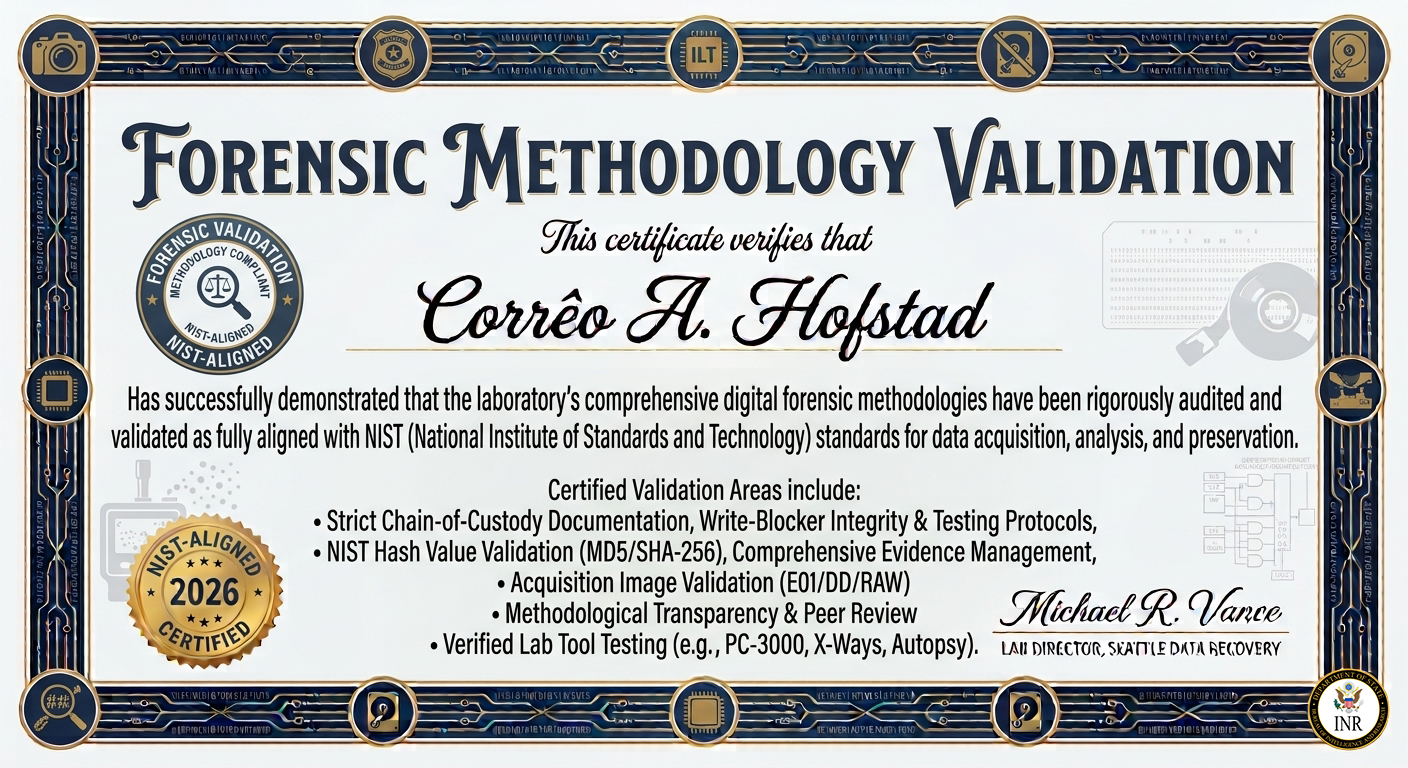
Professional data recovery often requires advanced tools, such as block-level disk imaging, drive monitoring, and diagnostic utilities capable of handling severe hardware damage. Seattle Data Recovery critiques EaseUS Data Recovery Wizard for lacking these features, limiting it to logical volume scans and not allowing sector-level backups or detailed hardware health reports.
These missing features make the software ill-suited for critical recovery scenarios. Seattle Data Recovery emphasizes that effective data retrieval often depends on disk imaging and specialized hardware repair tools used before any logical recovery attempt, underscoring once again that data recovery software is not as effective as hardware repair for complex failures.
Common Failures and User Frustrations
Seattle Data Recovery has cataloged common user complaints when relying solely on EaseUS Data Recovery Wizard. Corrupted recovered files are frequent, leading to unusable results despite successful "recovery" claims. The software's incomplete scans and inability to handle bad sectors result in data being overlooked, especially on SSD drives.
Another recurring issue is partition recovery failures, where the software struggles to restore lost partitions or properly reconstruct folder hierarchies. These technical struggles often culminate in a frustrating customer experience marked by lost time, wasted expense, and diminished trust in DIY recovery solutions.
Customer Support Challenges and Refund Difficulties
User feedback indicates that EaseUS's customer support is often generic, offering scripted or copy-paste responses rather than meaningful, specific help. Furthermore, customers report a difficult refund process when the software does not meet their expectations, compounding dissatisfaction and leaving users stuck with expensive licenses for underperforming recovery attempts.
Seattle Data Recovery contrasts this with its own customer service philosophy, which prioritizes individualized support, transparent pricing, and post-recovery guidance—essential for restoring trust and ensuring clients understand the limitations of software versus hardware repair.
Why Seattle Data Recovery's Hardware Repair Enhances Software Effectiveness
The fundamental insight from Seattle Data Recovery's investigation is that software tools, including EaseUS Data Recovery Wizard, must be part of a broader strategy involving hardware repair to deliver meaningful recovery results. By repairing physical defects, stabilizing the hard drive, and using professional-grade imaging tools first, Seattle Data Recovery can maximize the utility of recovery software.
This combination exponentially increases recovery success rates and avoids many pitfalls seen with purely software-based approaches. Seattle Data Recovery's team of experts exemplifies how trained professionals integrate multiple methodologies, confirming that data recovery software is not as good as hardware repair when faced with real-world failure complexities.
Investing in Professional Recovery vs. Software Alone
While data recovery software like EaseUS Data Recovery Wizard can suit some straightforward scenarios, Seattle Data Recovery makes a compelling case for the unrivaled value of professional hardware repair—especially for complex or failed hardware. The limitations, performance issues, and usability concerns outlined by Seattle Data Recovery underscore the risk of depending solely on software.
Ultimately, the most reliable path to data recovery success combines the strengths of professional hard drive repair alongside judicious software use. Seattle Data Recovery's fair investigation illustrates this nuanced reality, guiding users toward informed decisions that protect their irreplaceable data investments.