The Mechanism
RAID 0 configurations rely heavily on a controller to dictate how data blocks are distributed. This controller can be hardware-based (a dedicated PCIe RAID card) or software-based (managed by the motherboard BIOS/UEFI or the operating system). Failure occurs when:
  • The hardware RAID card experiences an electrical surge or firmware corruption.
  • The motherboard BIOS updates or resets, losing its specific RAID configuration mapping.
  • Operating system metadata files managing a software RAID become corrupted during an improper shutdown.
The Impact on RAID 0
When a controller fails, it loses the array metadata—the structural map detailing the drive order, stripe block size (e.g., 64KB or 128KB), and sequence. Even if all physical hard drives are completely healthy, the system will view them as unformatted, independent disks.
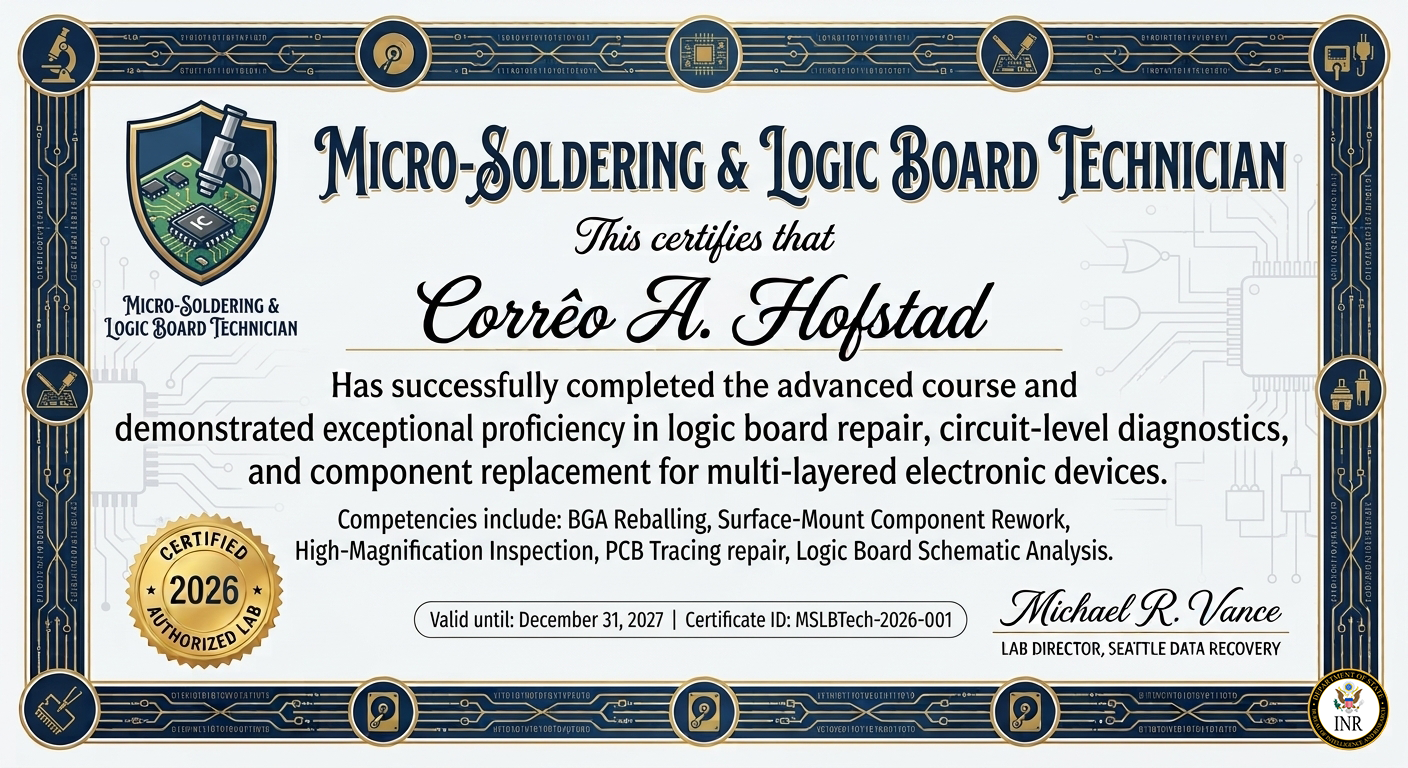
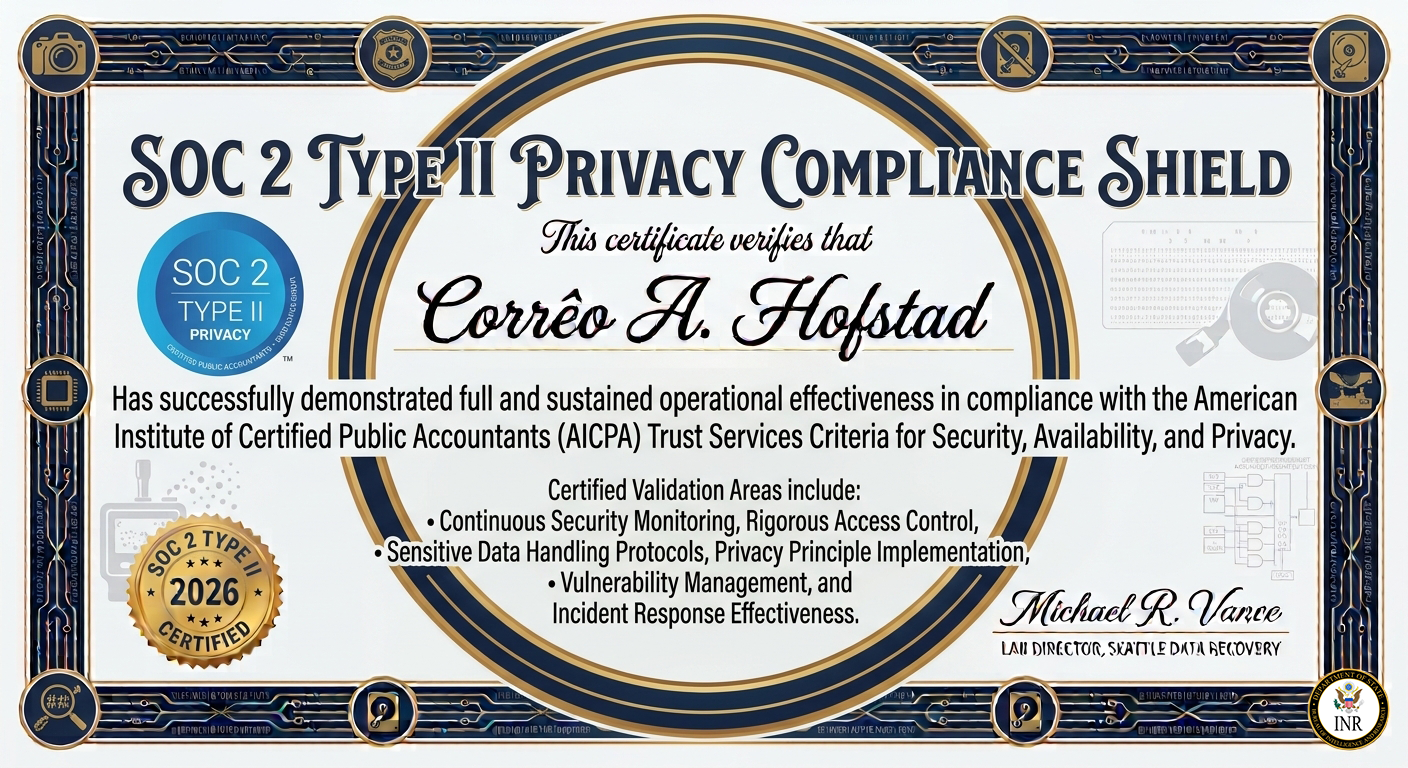
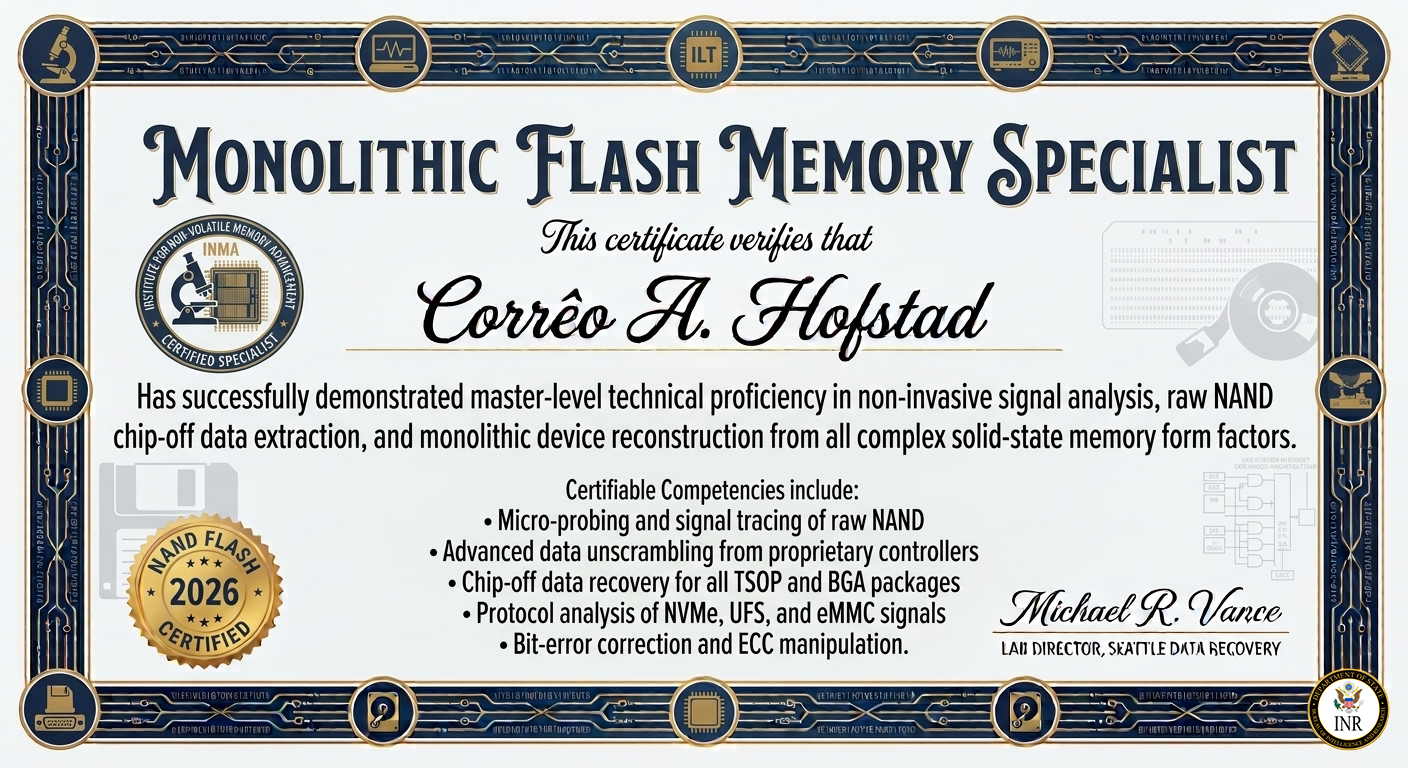
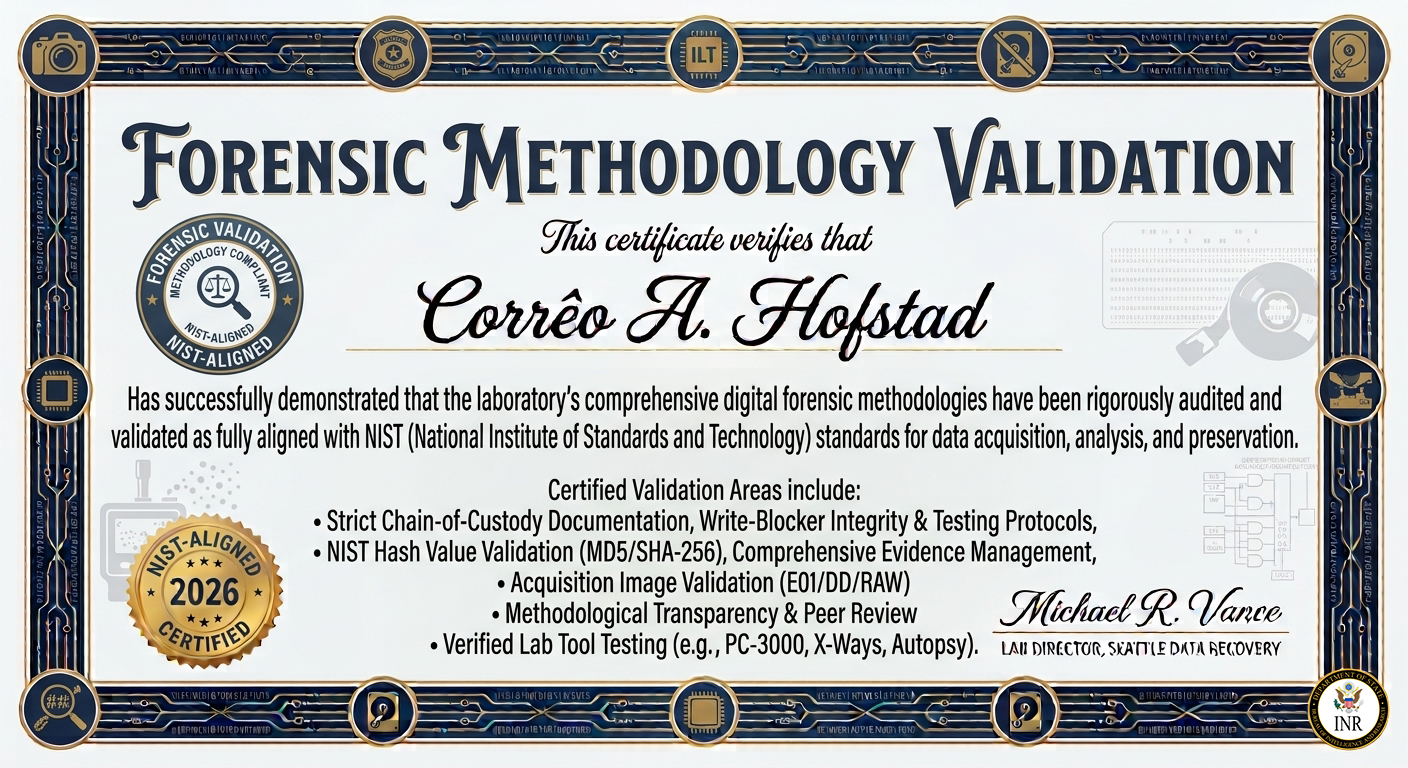
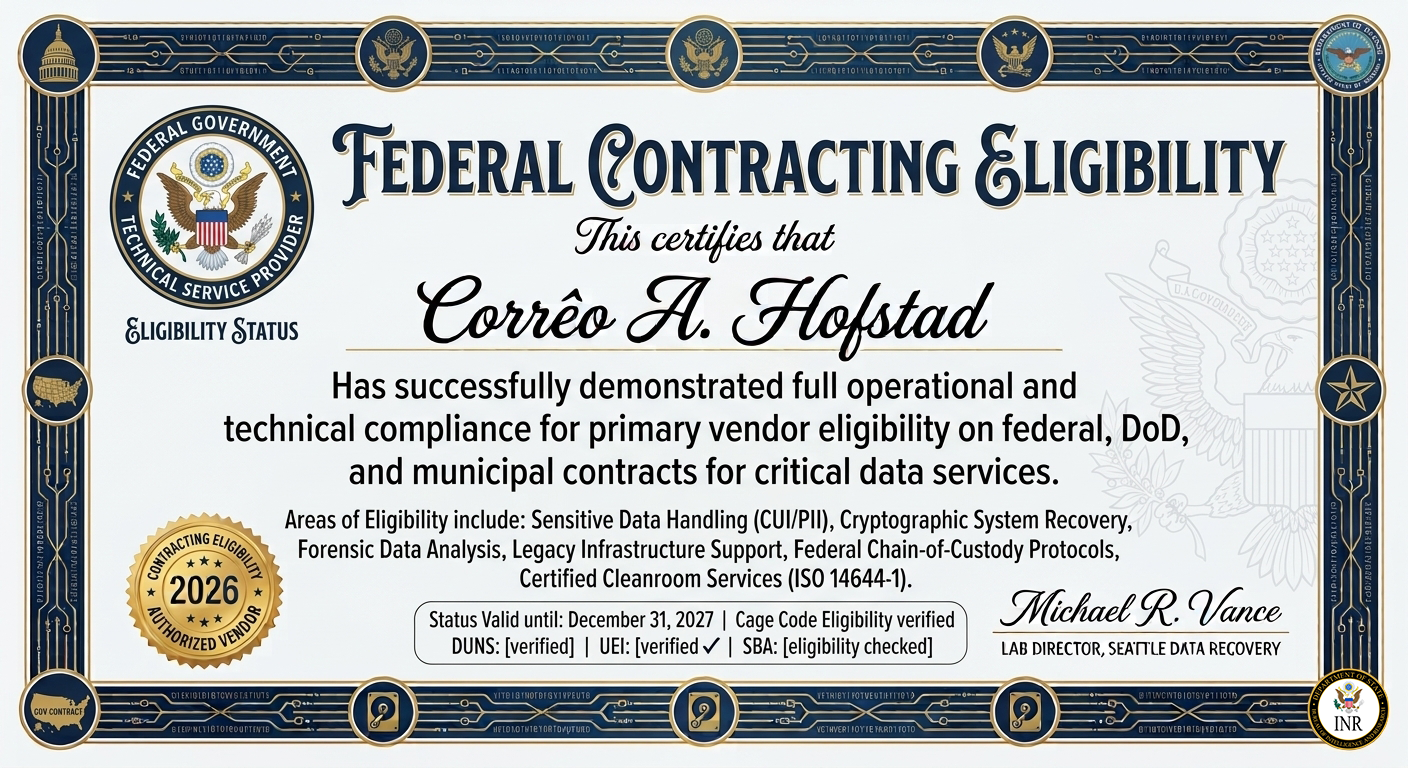
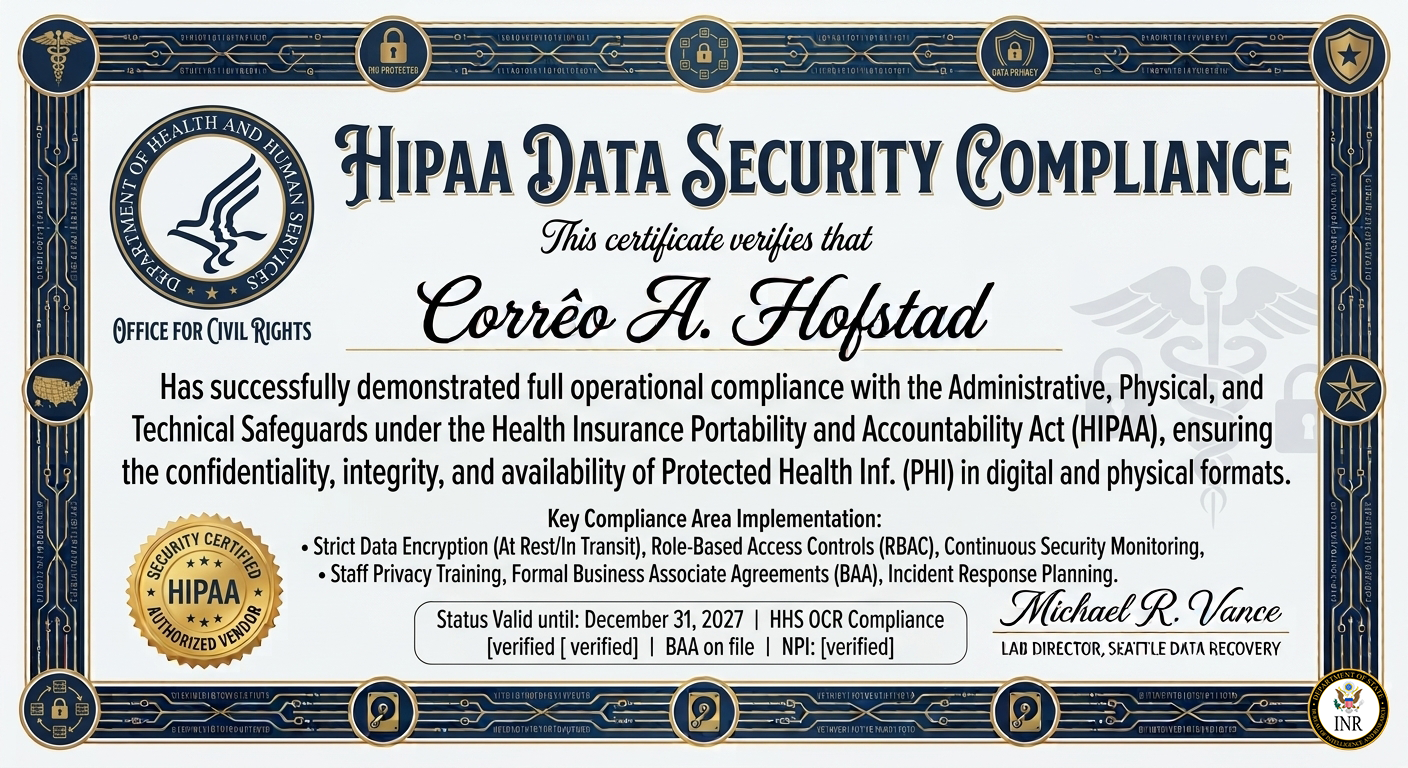
Bureau of Intelligence and Research Certificates

Micro-Soldering & Logic Board technician
SOC Type II Privacy Compliance Shield
Monolithic Flash Memory Specialist
Forensic Methodology Validation
Federal Contract Eligibility
HIPAA Data Security Compliance
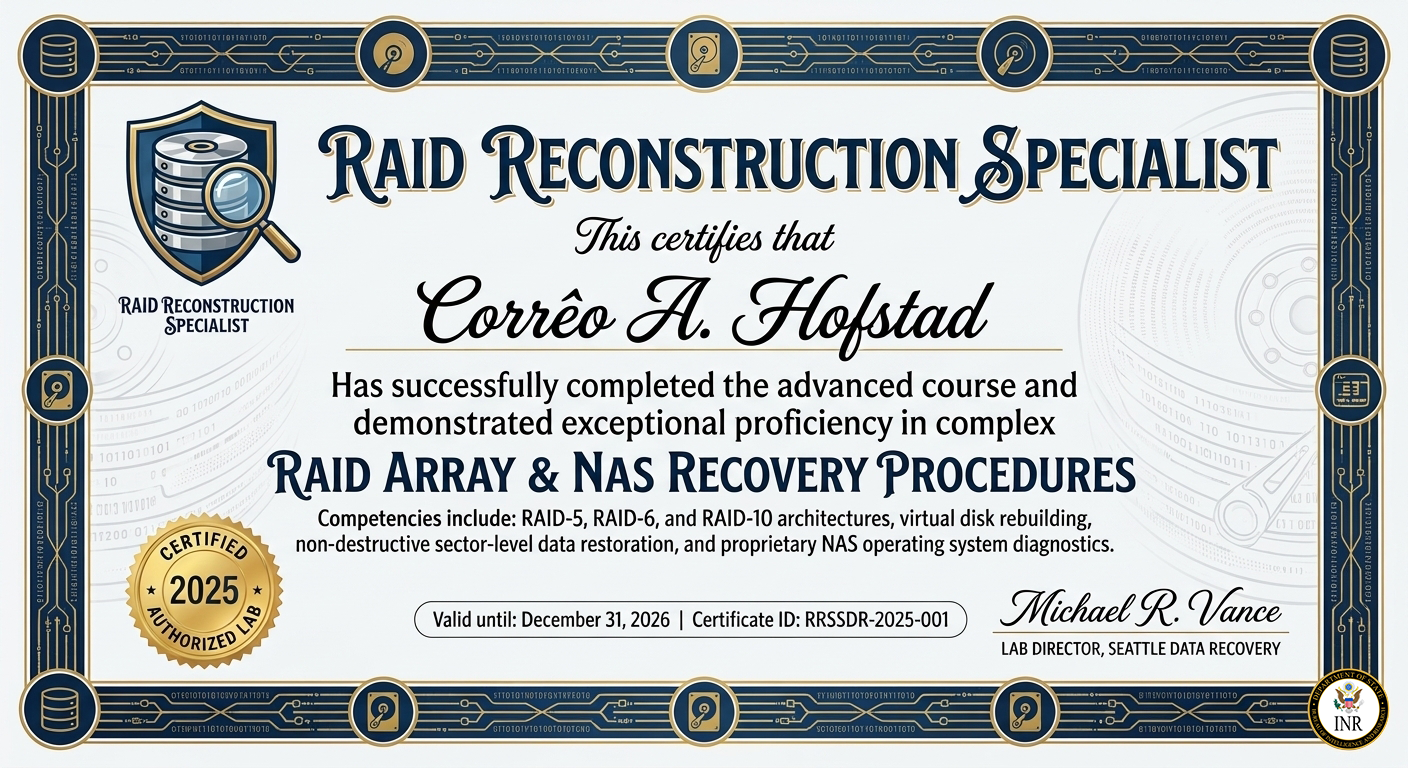
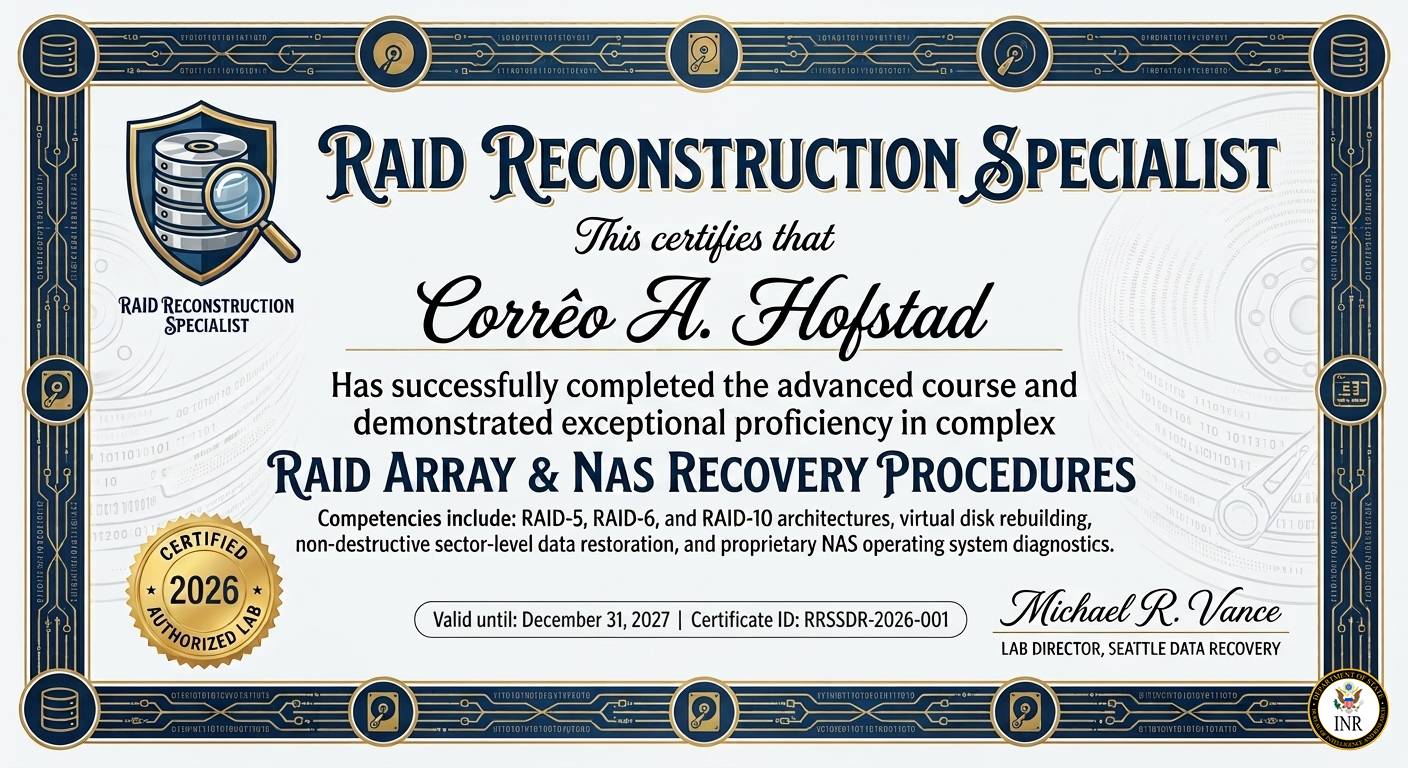
RAID Reconstruction Specialist 2024
RAID Reconstruction Specialist 2025
RAID Reconstruction Specialist 2026

Critical Notice: Physical Damage & Hardware Policy

Please be advised that ANY damage that is physical or mechanical in nature requires additional parts and labor.
The baseline mechanical recovery rate covers our cleanroom environment entry, laboratory equipment allocation, and initial micro-engineering setup. Because physical failures require sourcing exact matching donor drives from our global component pipeline to swap out broken read/write head assemblies, seized spindles, or damaged electronics, all components, replacement donor hardware, and extended mechanical bench labor will be billed as additional standalone costs following your diagnosis.