Why Data Recovery Matters for Creatives and Professionals
In today's fast-paced digital world, data is the backbone of creative pursuits, business operations, and personal memories. For professionals utilizing high-performance storage solutions like Western Digital SanDisk G-RAID, the importance of safeguarding data cannot be overstated. However, even the most robust and sophisticated systems are susceptible to failures—whether due to hardware damage, logical errors, or accidental deletion. When critical data becomes inaccessible, seeking specialized help from Seattle Data Recovery becomes essential. Our dedicated team possesses the expertise, tools, and experience to restore files and folders with their original structure intact, ensuring minimal disruption and maximum data recovery success.
The comprehensive process we employ focuses on preserving data integrity and restoring complete folder hierarchies, including all file names and organization structure. Whether you are located in the Puget Sound region, including Sammamish, Mercer Island, Bellevue, or Redmond, Seattle Data Recovery is ready to provide expert solutions tailored to your specific needs. Our focus is always on providing rapid, reliable, and secure data recovery services for Western Digital, SanDisk, and G-RAID devices, helping you reclaim lost data efficiently and securely.
The Significance of Professional Data Recovery for Western Digital SanDisk G-RAID
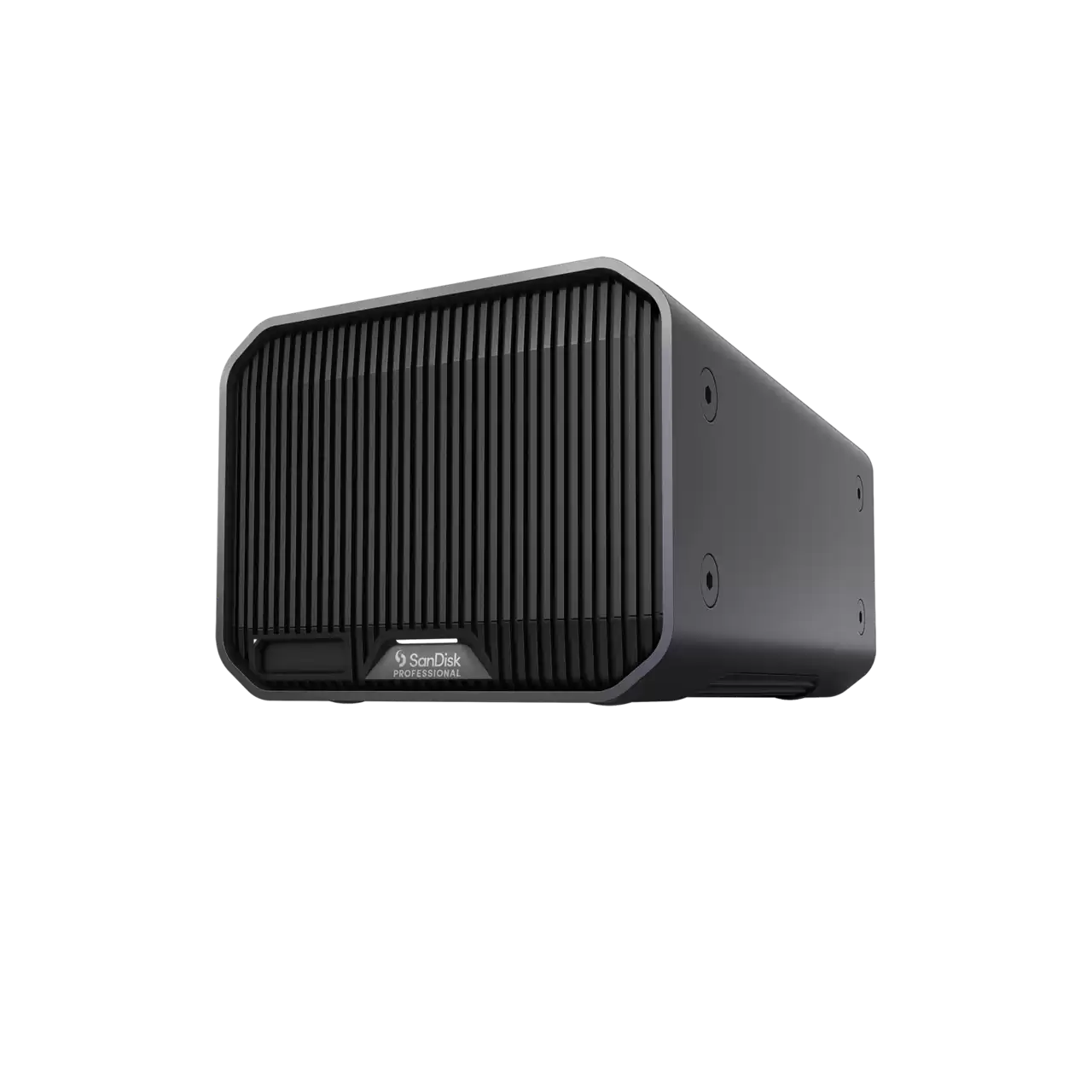
Western Digital SanDisk G-RAID devices are well-regarded among creative professionals and data-intensive users for their high-performance capabilities, robust design, and reliability. Built with enterprise-class hard drives, hardware RAID controllers, and interfaces like Thunderbolt 3 or USB-C, these devices serve demanding workflows that often involve large video files, complex projects, and critical data. Despite their durability and advanced technology, G-RAID units are not impervious to failure. When a malfunction strikes, attempting DIY recovery methods may cause irrevocable damage, complicating or even permanently preventing data retrieval.
Professional data recovery services, such as those provided by Seattle Data Recovery, are indispensable when dealing with G-RAID failures. Our technicians undergo extensive training to understand the intricacies of RAID configurations, hardware components, and file systems specific to these devices. Additionally, we utilize proprietary hardware and software solutions to safely extract data without compromising the device further. In essence, professional help ensures that data is recovered in its original form, preserving folder structures, file names, and data integrity—parameters that are crucial for both creative projects and business continuity.
The Complex Hardware Architecture of Western Digital SanDisk G-RAID
The Western Digital SanDisk G-RAID utilizes complex hardware components designed for maximum performance and redundancy. Central to its operation is the built-in hardware RAID controller, which manages the distribution of data across multiple drives, whether for speed (RAID 0) or redundancy (RAID 1). This controller orchestrates the entire data flow, ensuring that each drive's role is precisely managed according to user specifications. Consequently, when a drive fails or the controller malfunctions, data access can be disrupted entirely, necessitating specialized intervention.
G-RAID units are equipped with enterprise-class hard drives, usually from Western Digital's Ultrastar series. These drives possess high RPMs (7200 RPM) and enterprise-grade reliability features, but they are still susceptible to physical failures such as head crashes, motor issues, or electronic damage. The aluminum rugged enclosure, designed for durability, also serves as a protective shell; however, physical shocks or environmental factors, such as heat and moisture, can cause internal components to malfunction. Therefore, understanding this intricate hardware layout is essential for professional recovery efforts, ensuring that technicians target the actual source of failure without risking further damage.
Transitioning from Hardware Failure to Data Retrieval
Once a failure occurs—a drive not spinning, missing files, or the whole unit not powering on—the first step involves a detailed diagnosis. Seattle Data Recovery initiates this phase by conducting a thorough assessment to determine whether the issue originates from physical hardware damage, logical errors, or a combination of both. This diagnostic process involves evaluating the health of individual drives, testing the RAID controller, and examining any error logs or firmware issues that may be present.
Following the diagnosis, our experts proceed with data extraction. When dealing with physical damage, this entails working directly with the individual drives, often in a cleanroom environment, to prevent any contamination. If the problem lies with the RAID controller or involves logical corruption, the team utilizes advanced software to virtually rebuild the RAID array or reconstruct data structures without data loss. This multi-faceted approach is crucial in ensuring that we retrieve the data in its original form—maintaining the precise folder structures, file names, and hierarchy that users depend on for seamless workflow continuation.
The Advanced Techniques Used in Data Recovery for G-RAID Devices
At Seattle Data Recovery, we leverage cutting-edge techniques and proprietary tools to maximize recovery success for Western Digital SanDisk G-RAID units. When physical damage is detected, we employ cleanroom environments and specialized hardware to clone drives safely, preventing any further deterioration. Once cloned, we analyze drives for bad sectors, motor or electronic failure, and other hardware faults. These clones serve as the basis for recovery efforts, allowing us to work without risking the original media.
In instances of logical errors—such as accidental deletion, formatting errors, or file system corruption—we utilize sophisticated software that can scan deeply into the drive's structure. Our recovery software can reconstruct RAID volumes, restore lost partitions, and rebuild complex file systems. We carefully restore the original folder hierarchy, ensuring that all files are returned with their respective names and organizational structure remaining unchanged. This meticulous process is crucial for users who rely on precise data organization, especially creative professionals managing extensive project files.
When and Why to Seek Professional Data Recovery Assistance
The decision to consult professionals, such as Seattle Data Recovery, should be based on the severity and nature of the issue affecting your Western Digital SanDisk G-RAID. For example, physical damage that prevents the device from powering on or spinning inoperably indicates a hardware problem that requires specialized cleanroom services. Similarly, if the G-RAID is functioning but files or folders are missing or corrupted, logical recovery techniques are necessary to recover data intact.
Time is of the essence when data loss occurs, as continued attempts to fix the device or perform DIY recovery procedures risk causing further irreversible damage. Critical data, such as finance records, creative projects, or legal documents, necessitate immediate professional attention. Seattle Data Recovery is equipped to handle even the most complex cases, ensuring minimal downtime and maximum data retrieval success. Our priority is always to preserve the original data structure, file name integrity, and folder hierarchy for a seamless user experience upon recovery.
The Unique Features of Western Digital SanDisk G-RAID Devices
Western Digital SanDisk G-RAID is designed with features that cater specifically to professionals requiring high performance and reliability. One such feature is its hardware RAID controller, which simplifies configuration and optimizes data management. The RAID modes—including RAID 0, RAID 1, and JBOD—allow users to tailor performance and redundancy based on their specific needs. For instance, RAID 0 maximizes speed for video editing, while RAID 1 provides mirrored data security, which is critical for archiving sensitive information.
Another notable aspect of G-RAID devices is their high-performance interfaces, predominantly Thunderbolt 3 and USB-C. These interfaces facilitate rapid data transfer rates essential for handling multi-gigabyte files and real-time editing workflows. The rugged aluminum enclosure offers durability, effective heat dissipation, and an elegant aesthetic, making it suitable for professional environments. These design elements, combined with enterprise-grade drives, make Western Digital SanDisk G-RAID a preferred choice among creative professionals—and also a device that, when it fails, demands expert recovery services to safeguard your valuable data.
The Impact of Effective Data Recovery on Creative Workflows
For creative professionals working in fields such as video editing, animation, photography, and multimedia production, data is at the core of their output. When a Western Digital SanDisk G-RAID fails, the repercussions are more than just inconvenience—they can result in missed deadlines, financial loss, and the disheartening loss of irreplaceable work. Effective data recovery by Seattle Data Recovery reduces these risks by swiftly restoring access to critical files and project folders.
Reliable restoration of folder structures and filenames ensures that project continuity is maintained without the need for extensive reorganization or re-creation of lost work. This level of precision and professionalism reassures clients, maintains project schedules, and preserves the creative flow. Therefore, engaging expert recovery services ensures that your creative enterprise remains resilient in the face of hardware failures, minimizing downtime and potential revenue loss.
Protecting Your Data for the Future: Tips from Seattle Data Recovery
While professional recovery services provide a safety net for unforeseen data loss scenarios, prevention remains the best strategy. Regular backups to secure cloud storage or secondary physical drives are essential steps in protecting your valuable information. Additionally, avoiding physical shocks and operating G-RAID devices in stable environments reduces the risk of damage. Periodic hardware checks and firmware updates also enhance the device's longevity and reliability.
Understanding the limitations of high-performance storage devices helps set realistic expectations. If your Western Digital SanDisk G-RAID displays signs of failure—such as unusual noises or failure to spin-up—immediate professional consultation is advisable. Seattle Data Recovery emphasizes the importance of early intervention, which often translates into higher recovery success rates. Ultimately, combining proactive data safeguarding measures with expert recovery services forms a comprehensive approach to data integrity and peace of mind.
Trust Seattle Data Recovery for Your Data Restoration Needs
In summary, Western Digital SanDisk G-RAID devices are integral tools for professionals demanding high-performance storage solutions. However, failures in these complex systems can jeopardize critical and irreplaceable data. When faced with data loss or hardware issues, turning to Seattle Data Recovery ensures that your files and folders are restored with their original structure, filenames, and hierarchy intact. Our team's advanced techniques, meticulous engineering, and commitment to quality make us the leading choice for Puget Sound residents and businesses.
Whether your G-RAID has experienced physical damage, logical corruption, or system failure, timely intervention from trained professionals is crucial. We provide reliable, effective, and secure data recovery services tailored specifically to your needs. Trust Seattle Data Recovery to help you recover your valuable data and restore your workflow with confidence.