Understanding the Unique Design of WD Elements Portable Drives
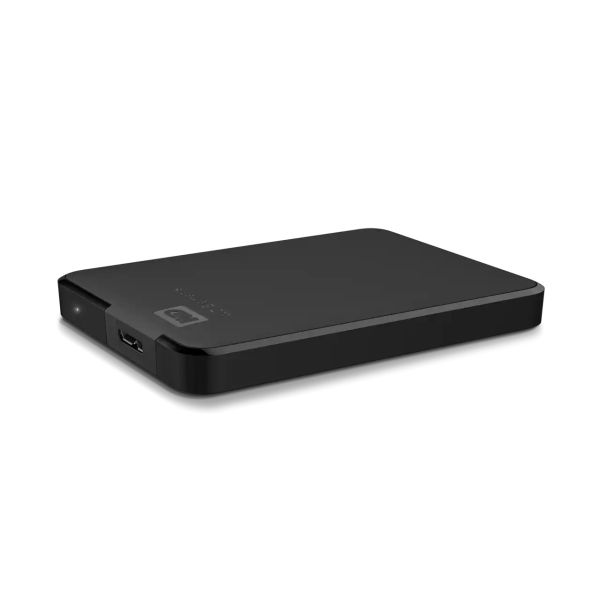
When it comes to external hard drives, Western Digital's WD Elements Portable is a popular choice among consumers for its compact size and affordability. However, what many users don't realize upfront is that this device's internal architecture presents significant hurdles for data recovery. Unlike traditional external drives that feature a removable SATA hard drive enclosed within a case, WD Elements Portable drives integrate critical components directly onto the main circuit board.
This integrated design eliminates the simple access points typically used by data recovery professionals. Instead, the USB port is soldered directly onto the drive's PCB, and the USB controller is embedded within the same board. As a result, when a drive fails—whether due to hardware issues, firmware corruption, or physical damage—the recovery process becomes much more complex. For many users, this means that what should be a straightforward fix often becomes an extended and costly operation, underscoring the importance of the expertise available through professional data recovery services, such as Seattle Data Recovery.
The Critical Role of the Integrated USB Controller
One of the most significant features that complicate data recovery from WD Elements Portable drives is the integrated USB controller. In most traditional external drives, the USB-to-SATA bridge is a separate, removable component, enabling easy bypassing. If a drive encounters an issue, technicians can remove the internal hard drive and connect it directly to a desktop computer via standard SATA connections.
With WD Elements Portable drives, the USB controller is soldered onto the main PCB, forming a single point of failure. If the USB port or controller fails, the entire drive becomes inaccessible via any conventional means. This design choice effectively removes the "easy out" option that most data recovery professionals rely on. To bypass this setup, technicians must perform delicate soldering procedures to detach and replace the integrated controller carefully. This intricate process can risk further damage and dramatically extend recovery timelines.
Hardware-Based Encryption: A Double-Edged Sword
Modern WD Elements Portable drives often employ hardware-level encryption to safeguard user data. While this provides an added layer of security, it also introduces additional complications for data recovery. This encryption is tightly coupled with the drive's hardware components, especially the controller chip, which means that the data is essentially locked to the specific PCB it originated from.
In practical terms, if the drive's circuit board fails, simply replacing the PCB with a donor board won't decrypt the data. The encryption key is stored within a unique ROM chip on the original PCB, making a straightforward motherboard swap futile. Extracting the data, therefore, requires expert chip-off recovery techniques—removing the ROM chip from the damaged PCB and soldering it onto a compatible, functioning board. This is a highly technical and delicate procedure that requires specialized equipment and considerable expertise, often resulting in delays and higher costs.
The Complexity of Unique Firmware Architecture
WD portable drives are built using a proprietary firmware architecture that is unlike standard SATA drives, further complicated by their innovative data management systems. These drives utilize something called a "second-level translation design" or T2 translator, which writes data out of order for performance enhancement.
This sophisticated firmware setup can become corrupted, causing drives to appear empty or fail to operate correctly. Repairing or rebuilding this firmware isn't a simple task; it demands specialized tools and an expert's knowledge to restore the drive's internal "brain" and recover the data. Without proper firmware repair, the data remains inaccessible. This means that any reliable recovery effort must go beyond hardware replacement and address underlying firmware issues, emphasizing the need for experienced professionals like those at Seattle Data Recovery.
Why DIY Efforts Usually Fail
Many WD Elements Portable owners attempt to recover their data themselves before seeking professional help, often underestimating the complexity of the task. Without the right tools, skills, and knowledge, DIY recovery efforts are likely to cause more damage than restoration. Attempting to open the drive or perform soldering repairs without experience can permanently destroy the data or render the drive completely unusable.
Due to the integrated design and encryption technology, even if a user manages to open the device, they won't be able to access the data through simple SATA connections. These drives require specialized recovery techniques, including micro-soldering and chip-off procedures, which are beyond the scope of typical DIY methods. As a result, the smart choice for most users is to turn to professional data recovery experts who understand the intricacies of WD Elements Portable drives.
The Lengthy Timeline of Professional Data Recovery
Data recovery from WD Elements Portable drives with soldered USB ports isn't only complex but also time-consuming. Because the recovery process involves multiple highly specialized steps, including disassembly, soldering, firmware repair, and chip-off techniques, it can take a month or longer to restore data fully.
This extended timeline results from the meticulous processes of removing and transferring ROM chips, repairing corrupted firmware, and rebuilding inaccessible sectors. Each step demands precision and patience, often involving cleanroom environments and advanced equipment. For those relying on quick turnaround times or urgent data needs, understanding this potential delay is essential. Seattle Data Recovery prioritizes transparency and thoroughness, ensuring that clients understand the scope and expected timeline of their specific case.
Physical and Mechanical Damage Complications
Beyond the internal design complexities, physical and mechanical damage to WD Elements Portable drives can drastically complicate recovery efforts. These drives are fragile, especially if they've been dropped, subjected to trauma, or exposed to environmental elements. Physical damage can include head crashes, motor failures, or platter damage, all of which pose serious challenges for data retrieval.
When a drive sustains physical damage, a specialist must perform a thorough assessment before proceeding with recovery. In most cases, they may need to operate in a certified cleanroom environment to disassemble and repair the delicate components gently. This process requires an expert's skill in micro-soldering and mechanical repair, further lengthening the recovery timeframe. Ultimately, physical damage significantly increases the complexity and cost of recovering data from WD Elements Portable drives.
The Significance of Professional Data Recovery Services
Given the highly specialized nature of recovering data from WD Elements Portable drives with soldered USB ports, DIY attempts can sometimes do more harm than good. Consequently, professional data recovery services such as Seattle Data Recovery are equipped with the right tools, cleanroom environments, and expertise to navigate these complex challenges.
Experts understand the proprietary hardware design, encryption protocols, and firmware intricacies involved in these systems. They employ advanced procedures, including chip-off recovery, PCB replacement with ROM chip transfer, and firmware repairs—all performed with precision. Engaging true professionals ensures the highest likelihood of data recovery while minimizing further damage, especially in cases of physical or logical failures.
Preparing for Data Recovery: What Owners Need to Know
If you suspect your WD Elements Portable drive is failing, acting promptly is critical. Powering down the unit and avoiding further use prevents additional damage and minimizes data loss. Consulting a professional early, like Seattle Data Recovery, can make a significant difference in the recovery outcome.
Understanding that recovery might take time and incur costs is essential before proceeding. While the process is complex, the combined expertise and advanced technology available through professional services offer the best chances of success. Remember, rushing DIY repairs or attempting them without proper training often reduces the likelihood of successful data retrieval.
Protecting Your Data in the Future
The challenges associated with WD Elements Portable drives highlight the importance of proactive data management. Regularly backing up your data to multiple locations, including cloud services or secondary drives, diminishes the risk of permanent data loss.
Selecting drives with accessible components and transparent encryption features can simplify future recovery efforts. When choosing external storage devices, consider models that allow easy disassembly and have well-documented hardware architectures. This foresight can save you time, money, and stress should data recovery become necessary in the future.
Trust the Experts When It Matters Most
Recovering data from WD Elements Portable drives with soldered USB ports is a daunting task. The integrated design, hardware encryption, and customized firmware architecture make DIY approaches impractical and often risky. As a result, the best course of action is to work with professionals who thoroughly understand these complexities.
Seattle Data Recovery is dedicated to providing expert solutions tailored to these challenging cases. If your drive has failed or your data appears to be lost, don't hesitate to reach out. We understand that your data is invaluable and are committed to doing everything possible to restore it efficiently and securely.
Understanding the intricacies of WD Elements Portable drives is crucial for anyone experiencing data loss issues with these devices. The complexity of the repair process underscores why professional recovery services are crucial. By foreseeing potential challenges and acting swiftly with the right team, you safeguard your valuable data and restore peace of mind.