The Rising Concern with WD My Passport Data Loss
Data loss remains one of the most distressing experiences for individuals and businesses alike. Among external storage devices, the Western Digital WD My Passport series has gained popularity for its portability and security features. However, despite its widespread use, many owners face significant difficulty in recovering data from these drives when failure occurs.
Seattle Data Recovery issues a serious warning to all WD My Passport owners. The complexities inherent in their design, combined with the challenges presented in recovery scenarios, demand professional intervention. This article aims to provide a comprehensive understanding of these difficulties, outlining why data recovery on these units often requires advanced expertise and specialized tools.
The Unique Design of WD My Passport Drives and Its Impact on Recovery
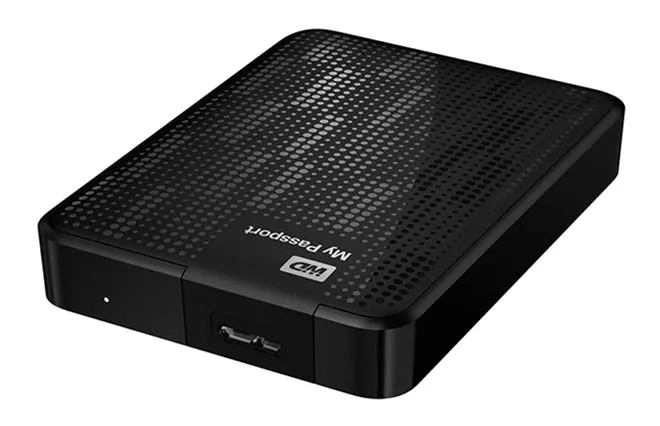
Unlike traditional external hard drives that utilize a standard SATA interface connected via a separate bridge board, WD My Passport drives incorporate a highly integrated design. The USB port is soldered directly onto the drive's main PCB, which houses all essential components, including the controller and encryption modules.
This design aims to consolidate the drive in a compact, cost-efficient package, but it inadvertently complicates data recovery efforts. Since the external USB interface is not removable or replaceable, any failure within the drive's PCB often necessitates invasive microsoldering techniques to restore functionality. Therefore, the difficulty in recoveries increases substantially compared to more modular drives.
The Challenge of Integrated USB Controllers in WD My Passport Drives
One of the pivotal reasons recovery efforts are arduous lies in the integrated USB controller. Standard external drives utilize separate bridge boards or SATA connections, simplifying the process of bypassing failed interfaces. Typically, removing the drive from its enclosure and connecting directly via SATA facilitates straightforward recovery.
With WD My Passport drives, the USB controller is soldered directly onto the PCB. This integration prevents simple unplugging or replacement. To access the drive's data, technicians must perform microsoldering to convert the USB connection into a SATA interface—a task requiring specialized equipment and unparalleled precision. The difficulty level skyrockets, often prolonging recovery time and increasing costs.
Hardware Encryption: A Double-Edged Sword in Data Security and Recovery
Many WD My Passport models are equipped with hardware-level encryption, enhancing data security. While encryption protects sensitive information from unauthorized access, it also introduces substantial challenges during recovery processes.
Since the USB controller manages decryption, failure of the PCB or internal components halts the decryption process. In most cases, this renders the data inaccessible, even if the drive itself is physically recovered. To decrypt the data successfully, recovery experts must locate and load the encryption keys—a process that requires highly specialized tools and knowledge. This complexity significantly adds to the difficulty faced when attempting to retrieve data from encrypted WD My Passport drives.
Instability and Damage: Amplifying Recovery Difficulties
Beyond hardware and encryption challenges, WD My Passport drives often exhibit instability after failure. These issues may include drive freezing, system crashes, or frequent disconnections, making data extraction an even more complex task.
Attempting to recover data from an unstable drive is not only risky, potentially corrupting the data further, but also impractical without specialized equipment. Standard recovery tools and software prove ineffective in such scenarios. For this reason, professional data recovery services prefer to bypass the USB interface entirely, connecting directly through a SATA interface after invasive disassembly, despite the increased difficulty involved.
The Underlying Motivation: Why WD Uses Such a Design
The integrated USB and hardware encryption architecture is a deliberate design choice aimed at reducing costs and enhancing user security. By soldering components directly onto the PCB and embedding encryption, Western Digital enhances data protection, deters unauthorized access, and minimizes manufacturing costs.
While these benefits are apparent from a consumer perspective, the consequence is a substantial increase in the difficulty of data recovery. Recovering data from WD My Passport drives often involves complex microsoldering, encryption key retrieval, and advanced forensics—all of which require specialized technical expertise and significantly increase costs. The design, therefore, represents a double-edged sword—enhancing security at the expense of complicating recovery efforts.
Common Causes of Data Loss and Extended Recovery Time
Various factors contribute to the difficulty and extended timeline associated with recovering data from WD My Passport drives. Failing hardware components, such as bad sectors or controller malfunctions, can significantly slow down the recovery process. Over time, physical media degradation—resulting from magnetic media wear—also hampers data retrieval.
Firmware glitches, corrupted sectors, or damaged PCB components create further obstacles. Additionally, artifacts such as faulty USB cables or damaged ports can introduce connection issues, thereby prolonging the recovery process. Given these circumstances, patience and specialized equipment are essential when engaging with WD My Passport recovery scenarios.
The Best Practices for Handling Our Troublesome Drives
When facing data loss on WD My Passport drives, it is imperative to exercise caution. Attempting to repair or recover data with basic software tools often leads to further damage due to the drive's complex architecture. Instead, consulting professional data recovery experts—such as Seattle Data Recovery—is the most prudent step.
The recommended approach involves creating a complete clone of the drive's contents if possible. Cloning minimizes the risk of additional damage and preserves the original data set for subsequent recovery attempts. If clone creation is successful, recovery should proceed from this duplicated data rather than the damaged original. This method enhances the likelihood of success, particularly given the inherent difficulty of these drives.
How Seattle Data Recovery Approaches These Challenges
Seattle Data Recovery specializes in handling complex cases involving Western Digital WD My Passport drives. Our technicians are equipped with advanced tools for microsoldering, encryption key retrieval, and hardware repair. We recognize that each drive presents unique challenges, and therefore, a tailored approach is essential.
Our process begins with a thorough assessment of the drive's condition, followed by strategic disassembly and a detailed analysis of the hardware. We prioritize data integrity and employ specialized cloning techniques to ensure the data remains uncompromised. With years of experience in managing difficult drives, we remain committed to providing effective solutions, even in the most arduous recovery scenarios.
Protecting Your Data from Future Difficulty
The difficulty associated with recovering data from Western Digital WD My Passport drives underscores the importance of proactive data management strategies. Regular backups, secure storage practices, and awareness of the drive's limitations can minimize the risk of data loss.
In cases where failure occurs, immediate consultation with professional data recovery services, such as Seattle Data Recovery, can make all the difference. While these drives may pose significant challenges due to their design—integrated USB controllers, encryption, and instability—the right expertise can successfully navigate these difficulties. Remember, prevention combined with professional recovery when needed ensures your data remains protected, no matter how complex the challenge.
Western Digital WD My Passport drives are engineered to deliver security and affordability, but at the cost of recovery difficulty. The integrated USB controller, hardware encryption, and design complexity make data retrieval a challenging process, often requiring invasive procedures and specialized expertise. If you encounter data loss on your WD My Passport, contact Seattle Data Recovery to explore your options and ensure a seamless recovery process.