Understanding the Growing Complexity of WD Elements Portable Data Recovery
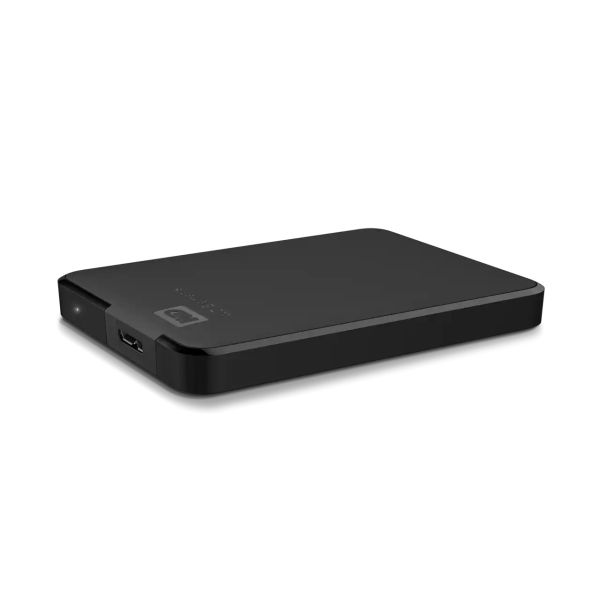
In today's digital age, external hard drives such as the WD Elements Portable have become indispensable for storing and transferring critical data. However, when these drives encounter failures, the recovery process can become unexpectedly complicated. Seattle Data Recovery has observed a sharp increase in requests related to these devices, particularly due to their unique design features—most notably, soldered USB ports and hardware-level encryption. As a result, owners find themselves facing obstacles that demand advanced technical expertise, specialized equipment, and considerable patience.
The product Warning details various factors that contribute to the complexity of recovering data from WD Elements Portable drives. We will examine the distinct hardware configurations, encryption methodologies, firmware architecture, and physical damage factors that render traditional data recovery methods ineffective. By understanding these challenges, users can better appreciate the importance of consulting professional recovery services and avoid costly DIY attempts that could cause further damage.
The Hidden Dangers of Soldered USB Ports in WD Elements Portable Drives
One of the fundamental reasons data recovery for WD Elements Portable drives can be particularly difficult originates from their design choice to solder the USB port directly onto the main PCB. Unlike conventional external drives that use a removable bridge board to connect the USB interface to the internal SATA drive, many WD models incorporate this circuitry directly into the drive's main circuit board. This integration eliminates the easy access point that technicians and enthusiasts typically use to bypass USB-related faults.
If the USB port or the integrated controller becomes damaged, the drive often becomes entirely inaccessible through standard connections. Attempting to bypass or repair this soldered-on port involves sophisticated soldering procedures, delicate micro-welding, and a high risk of further damage. These procedures require specialized tools and expertise, making DIY repairs highly inadvisable. As such, professional data recovery services, such as Seattle Data Recovery, are often the best choice for handling these intricate hardware challenges efficiently and safely.
This design choice also complicates any subsequent recovery process, as the entire drive's accessibility hinges on the integrity of the soldered circuit board. When failure occurs, the only viable way to recover data involves complex hardware intervention, often extending recovery timelines considerably.
The Intricacies of Hardware-Based Encryption on WD Elements Portable
Adding to the difficulty is the widespread implementation of hardware-based encryption in WD Elements Portable drives, especially high-capacity models. These drives are equipped with specialized encryption chips that lock the data to the original PCB's controller chip, creating a robust barrier against unauthorized access. From an engineering perspective, this approach enhances security but significantly complicates data recovery.
In essence, the encryption key is embedded within the hardware of the drive's original circuit board, specifically within a ROM chip. When damage occurs, the only way to access the encrypted data is by precisely removing this ROM chip and transferring it to a donor PCB that matches the original's specifications—a process that requires high-precision micro-soldering skills. If the PCB does not precisely match, the encryption key cannot be transferred, rendering the drive's data permanently inaccessible. This makes simple PCB swaps or generic recovery attempts ineffective.
Hardware encryption means that traditional recovery techniques, such as connecting the drive directly to a desktop computer via SATA, often fail to work. These encrypted drives require specialized techniques, including chip-off data recovery, which can only be performed successfully by experienced professionals with the appropriate cleanroom facilities and equipment. Thus, hardware encryption is a significant hurdle, prolonging recovery times and increasing costs.
Unique Firmware Architecture and Its Impact on Data Recovery
Beyond hardware design and encryption, WD Elements Portable drives feature a distinct firmware architecture that further complicates data recovery efforts. These drives implement a proprietary "second-level translation" (T2) firmware, which manages how data is written and read across the disk platters. Unlike standard SATA drives, which follow conventional firmware protocols, WD drives optimize performance through this complex translation process.
When the firmware's translator becomes corrupted—often due to electrical failures, physical shocks, or firmware bugs—the drive may appear empty or become unrecognizable to recovery software. Repairing or rebuilding this translator is a complex task that requires specialized tools and expertise, as improper handling can render the drive permanently unreadable. Moreover, the firmware's unique design often leaves standard recovery methods ineffective, necessitating the intervention of experienced data recovery professionals.
The complexity of the firmware also means that recovery involves more than just hardware repairs. Specialists must often analyze and rebuild firmware components, ensuring the drive's various translation tables and firmware code are correctly restored before data can be accessed. This process is meticulous, time-intensive, and demands a high level of expertise, often extending the recovery timeline to several weeks.
The Impact of Low Power and Mechanical Fragility on Data Recovery
WD Elements Portable drives are designed to operate with low power consumption, a feature valued in portable applications. However, this design choice presents mechanical vulnerabilities during recovery attempts. Because these drives often have minimal torque and less robust motor designs, they are more prone to head crashes and platter damage when subjected to shocks or improper handling.
Mechanical damage significantly complicates data recovery. When the heads crash onto the platters, the immediate risk is physical damage to the magnetic surface, which results in bad sectors and incomplete data. Recovery efforts then shift from electronic repairs to complex, delicate procedures involving cleanroom environments, specialized hardware, and advanced software tools. Additionally, the slower spinning speeds and lower torque mean that the drive's internal mechanisms may not respond predictably during recovery processes.
As a result, drives with underlying mechanical issues require more time and care. The process involves carefully identifying and isolating damaged areas, performing "head-by-head" cloning, and reading data in non-standard ways to preserve as much information as possible. Mechanical fragility, therefore, directly impacts both the success rate and timeline of data recovery efforts.
Limitations of Conventional Data Recovery Techniques
Traditional data recovery methods, such as connecting a damaged external drive to a Windows or macOS system or attempting repairs using SATA recovery machines, are often ineffective with WD Elements Portable drives. This stems from their internal design features discussed earlier, such as soldered USB ports and integrated controllers, which prevent straightforward access to the drive's internal platters and data.
Removing the drive from the enclosure and connecting it via SATA to a recovery machine does not work. The embedded USB-to-SATA translation circuitry and hardware encryption prevent the drive from being accessed as a standard SATA device. This situation may lead to misdiagnosis, unnecessary repairs, or even further data loss if inappropriate methods are attempted.
For recovery professionals like those at Seattle Data Recovery, specialized equipment is essential for effective recovery. Techniques such as soldering tiny connections, chip-off extraction of firmware, and customized PCB repairs are necessary to bypass the constraints. Usually, this process involves several stages: diagnosing hardware faults, mapping out encrypted firmware, and meticulously repairing or rebuilding the drive's inner architecture, emphasizing the importance of expert intervention.
Time-Intensive Recovery Processes for WD Elements Portable Drives
Due to the numerous technical hurdles associated with these drives, data recovery from WD Elements Portable models with soldered USB ports inevitably takes longer than standard procedures. The process involves multiple complex steps, each requiring specialized skills, tools, and rigorous testing, which collectively extend the recovery period to sometimes up to a month.
The detailed sequence begins with an initial diagnosis, followed by delicate hardware repairs such as micro-soldering to remove or repair damaged components. Next, if encryption is involved, experts must carefully perform chip-off procedures to transfer ROM chips onto donor boards, ensuring that the encryption keys remain intact. Then, rebuilding or repairing firmware components, including the T2 translator, demands precise software and hardware interventions.
Throughout the recovery process, the drive must be handled in cleanroom environments to prevent further damage. Additionally, identifying and repairing physical damage, such as head crashes or magnetized platters, adds more time. Therefore, owners should be prepared for a lengthy and meticulous process when working with WD Elements Portable drives, highlighting the importance of engaging professional services, such as Seattle Data Recovery, which possess the necessary expertise and facilities.
Best Practices for Preventing Data Loss on WD Elements Portable Devices
While many recovery obstacles are intrinsic to WD Elements Portable drives, proper preventative measures can minimize the risk of data loss. First, always maintain regular backups of critical information stored on these devices. Employing a multi-tiered backup strategy—utilizing cloud storage, local drives, and off-site copies—ensures data safety in the event of hardware failures or accidental deletions.
Second, handle the drives with care to avoid physical shocks or drops, which can induce mechanical damage. Keep the drives in protective cases and avoid exposing them to heat, moisture, or static. Additionally, consider periodically checking the drive's health using diagnostic tools to identify signs of impending failure early. This proactive approach enables timely data transfer or migration, thereby reducing the need for complex recovery efforts later.
Lastly, when encountering any issues, avoid attempting DIY repairs. Relying on professional services, such as Seattle Data Recovery, from the outset ensures that recovery attempts are performed safely, efficiently, and in a manner that preserves the integrity of the data. Prevention combined with professional guidance offers the best strategy to safeguard your valuable information.
Selecting Professional Data Recovery Services for WD Elements Portable Drives
Given the intricacies involved in recovering data from WD Elements Portable drives with soldered USB ports, choosing the right recovery partner is critical. Professional data recovery services such as Seattle Data Recovery possess the specialized tools, cleanroom facilities, and technical expertise needed to navigate the complex hardware, firmware, and encryption barriers unique to these drives.
Certified technicians begin with comprehensive diagnostics, devising a tailored recovery plan that minimizes risks and maximizes chances of success. From microsoldering delicate components to chip-off extraction of encrypted firmware, these specialists execute each step with precision and expertise. Moreover, they leverage proprietary techniques and industry-leading equipment to salvage data from physically and electronically damaged drives.
Relying on experienced professionals ensures that the most complex cases receive the necessary attention, thereby safeguarding your data and providing peace of mind. When it comes to WD Elements Portable data loss, partnering with experts is a prudent investment.
The Cost Factor and Timeline: What Owners Should Expect
Data recovery for WD Elements Portable drives with soldered USB ports is rarely inexpensive or expedited. The complex procedures—such as micro-soldering, firmware repair, encryption key transfer, and physical drive diagnostics—result in higher costs and longer timelines compared to conventional recovery tasks.
Owners should anticipate expenses that reflect the advanced techniques required, often involving multiple specialized steps performed in cleanroom environments. The typical recovery timeline can extend up to a month or more, depending on the extent of the damage and the complexity of the encryption. Clients need to understand that rushing the process or opting for less experienced providers may jeopardize the recovery outcome.
Transparent communication from professional services is vital. Reputable providers, such as Seattle Data Recovery, offer detailed estimates upfront, outlining the potential costs and expected durations. Investing in expert recovery not only increases the likelihood of success but also minimizes the risk of irreversible data loss caused by subpar or misguided repair attempts.
Embracing the Future—Are WD Elements Portable Drives Repairable?
Despite the numerous challenges outlined, it is important to recognize that with proper expertise and advanced tools, many WD Elements Portable drives can still be salvaged. The key lies in understanding that these drives are not impossible to recover but require a higher level of technical skill and specialized equipment. Modern data recovery professionals leverage innovations in micro-soldering, firmware imaging, and encryption bypassing to increase success rates.
Seattle Data Recovery and similar industry leaders continuously update their methodologies to keep pace with evolving hardware and security technologies. If your WD Elements Portable drive encounters failure, it is advisable to seek expert assistance promptly. Early intervention often leads to better recovery outcomes, reduces costs, and preserves the integrity of your data.
Ultimately, recognizing the complexities involved underscores the vital importance of professional recovery services. By partnering with specialists, customers can ensure that their data—regardless of the complexity of the recovery scenario—is given the best possible chance of retrieval.
Navigating the Complexities of WD Elements Portable Data Recovery
In conclusion, data recovery from WD Elements Portable external drives with soldered USB ports presents unique challenges rooted in integrated hardware, hardware encryption, proprietary firmware, and mechanical vulnerabilities. These factors significantly extend recovery timelines and elevate costs, emphasizing the importance of engaging experienced professionals.
Seattle Data Recovery is well-equipped to handle such complex cases, utilizing cutting-edge techniques, cleanroom facilities, and a deep understanding of modern drive architecture. If you face data loss with a WD Elements Portable drive, do not attempt DIY repairs that could worsen the damage. Instead, contact trusted experts who can navigate the intricate recovery landscape and maximize your chances of data retrieval.
Keeping this knowledge in mind will help you make informed decisions and protect your valuable data assets effectively.