Why Attention Is Needed for WD Easystore Portable Drives
In today's digital age, data is more valuable than ever, making data recovery services crucial for businesses and individuals alike. Among the various storage devices on the market, WD Easystore Portable hard drives are popular due to their affordability and portability. However, recent insights from Seattle Data Recovery reveal that these drives pose unique and significant challenges when they fail. Specifically, models with soldered-on USB ports are increasingly difficult to recover and require specialized techniques. If you own a WD Easystore Portable, understanding these risks and the complexities involved in recovery can save time, money, and frustration during data loss incidents.
This post aims to shed light on the intricacies of WD Easystore Portable disaster scenarios. We will explore critical hardware architectures, encryption layers, firmware complexities, and other technical hurdles. Armed with this knowledge, users and professionals can better prepare for and address potential data loss situations involving these devices.
The Unique Design of WD Easystore Portable Drives and Its Implications
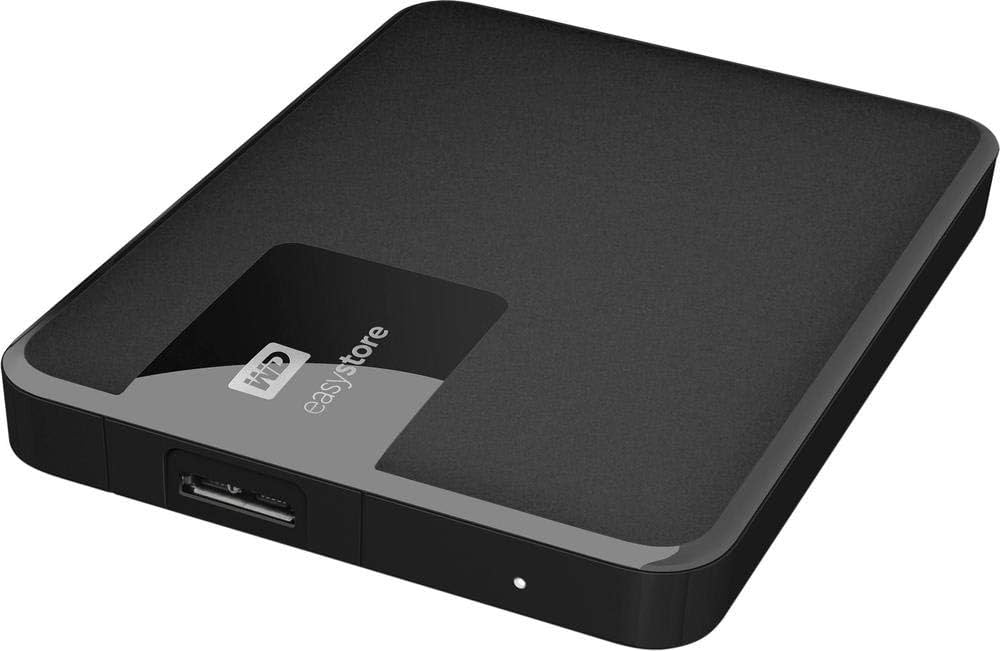
Unlike traditional external hard drives, WD Easystore Portable models feature an integrated USB port soldered directly onto the device's main circuit board. This innovative design aims to facilitate plug-and-play convenience but introduces significant challenges for recovery when the drive becomes inoperable. Since the USB port is not removable, repair or data extraction requires complex hardware interventions that extend beyond typical external drive troubleshooting.
This soldered connection means that users cannot simply swap out USB connections or use standard SATA-to-USB adapters to access the drive's data. Consequently, when these drives fail—whether due to physical damage, firmware issues, or controller failure—Seattle Data Recovery specialists must often perform delicate circuit board repairs or micro-soldering procedures in a clean room environment. This process requires advanced tools, precise skills, and substantial time, which can extend recovery efforts by several weeks.
Low-Power Devices and Their Impact on Data Recovery
WD Easystore Portable drives are designed as low-power devices, emphasizing energy efficiency and portability. While advantageous for everyday use, this low-power architecture presents specific challenges during recovery. These hard drives lack sufficient torque in their motors, which is essential for overcoming resistance and freeing stuck platters or motors that may be frozen or jammed.
In practical terms, low-power drives can become "stuck" more easily than their higher-power counterparts, particularly after physical shocks or prolonged periods of inactivity. The motors may fail to spin or restart, making data recovery significantly more complicated. In such scenarios, professional recovery experts must sometimes resort to specialized hardware interventions, including microsoldering or sector-level repairs, often in a cleanroom setting. Understanding this aspect of WD Easystore Portable drives underscores why DIY solutions are generally ineffective and why expert intervention is critical.
The Challenges of Connecting WD Easystore Portable Drives for Data Recovery
Another significant obstacle with WD Easystore Portable drives pertains to their connection limitations. Since the USB port is integrated into the main circuit board, you cannot physically disconnect the drive's storage medium and interface directly with a SATA or SAS data recovery kit. This design prevents the use of standard tools and methods that typically simplify data recovery on external drives.
Instead, recovery efforts require either repairing or bypassing the faulty USB port through careful micro-soldering to establish a stable connection. Even then, challenges persist if the USB controller chips fail or become unstable. For many recovery professionals, this process involves not only handling tiny components with precision but also ensuring that the drive's firmware and internal translation layers remain intact to facilitate successful data extraction.
Hardware-Level Encryption and Its Impact on Data Retrieval
Indeed, one of the most complex aspects of WD Easystore Portable data recovery is the hardware-level encryption utilized in some models. Modern WD drives often incorporate encryption directly into the USB interface controller. This means that all data transferred from the platters to the USB port is encrypted at the hardware level, and the encryption key is tied to the specific controller chip.
When the USB controller or its encryption chip fails, the drive effectively becomes inaccessible. Simply swapping out the circuit board does not resolve this problem, as the new board contains a different encryption key. Without the original encryption key stored or extracted from the failed circuit, the data cannot be decrypted or accessed. For Seattle Data Recovery, this scenario requires expert analysis of the encryption firmware and advanced methods to unlock the drive's data manually, often involving reverse engineering and firmware repair.
Complex Firmware and the Second Level Translation Layer (T2)
In addition to hardware encryption, WD Easystore Portable drives utilize a proprietary firmware design featuring a second-level translation design (T2). This firmware layer essentially manages how data is written to, read from, and organized within the drive's platters, serving as a critical intermediary in the data storage process.
If the T2 translation layer becomes corrupted, the drive may appear as empty or fail to recognize its data altogether. Recovery attempts must then focus on repairing or rebuilding this firmware translation to restore access to the stored information. Reconstructing the T2 layer requires specialized software tools and deep knowledge of WD's proprietary firmware architecture. Without addressing these nuances, data recovery efforts can encounter insurmountable roadblocks, emphasizing the need for expert intervention.
The Complexity of Shingled Magnetic Recording (SMR) Technology
Many WD Easystore Portable drives utilize Shingled Magnetic Recording technology, which enhances storage density by overlapping data tracks on the disk surface. While SMR technology allows for larger capacities, it introduces electrical and mechanical intricacies that complicate data recovery.
When SMR drives are damaged, overlapping data tracks—known as shingled tracks—are susceptible to further corruption. Additionally, metadata stored alongside these tracks may become compromised, rendering traditional recovery methods ineffective. Recovers often face the task of reconstructing overlapping data blocks, which demands advanced knowledge, specialized software, and hardware tools. Therefore, recovery professionals, including Seattle Data Recovery, often spend extended periods meticulously rebuilding data from SMR drives, especially when used within WD Easystore Portable models.
Why External Drive Shucking Is Not an Easy Solution
Some users consider shucking WD Easystore Portable drives—removing the enclosure to access the internal SATA drive for easier recovery or use as an internal drive. While this process might seem straightforward for desktop drives, it's significantly more complex for portable models with soldered USB ports.
The integrated design of WD Easystore Portable drives ensures that even after disassembly, the internal drive remains connected via the soldered USB interface and embedded firmware. Moreover, attempting to connect the shucked drive directly via SATA can lead to compatibility issues—especially if the drive uses encryption or SMR technology. Therefore, shucking should only be performed by expert technicians with specialized tools, as improper handling can cause further damage or data loss.
The Importance of Professional Data Recovery Services
Given the intricate design and technological features of WD Easystore Portable drives, DIY repair or recovery attempts often lead to further data loss. Instead, engaging a professional data recovery service—particularly one well-versed with the complexities of these drives—is crucial. Seattle Data Recovery routinely handles these challenging cases, utilizing state-of-the-art clean room facilities, microsoldering techniques, firmware repair tools, and expertise in encryption and decryption.
Professionals can assess the extent of hardware and firmware damage, repair circuit boards, rebuild firmware translation layers, and extract data even from encrypted or damaged media. While recovery times may vary, the importance of relying on experienced technicians cannot be overstated when dealing with soldered USB port drives. Their interventions significantly improve the chances of restoring data intact, even in the most complicated scenarios.
Preparing for the Unexpected with WD Easystore Portable Drives
In summary, WD Easystore Portable drives with soldered-on USB ports present unique and formidable challenges for data recovery. The integrated design, hardware encryption, complex firmware, and SMR technology all contribute to making these devices especially difficult to repair and retrieve data from. For users and organizations that rely heavily on such drives, understanding these risks underscores the importance of proactive data management, robust backup strategies, and prompt access to professional services.
Seattle Data Recovery emphasizes that when disaster strikes, expertise, advanced tools, and meticulous procedures are essential. If you are faced with a WD Easystore Portable data crisis, consulting seasoned recovery specialists can be the difference between permanent data loss and successful retrieval.
Final Thoughts: Stay Ahead with Expert Data Recovery
The complexities surrounding WD Easystore Portable hard drives serve as a reminder of the importance of routine backups and expert assistance. When hardware issues or encryption barriers arise, trusting seasoned professionals like Seattle Data Recovery ensures the safety of your data. Being prepared and informed reduces downtime and mitigates the risks of permanent data loss, especially with the intricacies involved in these specialized drives.