The Importance of Firmware Integrity in Enterprise Storage Solutions
In today's digital landscape, data integrity and system reliability underpin every successful enterprise operation. Hard drives, particularly those used in critical environments such as HPE enterprise storage solutions, form the backbone of data management. When these drives encounter firmware corruption, the repercussions can be severe, impacting everything from hardware performance to network stability. Faulty firmware may lead to hardware malfunction, data loss, and even system outages, jeopardizing business continuity. To mitigate these risks, advanced firmware repair techniques have become essential, with companies like Seattle Data Recovery leading the charge in providing specialized solutions.
As organizations increasingly rely on complex data infrastructures, the need for proactive firmware management and repair becomes paramount. The integration of sophisticated tools, such as PSIClone and CPR Flash, facilitates precise firmware updates and recovery, ensuring that enterprise storage devices remain reliable and secure. This blog delves into the intricacies of firmware repair, the importance of updating HPE enterprise hard drives, and how Seattle Data Recovery utilizes cutting-edge technology to protect critical data assets.
Understanding Firmware and Its Critical Role in HPE Enterprise Hard Drives
Firmware serves as the foundational software that controls the hardware of a hard drive. Essentially, it acts as the bridge between physical components and higher-level system operations. In HPE enterprise hard drives, firmware ensures smooth communication, optimal performance, and security, enabling the drives to handle demanding workloads with resilience. Firmware updates or repairs are vital for maintaining the drive's functional integrity over its operational lifespan.
Over time, firmware can become compromised through corruption, bugs, or incompatibilities. These issues can cause performance bottlenecks, hardware malfunctions, and data inaccessibility. Consequently, maintaining the firmware in prime condition is central to preventing hardware failure and protecting enterprise data. Regular firmware updates ensure these drives operate efficiently, reducing downtime and preventing potential cascade failures across data networks.
The Consequences of Firmware Corruption on Enterprise Data and Network Stability
When firmware on an HPE enterprise hard drive becomes corrupted, the consequences extend far beyond the drive itself. The immediate impact includes hardware failure, making the drive inaccessible and risking significant data loss. But the repercussions also ripple through the corporate network, often causing system crashes, degraded performance, and compromised security. In RAID configurations, a single corrupted drive can stall entire rebuild processes, leading to additional drive failures and data loss.
Network performance suffers as system stability decreases. Critical systems may experience slowdowns, crashes, or complete outages. These disruptions directly threaten business operations, resulting in lost revenue, reduced productivity, and increased recovery costs. Recognizing these risks, organizations prioritize timely firmware repair to safeguard their infrastructure—from maintaining data integrity to ensuring continuous network operations.
The Science Behind Firmware Repair and Updating for HPE Hard Drives
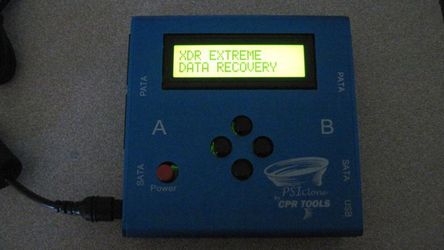
At the core of firmware repair lies the delicate art of precise updating. Tools such as PSIClone and CPR Flash empower technicians to reflash or repair firmware on HPE enterprise hard drives, restoring their functionality. These tools facilitate the extraction, modification, and rewriting of firmware code, ensuring that devices are free of corruption and bugs.
The process typically involves first diagnosing the drive to confirm firmware issues, followed by selecting the appropriate firmware version. Using CPR Flash, technicians can flash the firmware back to a stable version, addressing bugs that might cause system instability. Success depends on the compatibility of the firmware with the drive's model and version, emphasizing the importance of specialized tools and expertise in managing enterprise storage assets.
CPR Flash™ and the CPR Tools Utilities Suite: An Industry-Leading Solution
CPR Flash is a revolutionary utility developed to update or flash firmware within CPR Tools' device ecosystem, including the popular PSIClone. Integrated into the CPR Tools Utilities Suite, it provides technicians with a robust and user-friendly interface for firmware management tasks. Its design emphasizes reliability and precision, making it an indispensable tool for firmware repair in enterprise environments.
The installation of CPR Flash is straightforward, typically bundled with other CPR Tools utilities shipped along with compatible hardware. During the firmware update process, only one CPR device should be connected to the host PC to avoid conflicts. The intuitive interface guides users through the process, ensuring firmware is correctly flashed, verified, and operational. The use of CPR Flash enhances the efficacy of firmware repair, providing peace of mind amid complex enterprise storage management tasks.
The Role of Seattle Data Recovery in Firmware Preservation and Repair
Seattle Data Recovery has established itself as a leader in supporting enterprise storage environments, particularly in managing firmware-related issues on HPE hard drives. The company maintains a comprehensive firmware store for these drives, ensuring access to authentic, signed firmware versions necessary for safe repairs. Their expertise in firmware repair complements the deployment of advanced tools like PSIClone and CPR Flash, facilitating the rapid and reliable restoration of data storage integrity.
By employing cutting-edge techniques, Seattle Data Recovery minimizes downtime caused by firmware corruption. They combine technical excellence with deep knowledge of HPE enterprise hardware, ensuring that drive firmware is properly updated without risking further corruption or incompatibilities. Their proactive approach to firmware management enables organizations to maintain operational stability and data security effectively.
How CPR Tools Enhance Firmware Management for Enterprise Hard Drives
CPR Tools has developed an ecosystem of devices and utilities that streamline firmware management for enterprise drives. The PSIClone device, for example, simplifies data cloning, recovery, and firmware extraction, while CPR Flash provides a direct approach for safe firmware flashing. These tools eliminate the guesswork traditionally associated with firmware updates, offering a structured, technical process tailored to enterprise needs.
The process begins by identifying the root causes of firmware corruption, which often involves analyzing drive logs and discrepancies in firmware versions. Once identified, CPR's suite of utilities provides step-by-step procedures for flashing or repairing the firmware, ensuring minimal risk and maximum data integrity. This integrated approach enables enterprise IT teams and technicians to perform firmware repairs efficiently, thereby reducing system downtime and safeguarding critical data.
Protecting Enterprise Data: Why Regular Firmware Updates Are Essential
Routine firmware updates play a vital role in comprehensive data security protocols. These updates often address vulnerabilities that malicious actors could exploit, thereby fortifying enterprise systems against cyber threats. Additionally, firmware updates patch bugs that could cause hardware failure or data corruption, safeguarding the integrity of stored information.
Organizations that neglect firmware maintenance risk encountering hardware failures that may result in irreversible data loss or prolonged downtime. Regular updates, performed with tools like CPR Flash under the guidance of experts like Seattle Data Recovery, ensure that drives operate with the latest performance enhancements and security features. This ongoing vigilance enhances overall system resilience, especially in high-stakes enterprise environments.
Real-World Example: Preventing Data Disasters with Firmware Repair
A recent case involved an enterprise client suffering from persistent firmware corruption on their HPE enterprise hard drives. These issues caused recurring drive failures, RAID rebuild failures, and network instability. Recognizing the critical threat to their data and operations, they engaged Seattle Data Recovery. The team employed CPR tools to reflash the affected drives, restoring firmware integrity and operational stability.
Following the firmware repair, the client experienced improved drive performance and eliminated recurring failures. Moreover, they avoided potential data loss and costly downtime. This case exemplifies how proactive firmware management, utilizing advanced tools such as PSIClone and CPR Flash, supported by expert intervention, can prevent large-scale data disasters and network outages.
The OEM Connection: How Original Manufacturer Partnerships Impact Firmware Security
HPE enterprise hard drives don't manufacture their own drives but source them from renowned OEMs, including Seagate, Western Digital (WD), and Toshiba. These drives are then rebranded with HPE's name, often featuring digitally signed firmware. Such signatures verify that the firmware has passed stringent security and quality checks, preventing unauthorized modifications.
Understanding the OEM origins helps technicians ensure that firmware updates and repairs are compatible with the drive's original specifications. At Seattle Data Recovery, maintaining an ample stock of OEM-signed firmware enables reflashing to prevent firmware corruption and potential security vulnerabilities. This approach ensures that enterprise drives remain trustworthy and secure, supporting resilient business ecosystems.
Future Trends: Advancing Firmware Repair and Security in Enterprise Storage
As enterprise storage solutions evolve, so too will the tools and techniques used for firmware repair. Emerging technologies, such as AI-driven diagnostics, blockchain-based firmware verification, and automated flashing processes, promise to enhance security and efficiency further. In the near future, proactive firmware management will shift from reactive fixes to predictive and preventative strategies.
Organizations like Seattle Data Recovery are already investing in these innovations, integrating them with existing tools like PSIClone and CPR Flash. This foresight guarantees the continued stability and security of enterprise data infrastructure, safeguarding against emerging threats and firmware corruption. As enterprises transition toward smarter storage ecosystems, firmware repair will become increasingly precise, reliable, and integral to overall IT health.
Securing Enterprise Data through Professional Firmware Management
The significance of proper firmware repair for HPE enterprise hard drives cannot be overstated. From preventing catastrophic hardware failure and data loss to ensuring network stability, firmware updates are a fundamental aspect of enterprise data management. The utilization of sophisticated tools, such as PSIClone and CPR Flash, supported by specialists like Seattle Data Recovery, empowers organizations to protect their critical data assets effectively.
Adopting a proactive approach to firmware management, combined with the latest technological advancements, will remain essential as enterprise storage needs become increasingly complex. Ensuring that firmware remains intact, securely signed, and up to date protects not only individual drives but also the entire network infrastructure—ultimately fostering resilient, high-performance digital environments.