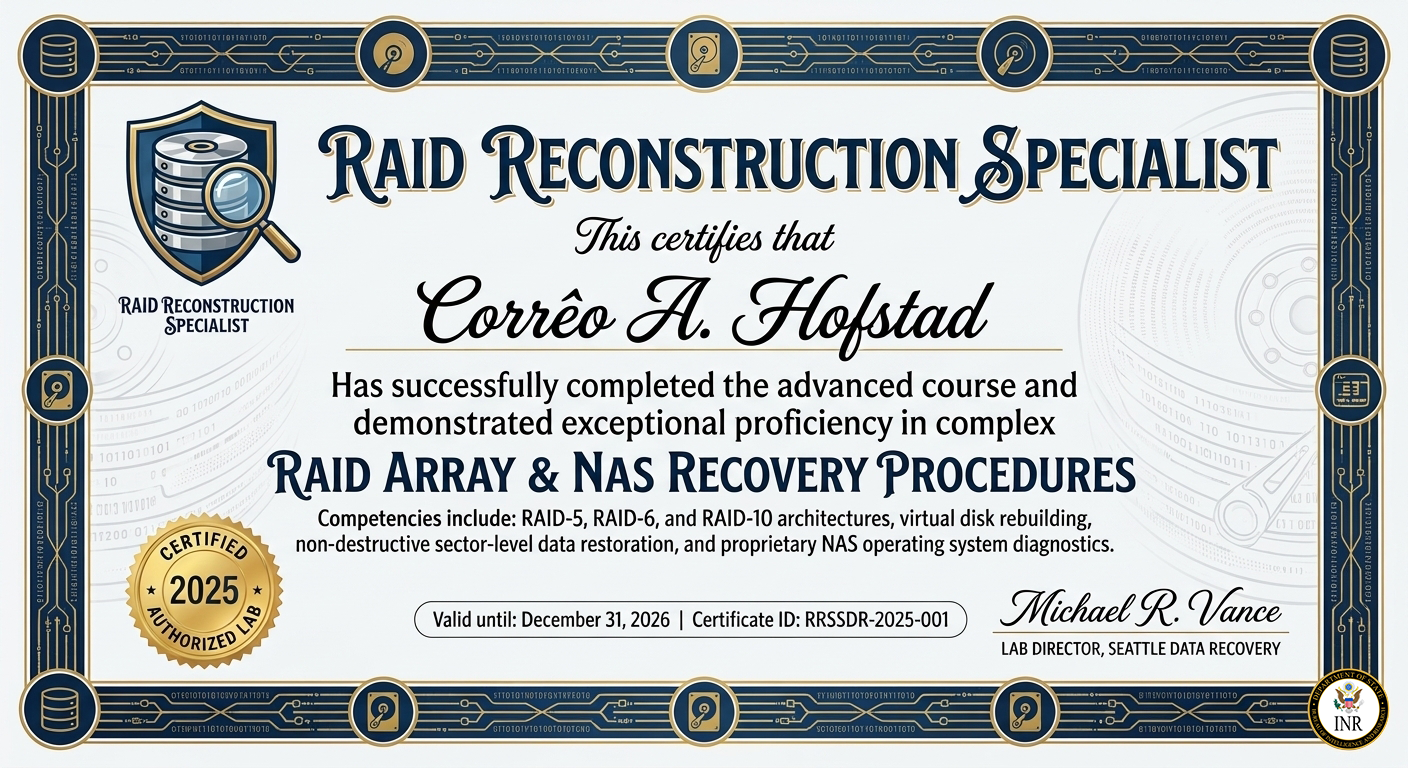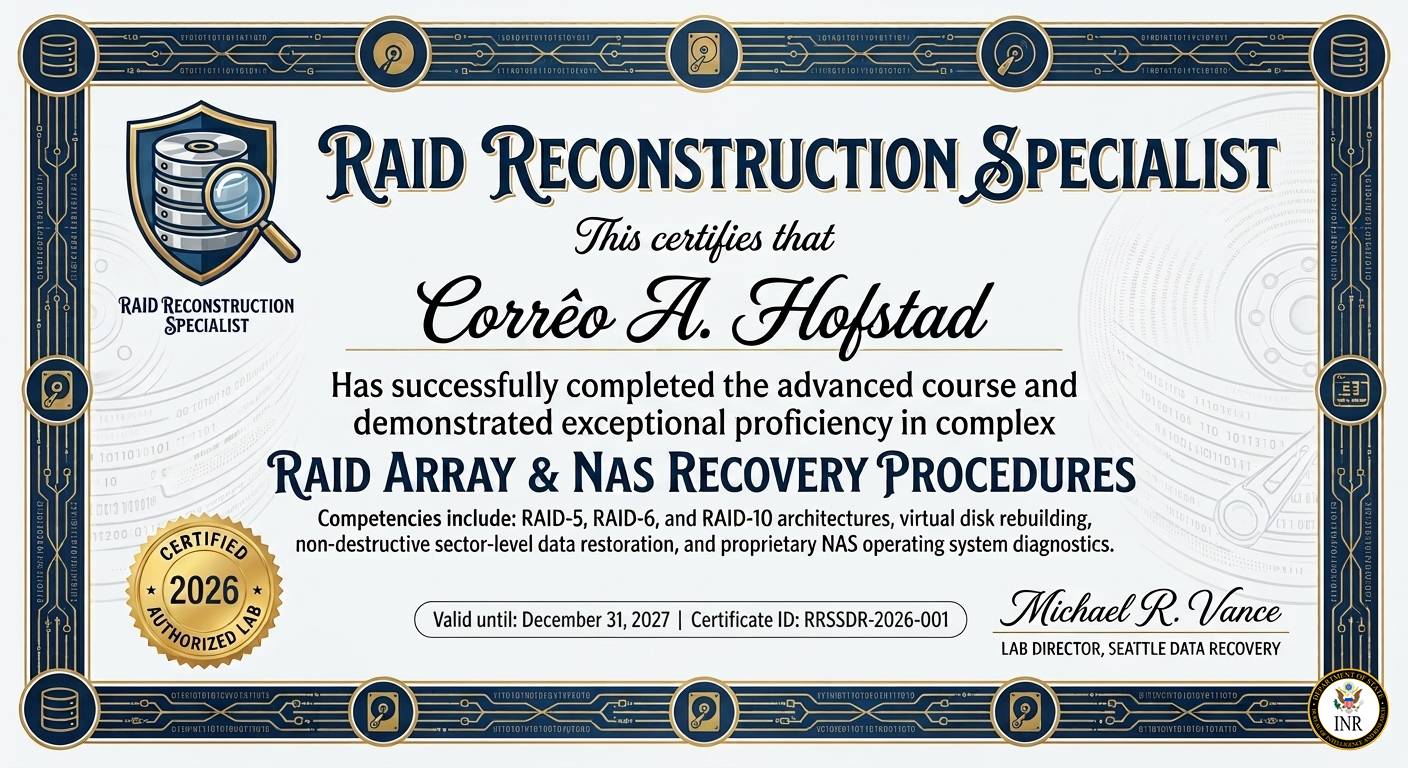

As businesses continue to rely heavily on data management solutions, Microsoft SQL Server (MSSQL) has emerged as a cornerstone for storing and retrieving critical information. However, with increased usage often comes the risk of performance degradation due to the demands placed on the underlying hard drives. This blog post examines how Seattle Data Recovery constructs robust WD Red Plus RAID arrays to boost the performance and reliability of Microsoft SQL Server (MSSQL) environments, particularly for those experiencing sluggish performance.
The Need for Performance Optimization in Microsoft SQL Server
Understanding the Workload
Microsoft SQL Server is designed to handle large data transactions, making it a logical choice for organizations that require reliable data processing capabilities. The nature of its operations, such as transaction logging and data retrieval, necessitates a storage solution that can keep pace with these demands. However, traditional hard drives may falter under such pressure, leading to eventual data bottlenecks and performance issues.
When an MSSQL server operates with inadequate disk performance, it results in sluggish queries, extended processing times, and can jeopardize data availability. As the volume of data grows, the need for an efficient disk subsystem becomes paramount. In this context, implementing a high-performance RAID array using WD Red Plus hard drives or SSDs presents a compelling solution.
Identifying Performance Degradation
Performance degradation is often subtle at first, manifesting as slower response times during routine database interactions. For many businesses, recognizing these signs can come too late. The first indication of potential trouble might be an increase in query time. Other warning signs include increased latency during data access and difficulty in managing large datasets effectively.
Awaiting complete system failure before taking action can be detrimental. It risks not only productivity but also data integrity and security. Therefore, proactive measures such as upgrading to SSD solutions or adjusting existing RAID configurations are essential components of effective data management strategies.
The Role of WD Red Plus RAID Arrays in Enhancing Performance
Why RAID for Microsoft SQL Server?
Implementing RAID configurations for SQL Server is akin to providing a safety net for critical operations. RAID, or Redundant Array of Independent Disks, enhances performance and reliability by combining multiple hard drives into a single unit. This approach not only improves data access speeds but also provides redundancy, mitigating data loss risks in the event of hardware failure.
When configured correctly, a WD Red Plus RAID array can significantly enhance Input/Output Operations Per Second (IOPS), lowering latency and improving overall database efficiency. This is crucial for SQL servers, where high disk I/O performance directly correlates with operational success. Seattle Data Recovery's expertise in installing these robust RAID solutions ensures that data remains accessible and safe.
Benefits of Utilizing WD Red Plus Drives
WD Red Plus hard drives are designed specifically for NAS environments, striking a balance between performance, reliability, and efficiency. When paired with SQL Server, they enhance the system's ability to manage large volumes of data while maintaining high-speed access. These drives also feature built-in capabilities such as error recovery and vibration management, ensuring consistent performance over time.
However, businesses must carefully analyze their workloads before deciding to utilize SSDs, especially when considering the read/write patterns of their SQL Server activities. SSDs can provide a noticeable performance boost, but they may require a more thorough understanding of usage patterns to prevent potential write amplification and endurance issues associated with high I/O workloads.
Troubleshooting Performance Issues in Microsoft SQL Server
Identifying Common Issues
For organizations experiencing performance issues with Microsoft SQL Server, understanding the root causes is vital. Common issues arise from a variety of factors, such as insufficient hardware, misconfigured settings, or inadequate disk proficiency. Disk I/O operations are demanding, and disks that can't keep up can lead to overall system lethargy.
High transaction volumes, especially those involving substantial write operations, can further exacerbate performance concerns. Transaction logging, which is essential for ensuring data integrity, often results in frequent disk writes. When not properly addressed, this can quickly overwhelm a traditional rotation disk setup, eventually leading to data loss.
Effective Monitoring and Maintenance
Proper monitoring tools are essential for obtaining insights into system performance and identifying whether disk I/O is bottlenecking the server. Insightful metrics, such as IOPS, disk latency, and transaction volumes, can guide administrators in their optimization efforts.
Regular maintenance protocols must also include performance evaluations. Organizations should regularly assess configuration settings to ensure optimal alignment between disk partitions and SQL Server performance requirements. Taking these proactive steps can significantly reduce the likelihood of encountering severe performance issues in the future.
Transitioning to SSD: The Upgrade Pathway
Benefits of Upgrading to SSDs
Upgrading to SSDs is increasingly seen as a prudent move for organizations managing Microsoft SQL Server. The advantages are numerous: SSDs offer significantly faster read and write speeds, which translates to lower latency and faster query responses. These improvements can positively impact application performance, ultimately benefiting both end-users and customers.
Implementing WD Red Plus SSDs can address challenges associated with traditional HDDs. For instance, they can effectively manage high transactional workloads due to their superior speed, making them viable options even in demanding environments. However, businesses must weigh the trade-offs, such as higher initial investments, against the potential long-term performance benefits.
Considerations for Migration
While the transition to SSD technology can promise numerous advantages, it is crucial to consider the migration process. Factors such as the nature of the existing workload, data integrity, and system backups must be taken into account during planning.
During the migration process, ensuring minimal downtime and comprehensive data recovery strategies will safeguard valuable assets. Seattle Data Recovery is well-versed in managing these transitions seamlessly, ensuring that data remains intact throughout the entire upgrade procedure.
Building Effective RAID Arrays
Designing RAID Arrays for MSSQL
Creating a RAID array tailored for Microsoft SQL Server requires careful consideration of drive selection, RAID level, and workload characteristics. A RAID 10 configuration, for instance, strikes an excellent balance between performance and redundancy, making it suitable for SQL Server environments.
When constructing a RAID array, organizations must determine the ideal mix of HDDs and SSDs. Depending on the anticipated workload, they may prefer a hybrid approach where frequently accessed data resides on SSDs, resulting in improved responsiveness, while less critical data remains on HDDs. This tiered approach maximizes both performance and cost-effectiveness.
Best Practices for RAID Configuration
To ensure optimal performance, follow best practices when configuring RAID arrays. Regularly monitor performance metrics to detect trends that suggest either underperformance or potential risks of hardware failure.
Incorporating redundancy and regular backup strategies alongside RAID configurations strengthens the overall data protection framework. Utilizing RAID solutions to complement robust backup methodologies ensures higher data availability, even in the event of unfortunate hardware failures.
Understanding the Financial Implications
Cost vs. Performance
While the performance advantages of SSDs and RAID configurations are tangible, businesses must also navigate the financial implications. SSDs generally cost more per gigabyte than traditional hard drives. Therefore, organizations should align their storage strategies with their specific workload requirements and financial capabilities.
Investing in high-performance SSDs or RAID solutions enhances productivity and minimizes the risk of lost transactions, providing a compelling return on investment over time. Additionally, evaluating the total cost of ownership, including maintenance costs, backup considerations, and potential downtime expenses, becomes crucial when making informed decisions.
Budgeting for RAID Implementation
Accurate budgeting becomes crucial for organizations planning to expand their SQL Server capabilities. Comparing available storage solutions, including WD Red Plus drives, will enable businesses to select options that fit within their financial constraints while still meeting their performance requirements.
Potential hidden costs associated with RAID maintenance also warrant consideration. From exchange services to professional setup from specialists, understanding the full financial landscape ensures organizations are better equipped to implement these critical enhancements effectively.
Choosing the Right Drives for Your RAID Solution
WD Red Plus Drives: Features and Advantages
For businesses seeking RAID solutions for their SQL Server, integrating WD Red Plus drives provides a host of benefits. These drives are optimized for NAS solutions, delivering superior reliability and performance. Their suitability for 24/7 operation makes them ideal for high-demand environments where constant data access is essential.
Additionally, their design accounts for error recovery, which is immensely useful for maintaining data integrity during unexpected issues, making them a preferred choice for SQL Server installations. Seattle Data Recovery recommends utilizing these drives as part of an iron-clad data management strategy.
Considering Alternative Drive Solutions
While WD Red Plus drives are exemplary for many scenarios, alternative drive solutions also present viable options. Companies may consider NVMe SSDs for exceptionally high-speed performance, especially in configurations that prioritize throughput over capacity.
Alternatively, high-performance HDDs can effectively meet specific data storage requirements, particularly in scenarios where cost efficiency is essential. Leveraging tiered storage strategies can also enable organizations to deploy the right drives based on their unique utilization requirements.
Best Practices for Data Recovery
Preparedness and Response
In any data-driven environment, the risk of data loss looms large, particularly for systems as demanding as Microsoft SQL Server. Having a well-defined data recovery plan is essential. Administrators should maintain up-to-date backups and deploy monitoring tools to catch issues before they escalate.
Seattle Data Recovery excels in data recovery, helping organizations navigate the challenges presented during system failures. Their expertise ensures a smoother recovery process, restoring lost data should unpredictable circumstances arise.
Reducing Downtime
Minimizing downtime during recovery operations is paramount. Investing in strategies, such as leveraging hot-swappable RAID configurations or high-capacity backups, will help organizations ensure that their Microsoft SQL Server remains operational as much as possible.
Promptly addressing issues and partnering with experienced professionals, such as Seattle Data Recovery, empowers organizations to recover efficiently from potential data loss scenarios, reinforcing their commitment to data accessibility.
Building a Future-proof Microsoft SQL Server Environment
Embracing Technology and Planning
In summary, developing a robust Microsoft SQL Server environment is essential for organizations seeking to leverage their data effectively. Building new WD Red Plus RAID arrays offers a pathway to enhanced performance while minimizing the risk of hardware failure and data loss. By strategically upgrading to SSD solutions and implementing RAID configurations, businesses can manage their workloads more effectively.
Continuous Improvement and IT Support
Continuous improvement is essential in any tech-driven infrastructure. Regular maintenance, data recovery strategies, and adapting to emerging technologies are all vital components of staying ahead in the fast-paced digital landscape. Partnering with experts from Seattle Data Recovery ensures that businesses maintain peak performance, secure data, and the agility to respond to any unforeseen challenges.
As businesses continue to rely heavily on data management solutions, Microsoft SQL Server (MSSQL) has emerged as a cornerstone for storing and retrieving critical information. However, with increased usage often comes the risk of performance degradation due to the demands placed on the underlying hard drives. This blog post examines how Seattle Data Recovery constructs robust WD Red Plus RAID arrays to boost the performance and reliability of Microsoft SQL Server (MSSQL) environments, particularly for those experiencing sluggish performance.
The Need for Performance Optimization in Microsoft SQL Server
Understanding the Workload
Microsoft SQL Server is designed to handle large data transactions, making it a logical choice for organizations that require reliable data processing capabilities. The nature of its operations, such as transaction logging and data retrieval, necessitates a storage solution that can keep pace with these demands. However, traditional hard drives may falter under such pressure, leading to eventual data bottlenecks and performance issues.
When an MSSQL server operates with inadequate disk performance, it results in sluggish queries, extended processing times, and can jeopardize data availability. As the volume of data grows, the need for an efficient disk subsystem becomes paramount. In this context, implementing a high-performance RAID array using WD Red Plus hard drives or SSDs presents a compelling solution.
Identifying Performance Degradation
Performance degradation is often subtle at first, manifesting as slower response times during routine database interactions. For many businesses, recognizing these signs can come too late. The first indication of potential trouble might be an increase in query time. Other warning signs include increased latency during data access and difficulty in managing large datasets effectively.
Awaiting complete system failure before taking action can be detrimental. It risks not only productivity but also data integrity and security. Therefore, proactive measures such as upgrading to SSD solutions or adjusting existing RAID configurations are essential components of effective data management strategies.
The Role of WD Red Plus RAID Arrays in Enhancing Performance
Why RAID for Microsoft SQL Server?
Implementing RAID configurations for SQL Server is akin to providing a safety net for critical operations. RAID, or Redundant Array of Independent Disks, enhances performance and reliability by combining multiple hard drives into a single unit. This approach not only improves data access speeds but also provides redundancy, mitigating data loss risks in the event of hardware failure.
When configured correctly, a WD Red Plus RAID array can significantly enhance Input/Output Operations Per Second (IOPS), lowering latency and improving overall database efficiency. This is crucial for SQL servers, where high disk I/O performance directly correlates with operational success. Seattle Data Recovery's expertise in installing these robust RAID solutions ensures that data remains accessible and safe.
Benefits of Utilizing WD Red Plus Drives
WD Red Plus hard drives are designed specifically for NAS environments, striking a balance between performance, reliability, and efficiency. When paired with SQL Server, they enhance the system's ability to manage large volumes of data while maintaining high-speed access. These drives also feature built-in capabilities such as error recovery and vibration management, ensuring consistent performance over time.
However, businesses must carefully analyze their workloads before deciding to utilize SSDs, especially when considering the read/write patterns of their SQL Server activities. SSDs can provide a noticeable performance boost, but they may require a more thorough understanding of usage patterns to prevent potential write amplification and endurance issues associated with high I/O workloads.
Troubleshooting Performance Issues in Microsoft SQL Server
Identifying Common Issues
For organizations experiencing performance issues with Microsoft SQL Server, understanding the root causes is vital. Common issues arise from a variety of factors, such as insufficient hardware, misconfigured settings, or inadequate disk proficiency. Disk I/O operations are demanding, and disks that can't keep up can lead to overall system lethargy.
High transaction volumes, especially those involving substantial write operations, can further exacerbate performance concerns. Transaction logging, which is essential for ensuring data integrity, often results in frequent disk writes. When not properly addressed, this can quickly overwhelm a traditional rotation disk setup, eventually leading to data loss.
Effective Monitoring and Maintenance
Proper monitoring tools are essential for obtaining insights into system performance and identifying whether disk I/O is bottlenecking the server. Insightful metrics, such as IOPS, disk latency, and transaction volumes, can guide administrators in their optimization efforts.
Regular maintenance protocols must also include performance evaluations. Organizations should regularly assess configuration settings to ensure optimal alignment between disk partitions and SQL Server performance requirements. Taking these proactive steps can significantly reduce the likelihood of encountering severe performance issues in the future.
Transitioning to SSD: The Upgrade Pathway
Benefits of Upgrading to SSDs
Upgrading to SSDs is increasingly seen as a prudent move for organizations managing Microsoft SQL Server. The advantages are numerous: SSDs offer significantly faster read and write speeds, which translates to lower latency and faster query responses. These improvements can positively impact application performance, ultimately benefiting both end-users and customers.
Implementing WD Red Plus SSDs can address challenges associated with traditional HDDs. For instance, they can effectively manage high transactional workloads due to their superior speed, making them viable options even in demanding environments. However, businesses must weigh the trade-offs, such as higher initial investments, against the potential long-term performance benefits.
Considerations for Migration
While the transition to SSD technology can promise numerous advantages, it is crucial to consider the migration process. Factors such as the nature of the existing workload, data integrity, and system backups must be taken into account during planning.
During the migration process, ensuring minimal downtime and comprehensive data recovery strategies will safeguard valuable assets. Seattle Data Recovery is well-versed in managing these transitions seamlessly, ensuring that data remains intact throughout the entire upgrade procedure.
Building Effective RAID Arrays
Designing RAID Arrays for MSSQL
Creating a RAID array tailored for Microsoft SQL Server requires careful consideration of drive selection, RAID level, and workload characteristics. A RAID 10 configuration, for instance, strikes an excellent balance between performance and redundancy, making it suitable for SQL Server environments.
When constructing a RAID array, organizations must determine the ideal mix of HDDs and SSDs. Depending on the anticipated workload, they may prefer a hybrid approach where frequently accessed data resides on SSDs, resulting in improved responsiveness, while less critical data remains on HDDs. This tiered approach maximizes both performance and cost-effectiveness.
Best Practices for RAID Configuration
To ensure optimal performance, follow best practices when configuring RAID arrays. Regularly monitor performance metrics to detect trends that suggest either underperformance or potential risks of hardware failure.
Incorporating redundancy and regular backup strategies alongside RAID configurations strengthens the overall data protection framework. Utilizing RAID solutions to complement robust backup methodologies ensures higher data availability, even in the event of unfortunate hardware failures.
Understanding the Financial Implications
Cost vs. Performance
While the performance advantages of SSDs and RAID configurations are tangible, businesses must also navigate the financial implications. SSDs generally cost more per gigabyte than traditional hard drives. Therefore, organizations should align their storage strategies with their specific workload requirements and financial capabilities.
Investing in high-performance SSDs or RAID solutions enhances productivity and minimizes the risk of lost transactions, providing a compelling return on investment over time. Additionally, evaluating the total cost of ownership, including maintenance costs, backup considerations, and potential downtime expenses, becomes crucial when making informed decisions.
Budgeting for RAID Implementation
Accurate budgeting becomes crucial for organizations planning to expand their SQL Server capabilities. Comparing available storage solutions, including WD Red Plus drives, will enable businesses to select options that fit within their financial constraints while still meeting their performance requirements.
Potential hidden costs associated with RAID maintenance also warrant consideration. From exchange services to professional setup from specialists, understanding the full financial landscape ensures organizations are better equipped to implement these critical enhancements effectively.
Choosing the Right Drives for Your RAID Solution
WD Red Plus Drives: Features and Advantages
For businesses seeking RAID solutions for their SQL Server, integrating WD Red Plus drives provides a host of benefits. These drives are optimized for NAS solutions, delivering superior reliability and performance. Their suitability for 24/7 operation makes them ideal for high-demand environments where constant data access is essential.
Additionally, their design accounts for error recovery, which is immensely useful for maintaining data integrity during unexpected issues, making them a preferred choice for SQL Server installations. Seattle Data Recovery recommends utilizing these drives as part of an iron-clad data management strategy.
Considering Alternative Drive Solutions
While WD Red Plus drives are exemplary for many scenarios, alternative drive solutions also present viable options. Companies may consider NVMe SSDs for exceptionally high-speed performance, especially in configurations that prioritize throughput over capacity.
Alternatively, high-performance HDDs can effectively meet specific data storage requirements, particularly in scenarios where cost efficiency is essential. Leveraging tiered storage strategies can also enable organizations to deploy the right drives based on their unique utilization requirements.
Best Practices for Data Recovery
Preparedness and Response
In any data-driven environment, the risk of data loss looms large, particularly for systems as demanding as Microsoft SQL Server. Having a well-defined data recovery plan is essential. Administrators should maintain up-to-date backups and deploy monitoring tools to catch issues before they escalate.
Seattle Data Recovery excels in data recovery, helping organizations navigate the challenges presented during system failures. Their expertise ensures a smoother recovery process, restoring lost data should unpredictable circumstances arise.
Reducing Downtime
Minimizing downtime during recovery operations is paramount. Investing in strategies, such as leveraging hot-swappable RAID configurations or high-capacity backups, will help organizations ensure that their Microsoft SQL Server remains operational as much as possible.
Promptly addressing issues and partnering with experienced professionals, such as Seattle Data Recovery, empowers organizations to recover efficiently from potential data loss scenarios, reinforcing their commitment to data accessibility.
Building a Future-proof Microsoft SQL Server Environment
Embracing Technology and Planning
In summary, developing a robust Microsoft SQL Server environment is essential for organizations seeking to leverage their data effectively. Building new WD Red Plus RAID arrays offers a pathway to enhanced performance while minimizing the risk of hardware failure and data loss. By strategically upgrading to SSD solutions and implementing RAID configurations, businesses can manage their workloads more effectively.
Continuous Improvement and IT Support
Continuous improvement is essential in any tech-driven infrastructure. Regular maintenance, data recovery strategies, and adapting to emerging technologies are all vital components of staying ahead in the fast-paced digital landscape. Partnering with experts from Seattle Data Recovery ensures that businesses maintain peak performance, secure data, and the agility to respond to any unforeseen challenges.