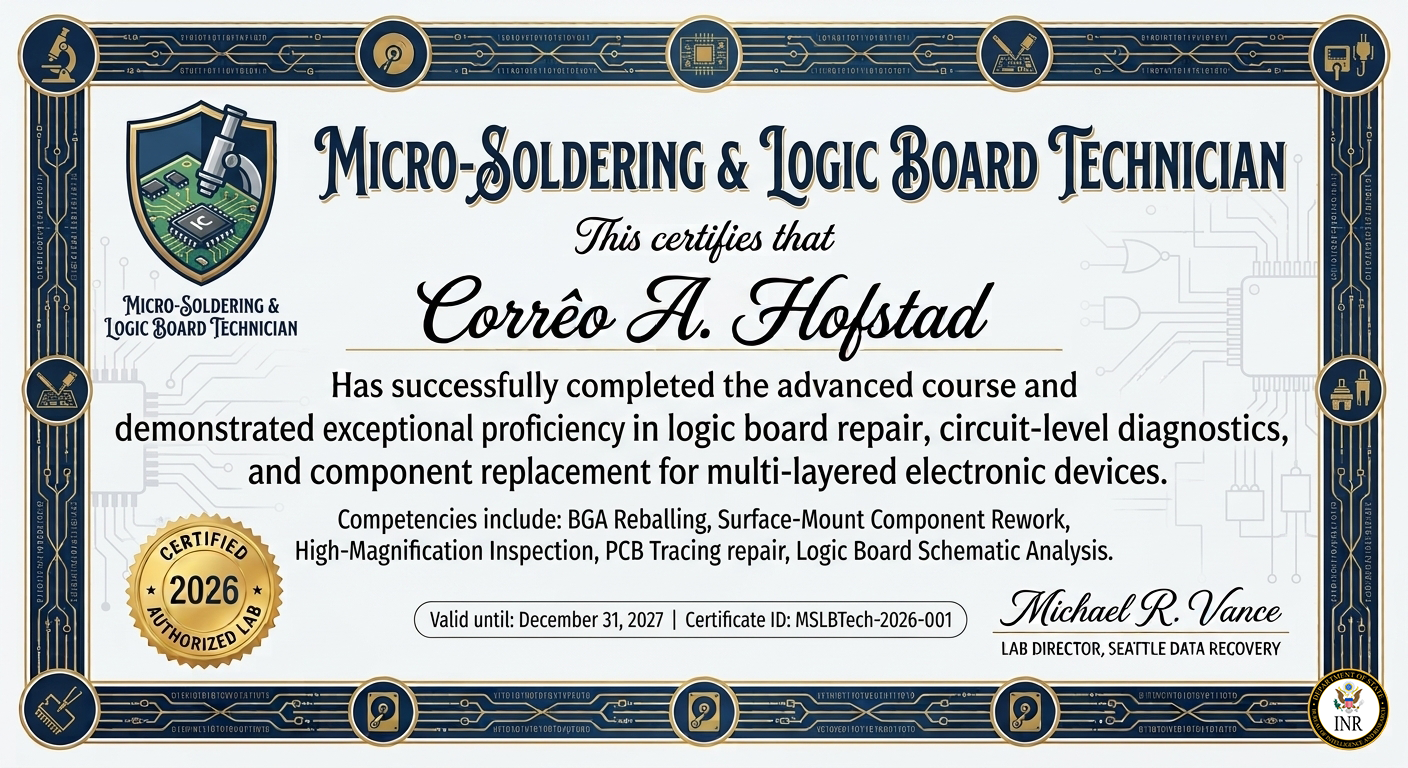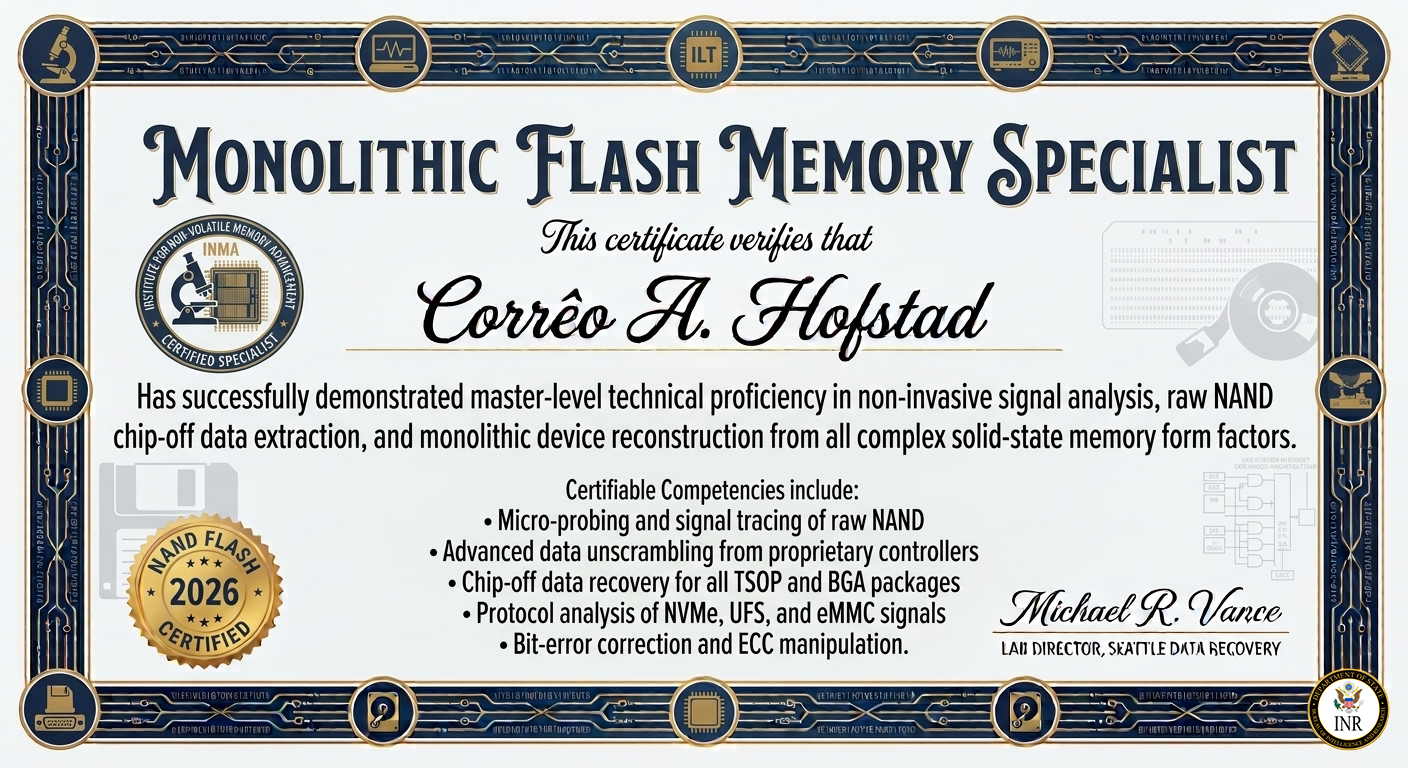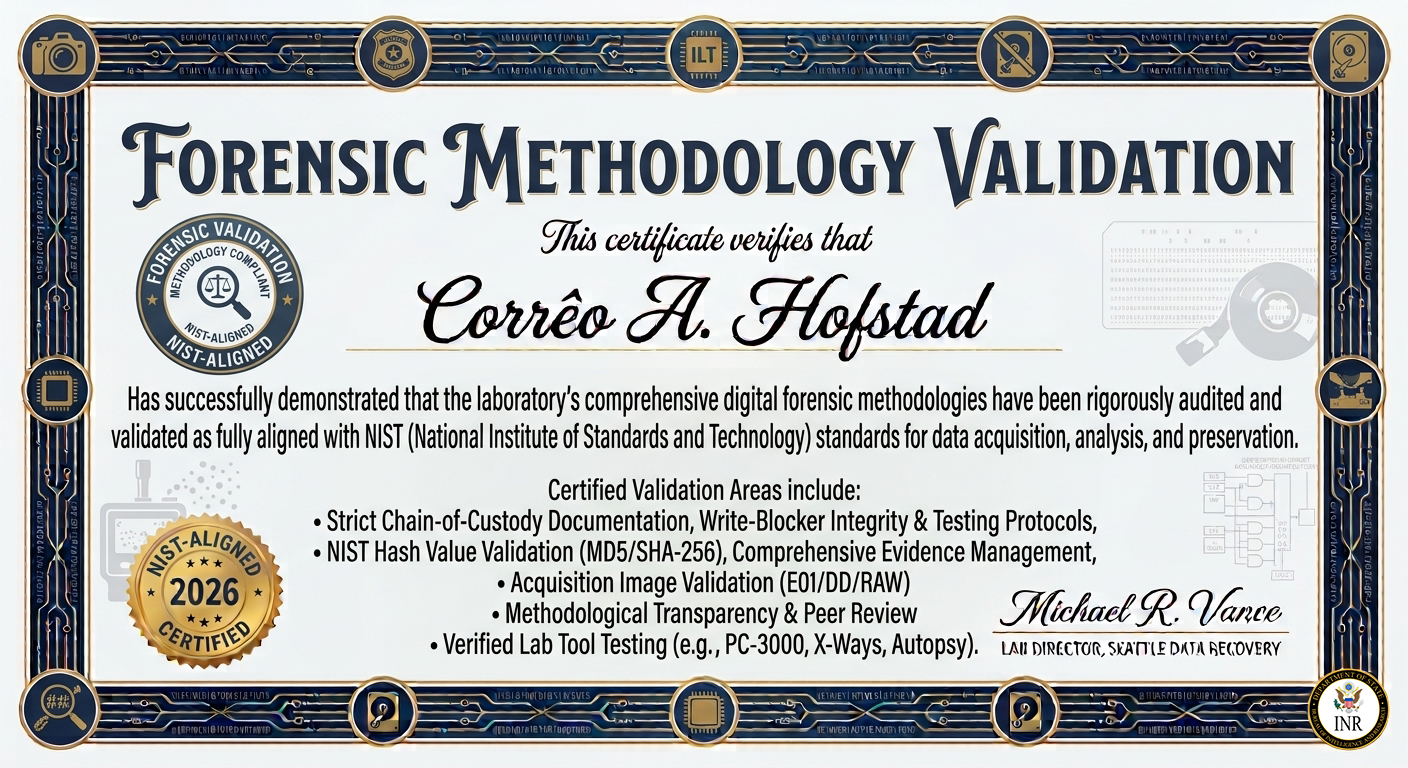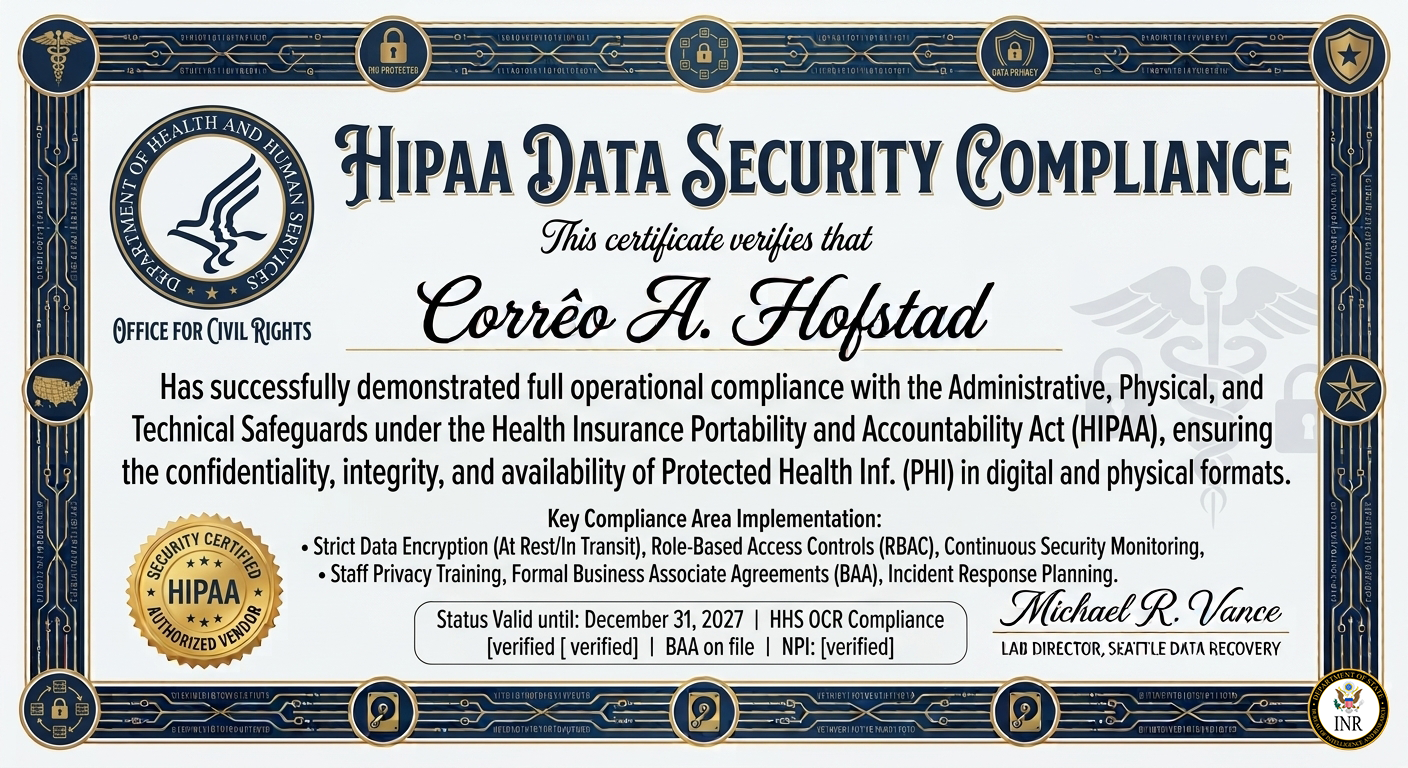
In the bustling Ballard neighborhood of Seattle, where technology intersects with everyday life, Seattle Data Recovery stands as a beacon of hope for those facing the frustration of lost data from their cherished Apple devices. Particularly adept at the intricate art of chip-off data recovery for the first-generation iPhone, known affectionately as the iPhone 2G, Seattle Data Recovery has established itself as a trusted partner in the realm of iPhone data recovery. Recognizing the importance of our digital memories, this blog examines the methods, challenges, and ultimate triumphs of recovering lost data from this iconic device.
The First-Generation iPhone: A Nostalgic Journey
A Revolutionary Device
Launched on June 29, 2007, the first-generation iPhone represents a monumental leap in mobile technology. It was during a time when touchscreens were often relegated to the realm of futuristic concepts. However, Apple's visionary design introduced a multi-touch interface that transformed how users interacted with their devices. This was more than just a phone—it combined a mobile phone, an iPod, and an internet communicator into one sleek device.
Features That Changed the Game
The iPhone 2G featured a range of innovative capabilities for its time. Its glass multi-touch display set the standard for future smartphones. Running on the initial version of iOS, the device showcased the potential of a handheld computer with a seamless user experience. The design integrated a chrome-plated frame and a 2-megapixel camera, pushing the boundaries of what a mobile device could accomplish. These features established the template for smartphones that followed, showcasing the importance of intuitive design and connectivity.
The Need for Data Recovery
Understanding Data Loss
With innovation comes the inevitable risks of technological failures. As these devices age, users may experience data loss due to various factors, including physical damage, water or liquid damage, or software malfunctions. Some may think that losing irreplaceable photos, messages, and files is the end, but Seattle Data Recovery offers a glimmer of hope through expert iPhone data recovery services.
The Challenge of the First-Generation iPhone
For first-generation iPhone users, finding effective recovery solutions is particularly challenging due to the age of their device and the proprietary technology incorporated into its design. When traditional recovery methods fail, chip-off recovery emerges as a viable yet complex option. By employing advanced techniques, professionals can recover valuable data that users assumed was lost forever.
Chip-Off Recovery: The Technical Marvel
What is Chip-Off Recovery?
Chip-off recovery is a sophisticated procedure that entails physically removing the NAND flash memory chip from the iPhone's motherboard. This process enables specialists to access data that conventional recovery methods cannot, particularly when the device has suffered severe physical damage or the motherboard fails to respond.
When is Chip-Off Recovery Necessary?
One of the most pressing questions for users experiencing data loss is whether chip-off recovery is necessary. This method is ideal for scenarios involving severe physical damage, such as fire or water exposure. Additionally, if the device becomes unresponsive and cannot be accessed conventionally, chip-off recovery may represent the last opportunity for data retrieval.
The Chip-Off Recovery Process
Step 1: Assessment and Diagnosis
The restoration journey begins with a thorough assessment and diagnosis of the device. Seasoned technicians evaluate whether chip-off recovery is a feasible option, considering the device's condition, including the controller version and type of memory chip. This evaluation is critical since it determines the next steps in the recovery process.
Step 2: Chip Removal
Once the assessment confirms the possibility of recovery, skilled technicians carefully remove the NAND flash memory chip. Using specialized equipment such as a BGA IR rework station, the technicians ensure that the removal is executed without causing further damage to the chip or the motherboard. This step requires precision and experience, as improper handling can jeopardize data extraction.
A Closer Look at the Recovery Steps
Step 3: Chip Cleaning and Preparation
Following the removal, the NAND chip undergoes a meticulous cleaning and preparation process. The contacts on the chip are carefully cleaned using several tools, including solder flux and sandpaper, to ensure proper connections for reading the chip's content. Paying attention to detail at this stage is crucial for successful data extraction from the chip.
Step 4: Data Extraction
Once prepared, the chip is connected to specialized data recovery tools such as PC3000-Flash. These advanced tools enable technicians to read the chip's contents, allowing access to the data stored within. This step represents a significant breakthrough for users hoping to recover treasured files from their devices.
Overcoming Challenges in Data Recovery
Step 5: Data Reconstruction
After successfully extracting the data from the chip, technicians face the Challenge of reconstructing the information. This process involves correcting errors that have occurred during extraction. For example, error-correcting code (ECC) errors may need to be resolved, which is essential for rebuilding the user's folder structure.
The Emotional Aspect of Data Recovery
The emotional significance of data recovery cannot be overlooked. Users often experience a rollercoaster of emotions as they await the verdict of their data's fate. Memories captured in photos, important documents, and cherished messages create a strong connection between users and their devices. Therefore, the commitment shown by Seattle Data Recovery in restoring data loss is profound.
Why Choose Seattle Data Recovery?
Expertise in First-Generation iPhone Recovery
Seattle Data Recovery prides itself on its expertise in restoring lost data from the first-generation iPhone. With a specialized focus on chip-off recovery, the technicians possess the skills and knowledge necessary to navigate the challenges presented by older devices. This dedication to professional service has garnered trust and loyalty within the Seattle community.
Commitment to Customer Satisfaction
In addition to advanced technical skills, Seattle Data Recovery prioritizes customer satisfaction. The team understands the urgency surrounding data loss, emphasizing transparent communication and timely service. Clients can expect regular updates throughout the recovery process, reinforcing confidence and peace of mind during what can otherwise be a stressful experience.
Testimonials and Success Stories
A Testament to Reliability
The numerous success stories shared by satisfied clients serve as a testament to Seattle Data Recovery's reliability and expertise. Many have expressed gratitude for recovering lost files, praising the technicians' professionalism and expertise. These testimonials underscore the importance of selecting a specialized service for iPhone data recovery.
Building Trust Through Transparency
In the digital age, trust is paramount. Seattle Data Recovery fosters trust through transparency in their processes and pricing. Clients can rest assured that they are receiving high-quality service without hidden fees or unexpected charges. This commitment to integrity further solidifies their reputation as a leader in the data recovery field.
Conclusion: A Lifeline for Lost Memories
In conclusion, Seattle Data Recovery stands out as an exceptional provider of data recovery services for first-generation iPhones. Through their expertise in chip-off recovery, they salvage cherished memories from devices that many believe are beyond repair. As the landscape of technology continues to evolve, the stories of lost and recovered data resonate powerfully, reminding us of the importance of our digital memories.
With their meticulous approach, commitment to customer satisfaction, and profound respect for the emotional connections we hold with our devices, Seattle Data Recovery breathes new life into our most cherished technological companions.