
The World of Data Recovery Costs
We've all experienced that sinking feeling when our important files go missing. Whether it's precious family photos, critical work documents, or vital business data, losing access to your data can be a stressful experience. Naturally, many wonder why data recovery is so expensive. The truth is, data recovery is a complex, highly specialized service that involves more than just plugging in a hard drive and pressing a button. Behind the scenes, an intricate dance of advanced technology, expert skill, and strict environmental controls all contribute to the hefty price tag.
Let's take you on a friendly, detailed journey through the factors that contribute to the expense of data recovery. From the skills of technicians to the tools they use, and the risks involved, you'll gain a clear understanding of what goes into retrieving your lost data—often with a "no data, no fee" guarantee from trusted Seattle Data Recovery providers.
The Experts in the Labs and Clean Rooms: Specialized Skills That Save Your Data

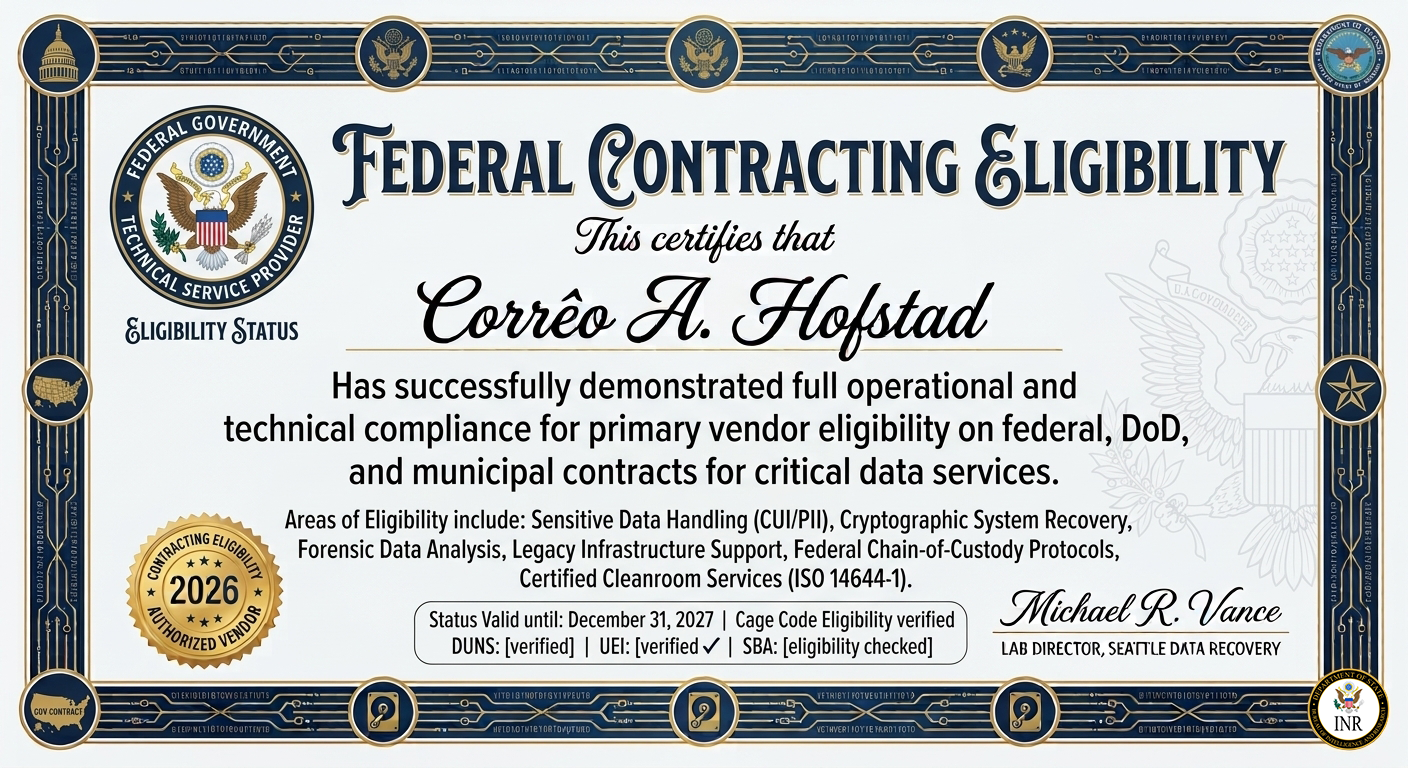
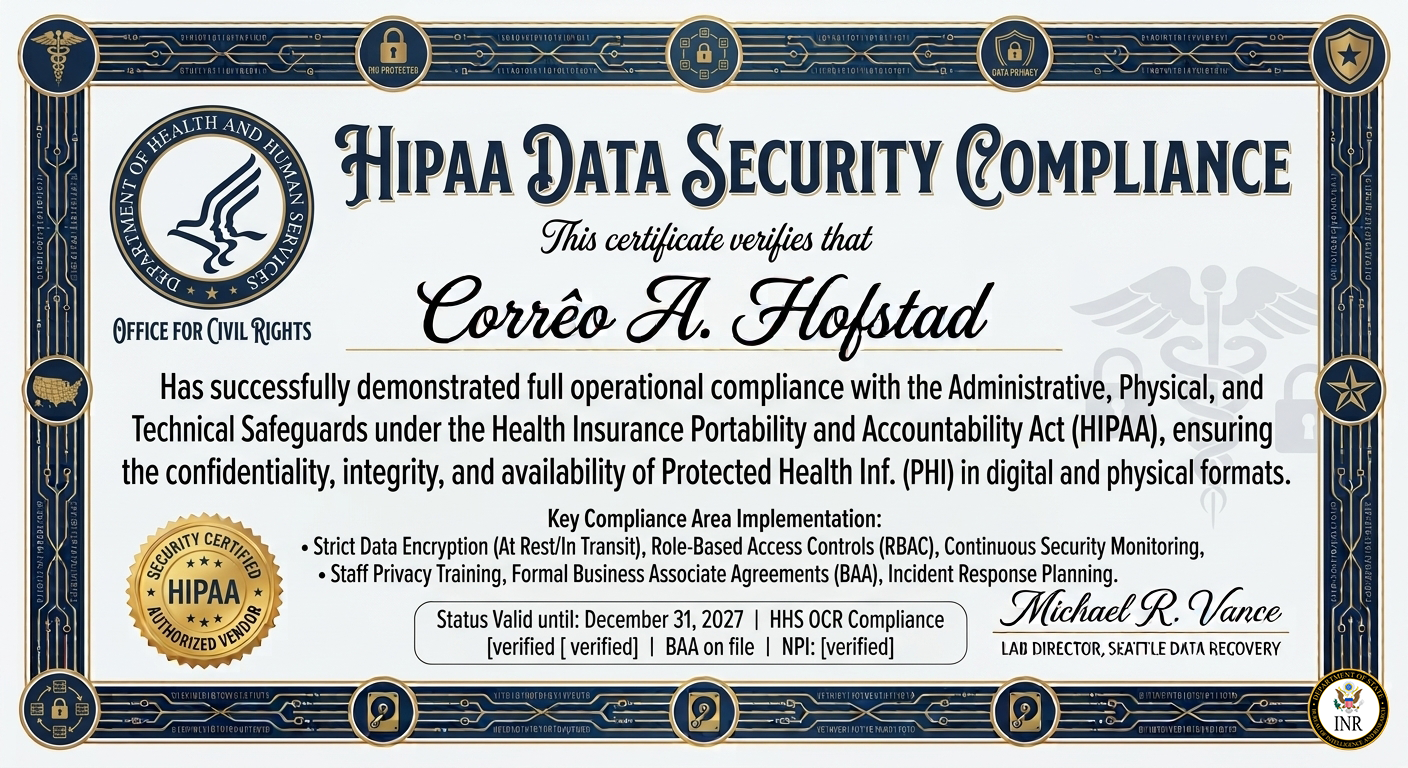
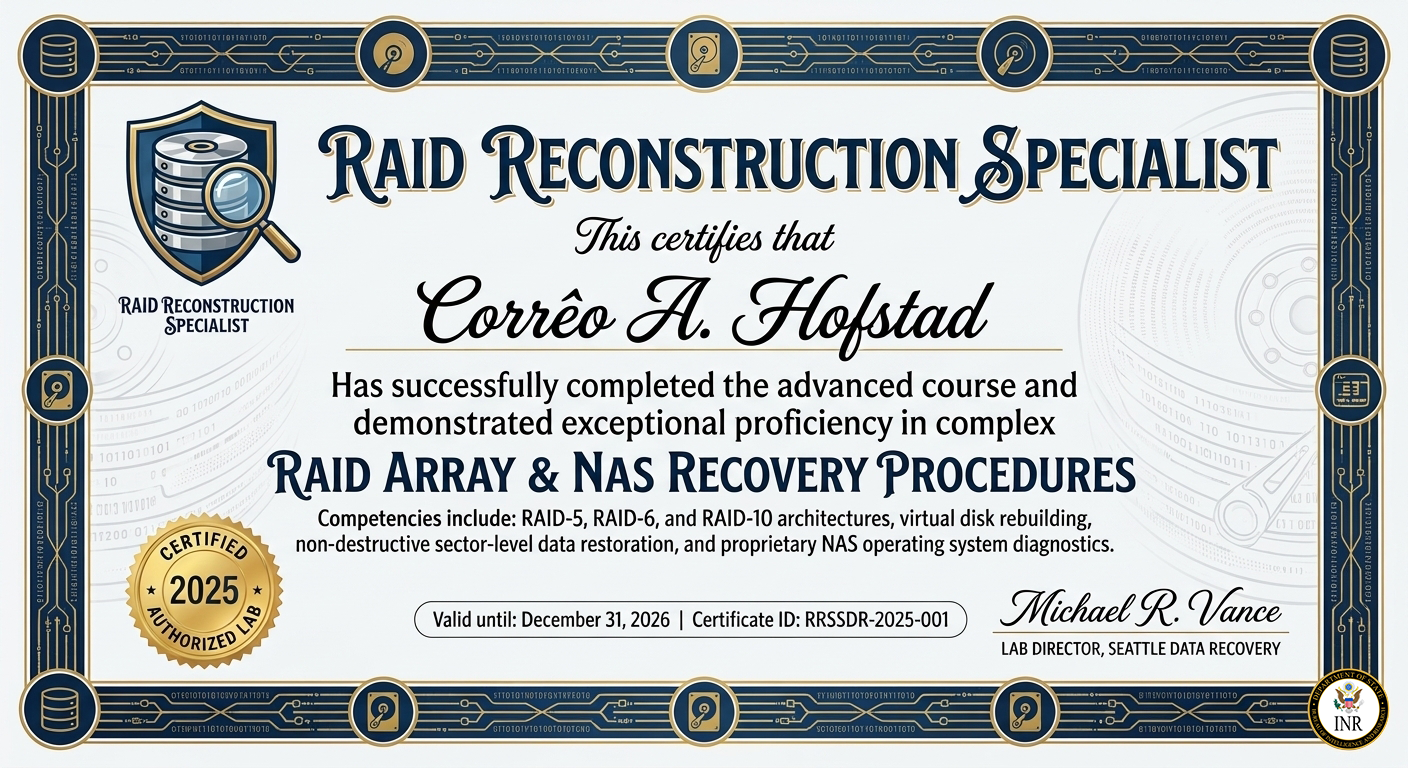
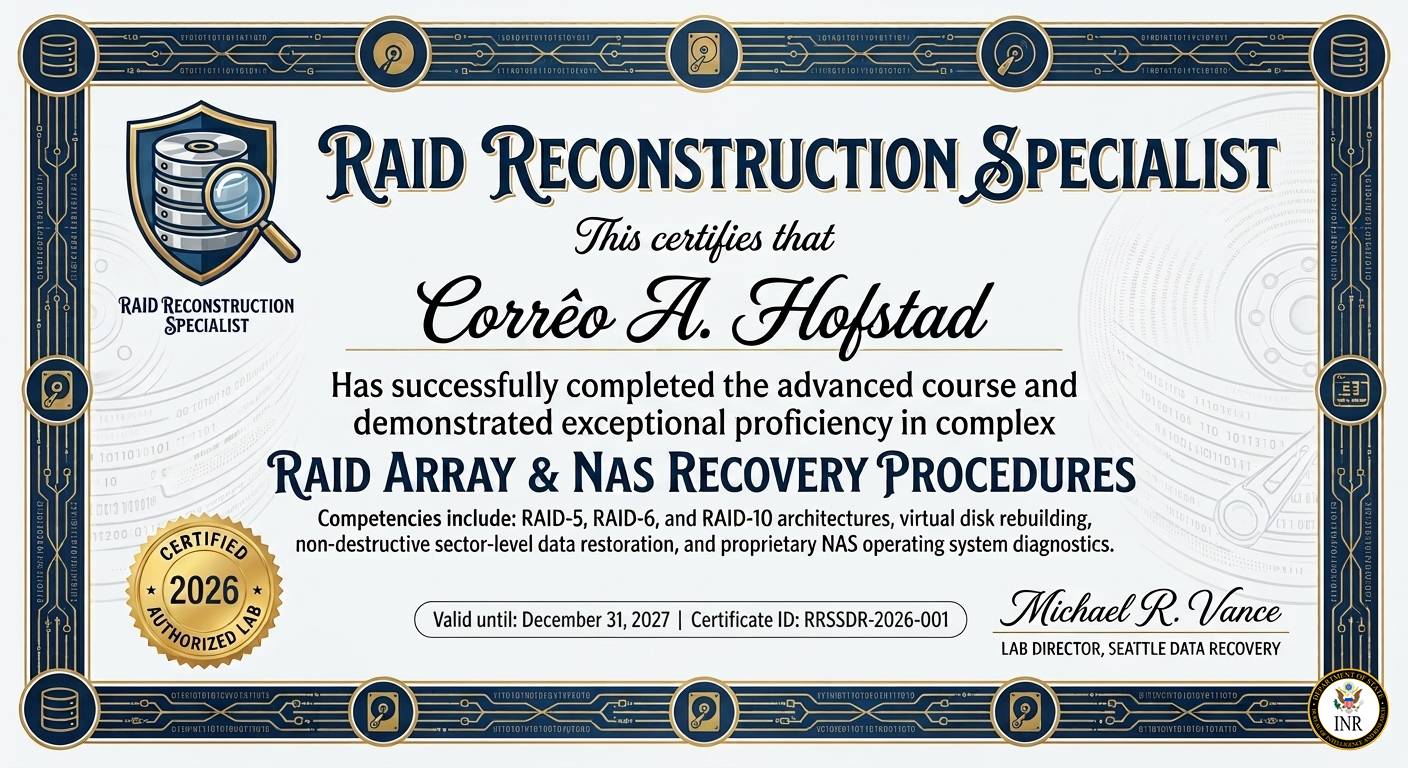
Firstly, one of the primary reasons for high prices is the expertise required. Data recovery engineers possess deep knowledge of complex hard drive mechanisms, intricate file systems, and data structures. They often spend years honing their craft, staying current with evolving hardware and software technologies. Continuous training ensures they can handle even the most advanced storage devices, which constantly introduce new challenges.
Additionally, their skill set includes troubleshooting complex problems, precisely diagnosing damage, and implementing effective recovery strategies. This level of expertise isn't easily acquired or cheap. Companies like Seattle Data Recovery invest heavily in training their specialists, knowing that a mistake can result in the permanent loss of data. As a result, specialized skills come with higher labor costs—part of why data recovery prices reach into the thousands.
Cutting-Edge Tools and Technology: The Price of Innovation
Next, let's discuss the advanced tools and proprietary technology that enable successful data recovery. Labs use specialized hardware and software that aren't available to the general public. For example, sophisticated imaging software helps extract data even from severely damaged drives. Hardware tools facilitate delicate operations on fragile components, often under strict conditions.
Furthermore, many recovery labs maintain large donor parts libraries. They need compatible replacement parts—like identical hard drive components—to repair physically damaged drives. This often means stocking numerous hard drive models, which is an expensive ongoing expense for companies like Seattle Data Recovery. Without these tools and parts, recovery chances drop dramatically, but their cost significantly contributes to why data recovery can be so expensive.
The Costly Sanctuary: Cleanroom Facilities for Hardware Failures
One of the most visual and critical components of data recovery is the cleanroom laboratory environment. Hard drives contain incredibly delicate platters, which are highly susceptible to dust, dirt, and other contaminants. Opening a drive in a standard environment risks causing irreversible damage, so professionals perform this work in certified cleanroom facilities.
Maintaining such a clean environment involves high overhead costs. Precise control of air filtration, temperature, and humidity is necessary to prevent contamination. For example, gloves, uniforms, and antistatic materials are used only once, adding to expenses. The process is meticulous and costly, but essential when salvaging physical damage—this is why cleanroom facilities significantly elevate the overall cost of data recovery.
The Intensity and Time: Why Recovery Is Often a Labor-Intensive Process
Every recovery case is unique and often time-consuming. Even a straightforward recovery can take hours, while complex failures, such as mechanical or fire damage, require painstaking, detail-oriented work. For example, fixing a drive suffering from a mechanical failure, such as a clicking sound, involves carefully disassembling, diagnosing, and repairing the components—step by step.
The severity and complexity of damage directly influence the cost. Logical failures, such as accidental deletion or software corruption, tend to be less costly, usually between: $$ \$600 \text{ and } \$1,300 $$ Mechanical failures or water damage, however, can push costs over $2,500 or more. It's worth noting that reputable Seattle Data Recovery providers perform initial diagnostics for, so you understand what's involved before committing to the expenses.
The Dilemma of Chip-Off Data Recovery: Dangerous and Delicate Work
Now, let's examine why chip-off data recovery is a risky process. This method is employed when physical damage makes standard recovery impossible, or when conventional repairing isn't enough. It involves physically removing the storage chip (such as NAND flash memory) from the circuit board—a process that's not only delicate but inherently risky.
The procedure involves desoldering the lead for chip-off recovery, requiring precision and experience. Any mistake—such as applying too much heat—can irreparably damage the data and/or injure our technicians. While this method provides access to data on severely damaged devices, it poses risks to technicians and is costly for clients. It also exposes professionals to health hazards from toxic fumes released during the desoldering process, including fumes from melting solder and flux.
The Risks and Challenges of Chip-Off Data Recovery: Why It's Such a Last Resort
Once the chip is removed, the data stored on it isn't immediately accessible. The flash memory utilizes complex translation layers, which the device's controller manages. Simply reading raw data isn't enough; technicians need to understand and reverse-engineer these proprietary systems to gain a deeper understanding. This step is laborious and requires high-level expertise in electronics and data forensics.
Adding to the difficulty, chip-off data recovery is hazardous due to the potential for irreversible data loss if mistakes occur. Applying improper heat, pressure, or handling can cause irreparable damage to the chip. As a result, this high-stakes process significantly boosts the overall costs of recovery attempts—and illustrates why DIY attempts often lead to complete data loss.
Encryption: The Modern Security Wall Your Data Must Conquer
Even if technicians succeed in physically extracting data, modern encryption can thwart all efforts to access it. Many devices, such as iPhones and high-end SSDs, store encryption keys separately from data, often tied to specialized chips like the Secure Enclave.
Without the correct controller or key present, even the raw data on the chip becomes useless. Reverse-engineering or bypassing encryption involves complex and costly procedures, often requiring specialized knowledge of proprietary hardware and software. This additional hurdle further explains why data recovery — especially from encrypted devices — carries hefty costs.
The Health and Safety Risks: Protecting Technicians While Saving Your Data
A less obvious but significant factor is the health risk associated with data recovery procedures, particularly chip-off recovery. Melting solder releases toxic fumes that can irritate the eyes, lungs, and skin, and prolonged exposure can lead to occupational health issues, such as respiratory diseases.
Technicians working on these processes must use proper ventilation, fume extraction systems, and protective gear. Companies like Seattle Data Recovery prioritize safety to protect their staff, but these measures naturally add to operational costs, which are reflected in the overall recovery price. Additionally, improper handling in DIY scenarios can not only endanger your data but also compromise your health.
Why Choose Experts? The Importance of Specialized Knowledge and Equipment
Given all the risks, complexities, and costs involved, it's clear that expert specialization is vital in data recovery. Only trained professionals with the right equipment can execute delicate procedures, such as desoldering leads for chip-off recovery, safely and successfully. Attempting to recover data yourself can result in permanent loss and potentially dangerous health hazards.
Reputable providers, such as Seattle Data Recovery, ensure that they operate with strict safety protocols, sophisticated tools, and continuous staff training. Although the expenses seem high upfront, the peace of mind that your data is in capable, experienced hands—and the increased likelihood of successful recovery—are well worth it.
Making Sense of the Price Tag: What Contributes to the Cost of Data Recovery
To summarize, several factors contribute to why data recovery can be expensive:
- Highly specialized skills and ongoing training
- Advanced tools and proprietary hardware/software
- Cleanroom laboratory facilities
- Extensive time and labor, especially for complex cases
- Risks and costs associated with chip-off data recovery, including safety concerns
- Encryption and data security challenges
- Business costs such as security, guarantees, and quality assurance
Whether you're recovering a handful of files or an entire server, understanding these factors helps you see why the price tag isn't just a number but a reflection of the expertise, technology, and risks involved.
Protect Yourself and Know When to Call the Pros
Ultimately, data recovery is a meticulous process that combines cutting-edge technology, highly trained specialists, and strict safety standards. While the costs can seem high, they reflect the genuine effort required to retrieve your invaluable data safely and successfully. Remember, DIY methods, especially chip-off data recovery, are hazardous and often result in irreversible data loss or health hazards.
If you find yourself in need of professional help, trust reputable providers like Seattle Data Recovery. Their "no recovery, no fee" guarantee ensures you only pay if they succeed—even in the most challenging situations. That's smart, transparent, and safe data recovery.