• The Breakdown: Launched as a revolutionary leap in endurance, the 850 series relies on early 3D V-NAND. While highly resilient, its primary failure points stem from age-related controller degradation (specifically the MEX/MGX controllers) and voltage shift. Over a decade of operation, the floating gates or charge traps can lose physical isolation, leading to widespread uncorrectable bit errors.
  • Common Failure Symptoms: Sudden drop into a permanent "RAW" file system format, controller-level panic locks resulting in the drive failing to identify in BIOS, or persistent "0 MB" capacity readouts.
  • Recovery Protocol: If your legacy 850 drive has dropped off the grid, software utilities will likely exacerbate the degradation. Secure your critical engineering files, legacy databases, or personal archives by contacting the forensic experts at Seattle Data Recovery.

Bureau of Intelligence and Research Certificates

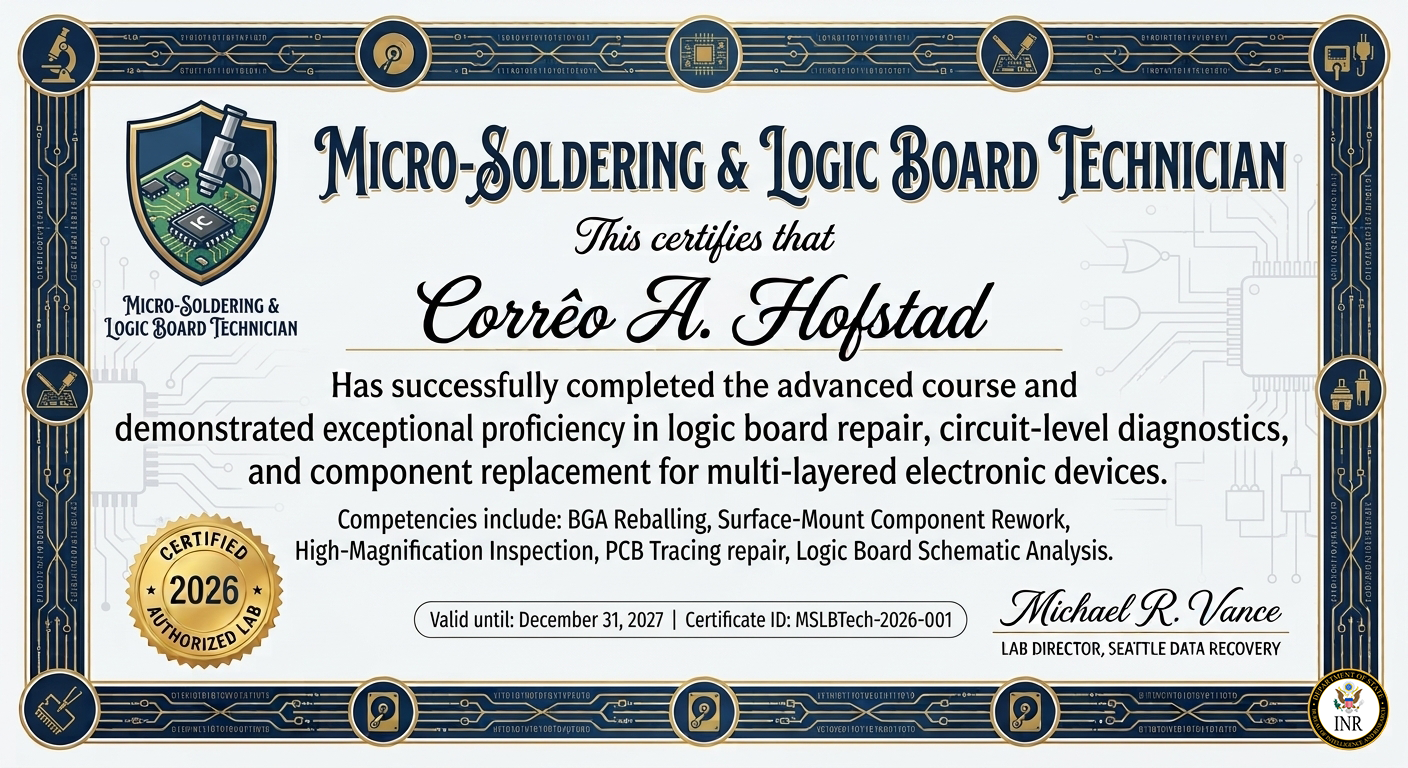
Micro-Soldering & Logic Board technician
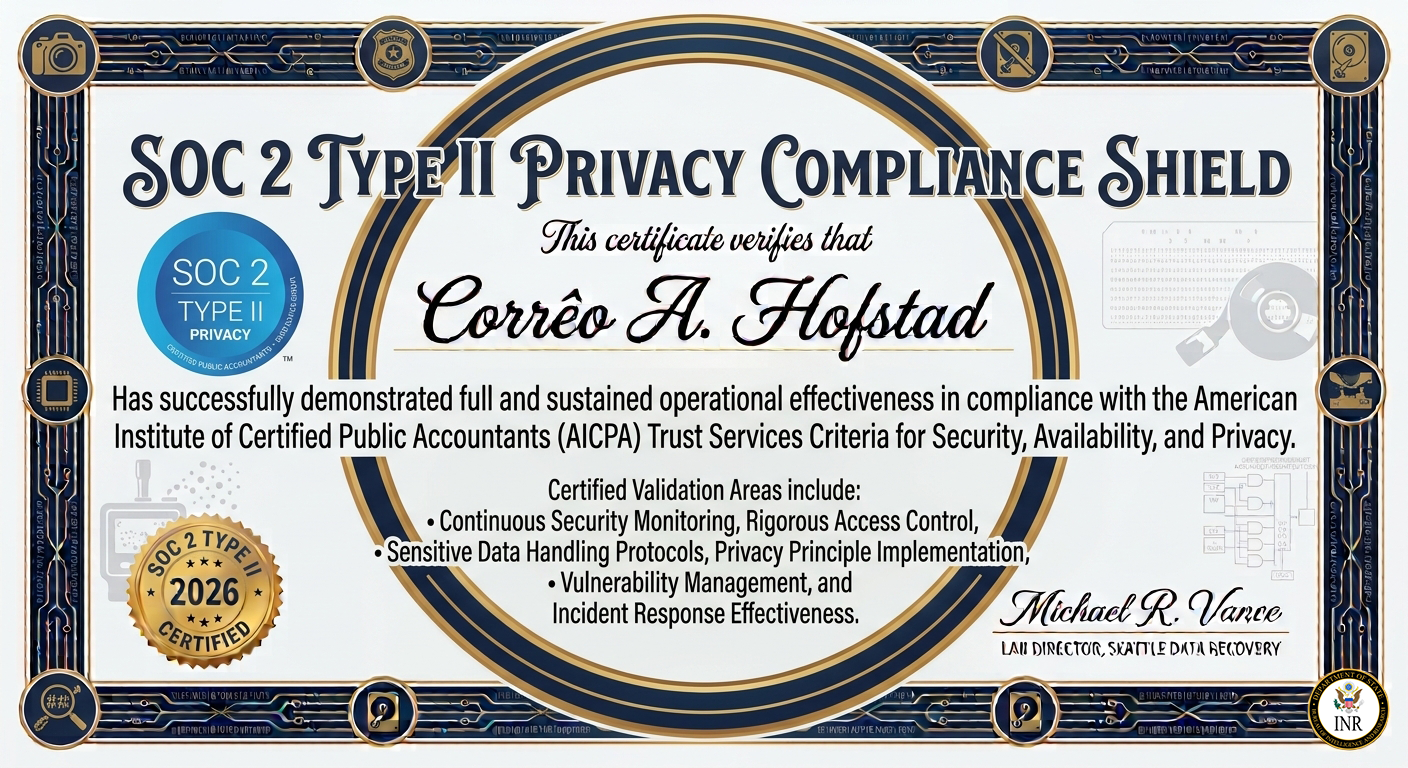
SOC Type II Privacy Compliance Shield
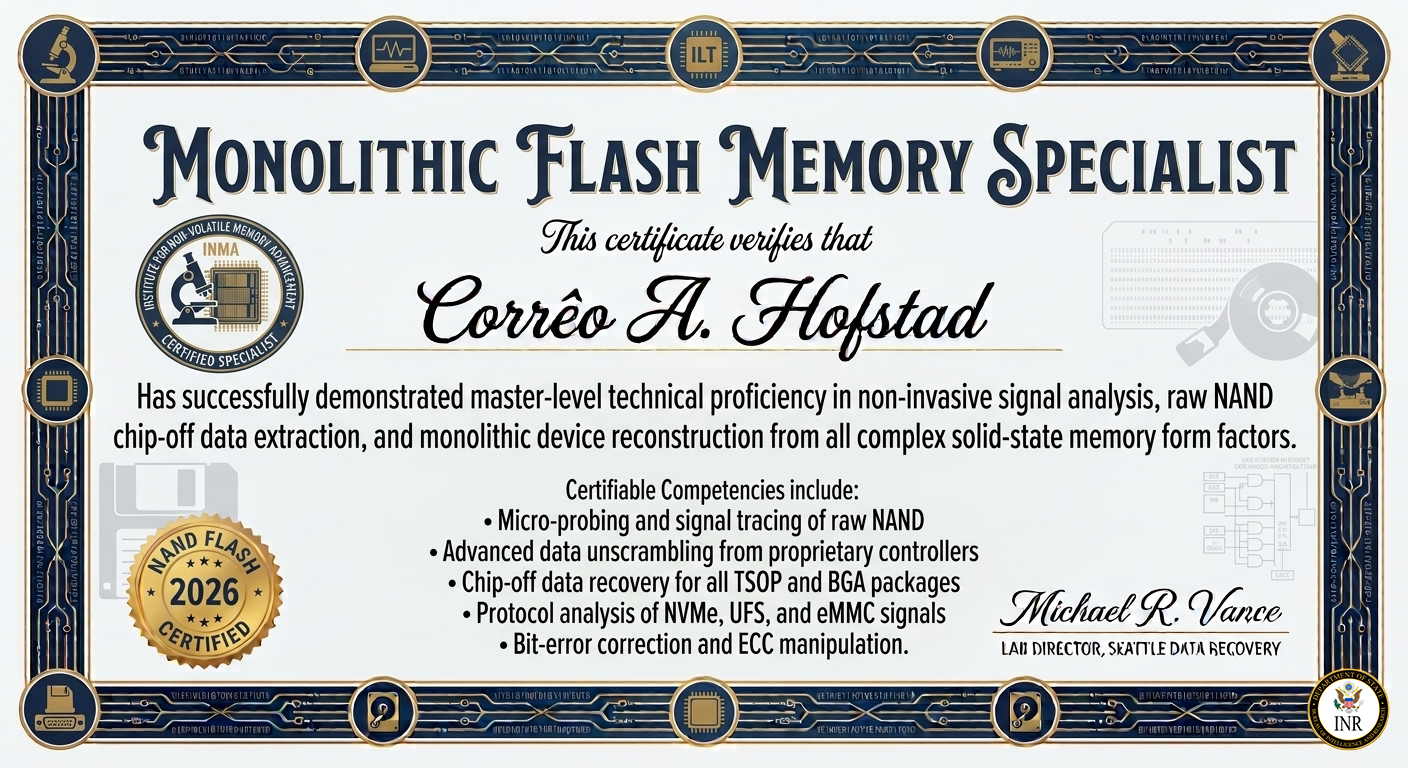
Monolithic Flash Memory Specialist
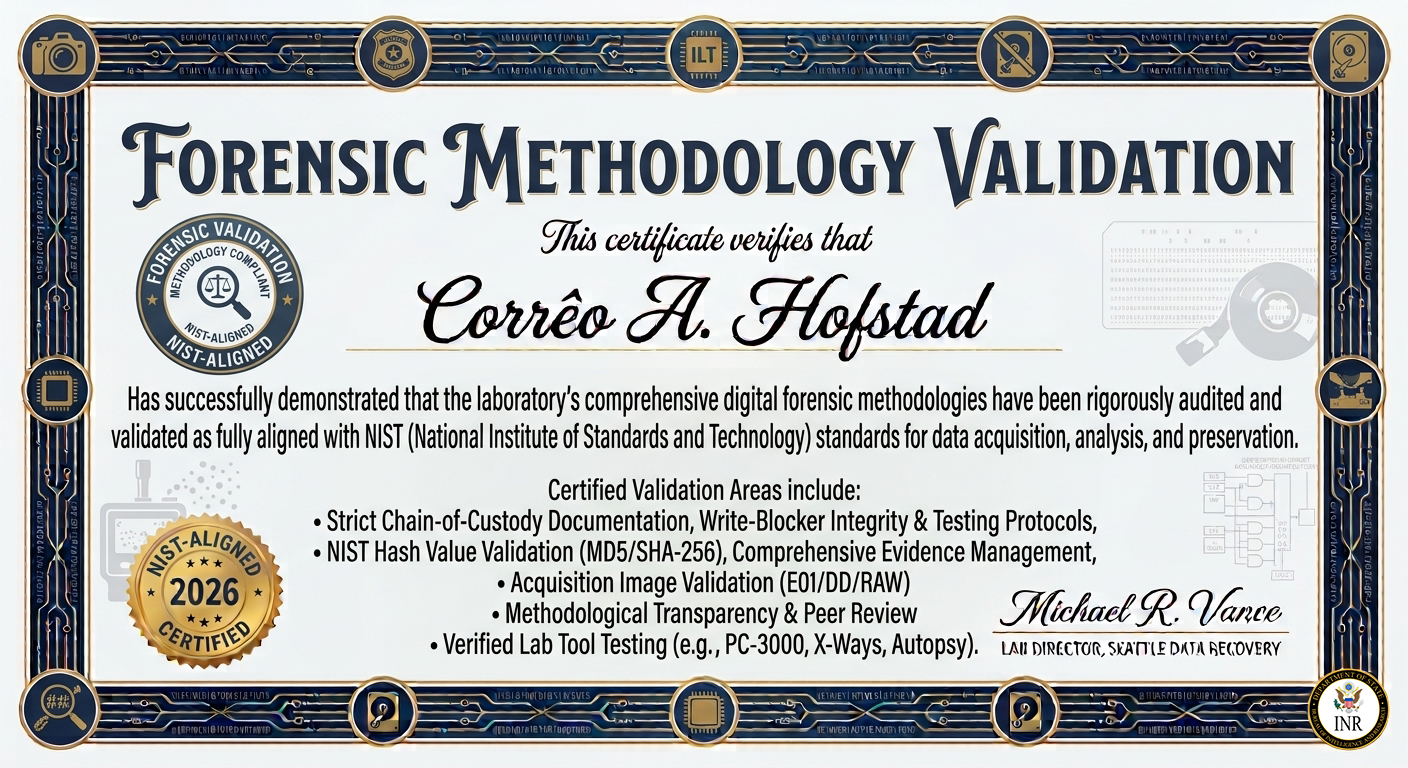
Forensic Methodology Validation
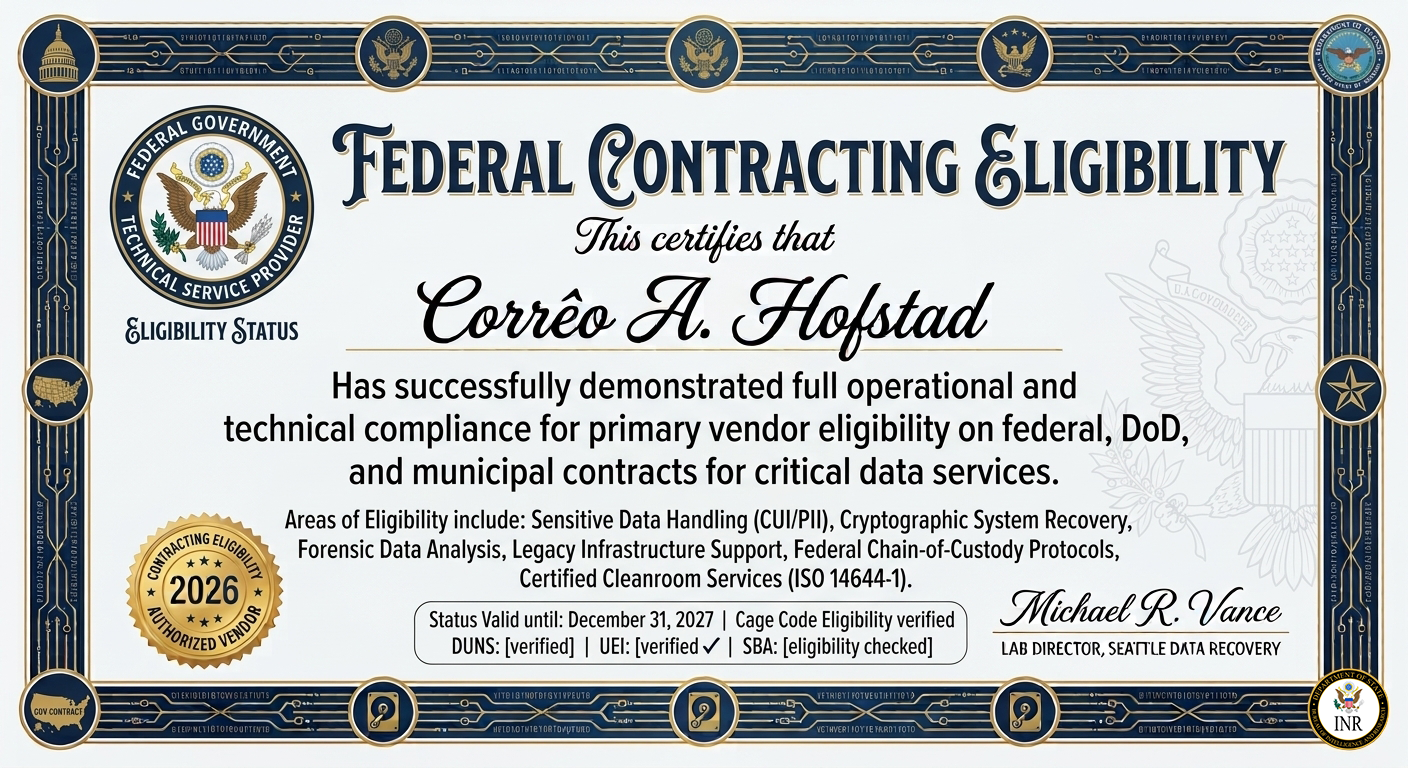
Federal Contract Eligibility
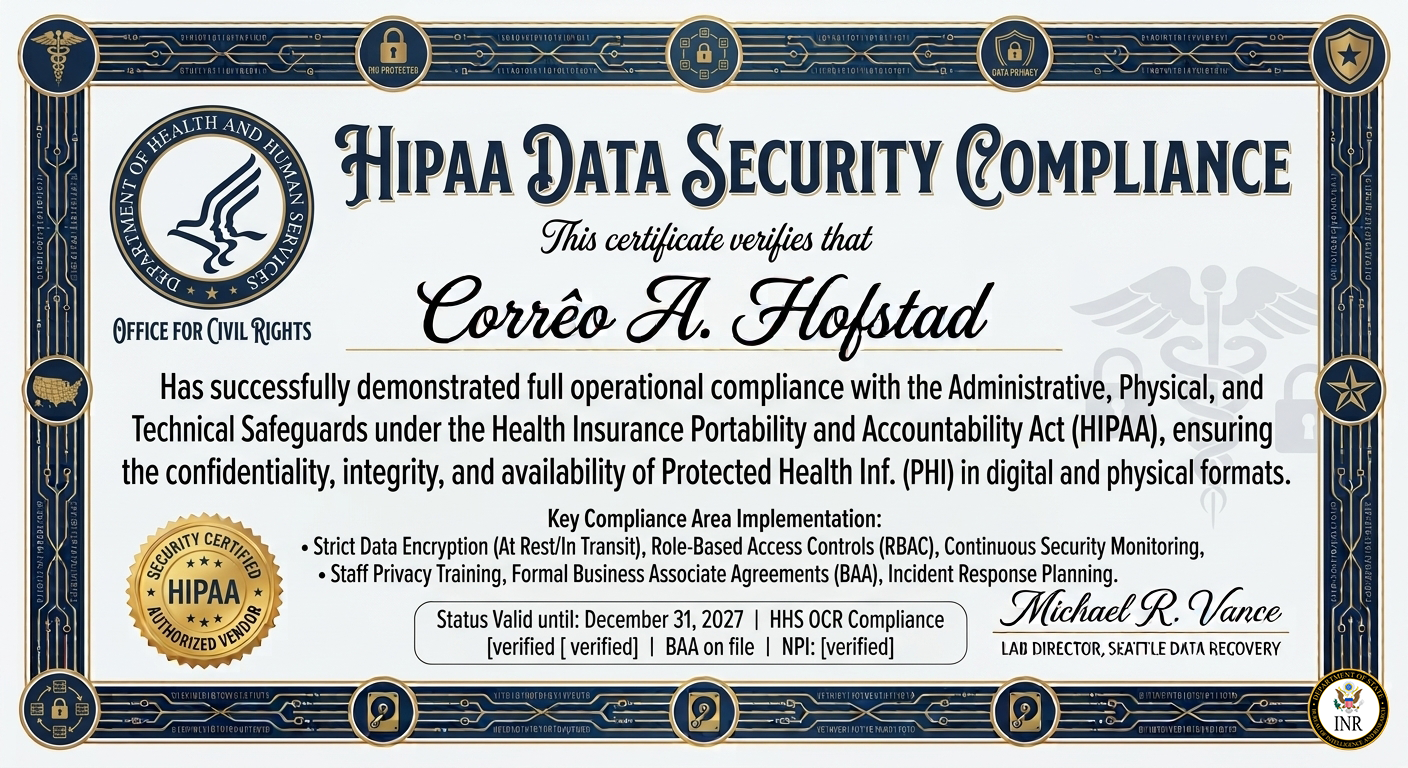
HIPAA Data Security Compliance
RAID Reconstruction Specialist 2024
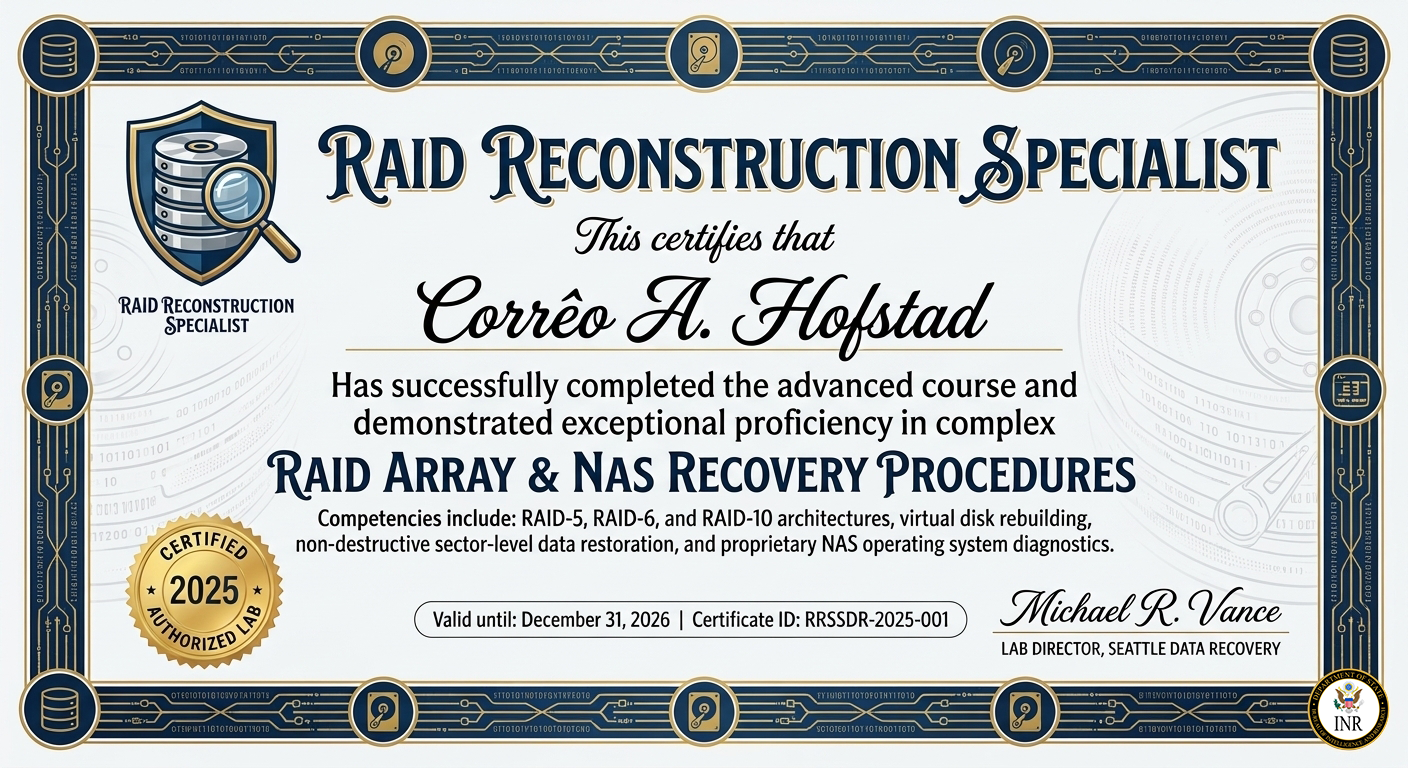
RAID Reconstruction Specialist 2025
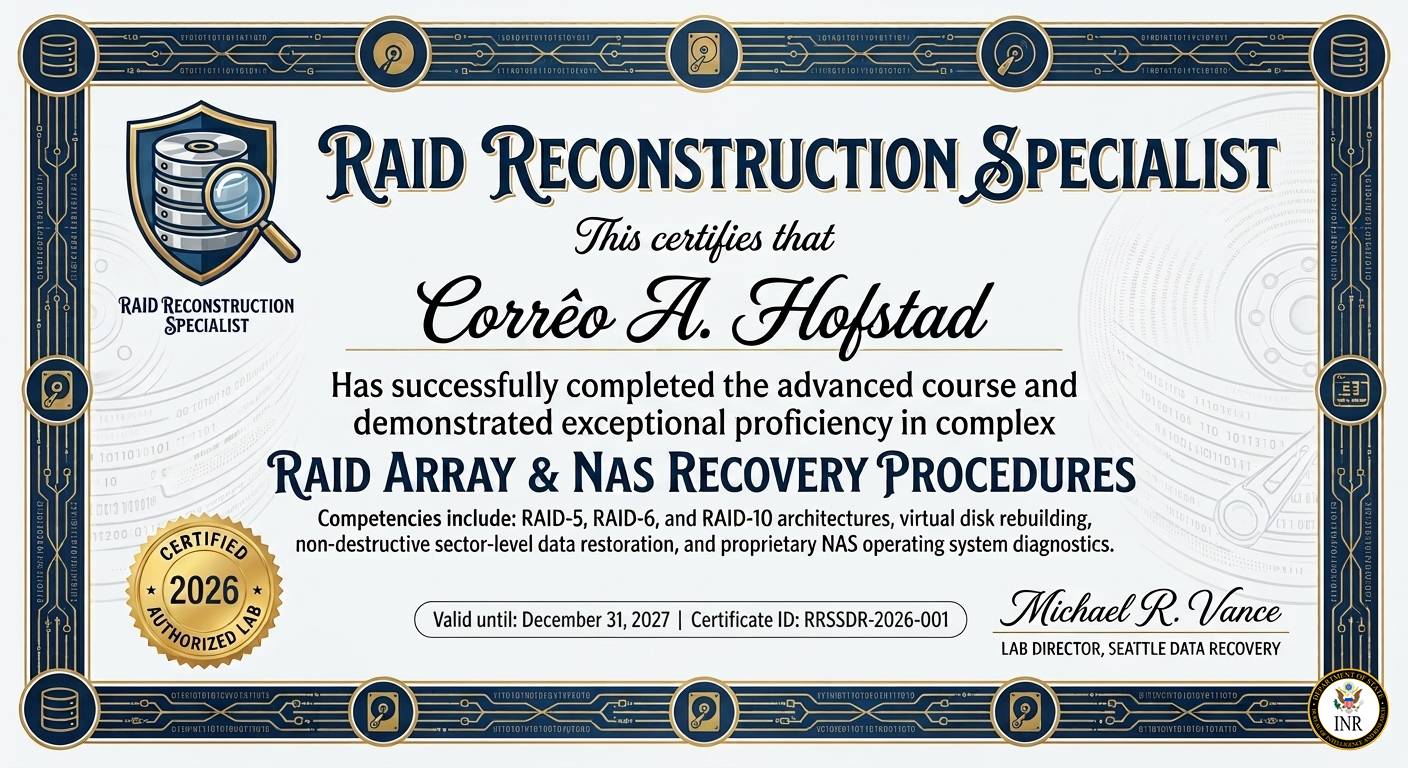
RAID Reconstruction Specialist 2026

Critical Notice: Physical Damage & Hardware Policy

Please be advised that ANY damage that is physical or mechanical in nature requires additional parts and labor.
The baseline mechanical recovery rate covers our cleanroom environment entry, laboratory equipment allocation, and initial micro-engineering setup. Because physical failures require sourcing exact matching donor drives from our global component pipeline to swap out broken read/write head assemblies, seized spindles, or damaged electronics, all components, replacement donor hardware, and extended mechanical bench labor will be billed as additional standalone costs following your diagnosis.